Axiora Medical
Axiora Medical
Axiora Medical
The global sports medicine landscape is witnessing a seismic shift toward minimally invasive joint preservation techniques. Among these, arthroscopic meniscal repair stands as a clinical cornerstone. Historically treated with partial or total meniscectomies—which frequently led to long-term osteoarthritis—meniscal damage is now overwhelmingly addressed via anatomical preservation. This clinical pivot has fueled a surging demand for specialized meniscal repair devices, including All-Inside systems, Inside-Out/Outside-In suture configurations, and bioabsorbable meniscus anchors.
As healthcare systems worldwide target cost-efficiency without compromising clinical outcomes, medical device brands, distributors, and hospital procurement departments are increasingly looking to China's advanced manufacturing hubs. China has transitioned from a basic high-volume manufacturing exporter to an epicenter of precision medical engineering, certified under ISO 13485 and conforming to global regulatory regimes like CE MDR and FDA 510(k). This whitepaper explores the clinical, technical, and supply chain paradigms of sourcing meniscal repair systems and related orthopedic implants directly from China's leading OEM/ODM factories.
Modern sports medicine demands high versatility in surgical approaches. Meniscal repair systems are categorized based on their deployment mechanisms and the zone of the tear (Red-Red zone, Red-White zone, or White-White zone):
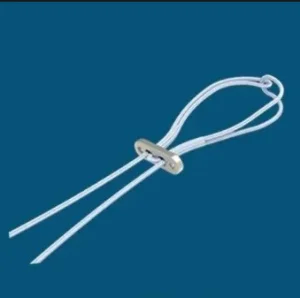
Primarily designed for posterior and middle third tears, All-Inside systems (such as double-anchor, suture-based implants) eliminate the need for secondary incisions. They leverage small, high-strength PEEK (Polyether ether ketone) or PLA/PLDLA bioabsorbable anchors pre-loaded with ultra-high molecular weight polyethylene (UHMWPE) non-absorbable sutures. Key design requirements include micro-scale dimensional accuracy (tolerances within ±0.01mm) and low-profile anchor footprints to prevent cartilage abrasion.
Ideal for anterior and middle horn tears. These rely on high-precision stainless steel or nitinol needle guides and high-tensile sutures. The manufacturing of these needles requires exceptional ductility and tensile strength to navigate the tight joint spaces of the knee without breaking or permanently deforming.
The selection of raw materials dictates the clinical performance of the device. High-grade medical implants leverage either bioabsorbable polymers that degrade predictably over 12–24 months, or inert, high-strength PEEK and Titanium Grade 5 (Ti-6Al-4V ELI) that remain permanently integrated, offering immediate mechanical stability.
Axiora Medical Technology (China) Co., Ltd. is a professional manufacturer specializing in the research, development, production, and global supply of high-quality orthopedic implants and surgical instruments. Our product portfolio covers trauma fixation systems, spinal implants, joint reconstruction solutions, sports medicine products, and related orthopedic surgical instruments.
Established with a commitment to innovation and precision manufacturing, Axiora integrates advanced CNC machining, automated production lines, and strict quality management systems to deliver reliable products that meet international standards. Our experienced engineering team continuously develops innovative solutions to support surgeons and healthcare providers worldwide.
With strong OEM and ODM capabilities, we provide customized manufacturing services according to customers' drawings, samples, and technical requirements. From product design and prototyping to mass production and packaging, our integrated manufacturing process ensures consistent quality, competitive pricing, and on-time delivery.
Today, Axiora exports its orthopedic products to customers across Europe, North America, South America, the Middle East, Southeast Asia, and Africa, building long-term partnerships with medical device distributors, brand owners, hospitals, and healthcare organizations around the world.
| Item | Details |
|---|---|
| Company Name | Axiora Medical Technology (China) Co., Ltd. |
| Brand | Axiora |
| Website | www.axioraortho.com |
| Established | 2017 |
| Factory Area | 18,600 m² |
| Annual Export Revenue | USD 26 Million |
| Export Experience | 8 Years |
| Industry Experience | 15 Years |
| Quality Inspection | 100% Finished Product Inspection & Incoming Material Inspection |
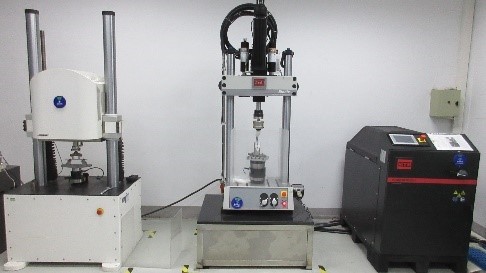
| Product Inspection Methods | Coordinate Measuring Machine (CMM), Tensile Testing, Hardness Testing, Surface Roughness Inspection, Salt Spray Testing |
| Quality Control Staff | 48 |
| Business Type | Manufacturer & Exporter (OEM/ODM) |
| Main Markets | Europe, North America, Middle East, Southeast Asia, South America |
| Supply Chain Partners | 1,120 |
| Main Customer Types | Medical Device Brands, Importers, Distributors, Hospitals, Government Procurement Projects |
| R&D Capability | Independent Product Development, Reverse Engineering, OEM & ODM Solutions |
| Customization Options | Logo Printing, Private Label, Custom Packaging, Product Design, Material Selection, Drawing-Based Manufacturing |
| New Products Released Last Year | 126 |
| R&D Engineers | 86 |
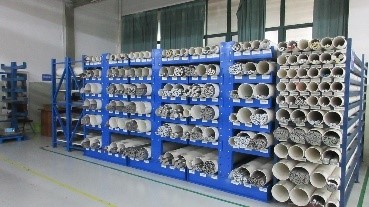
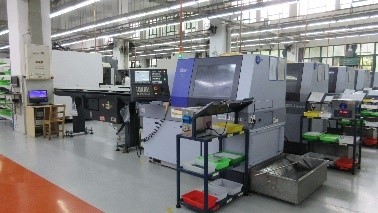
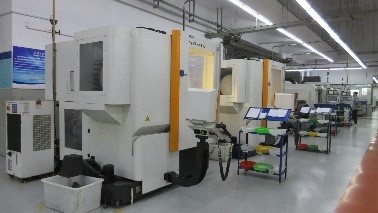
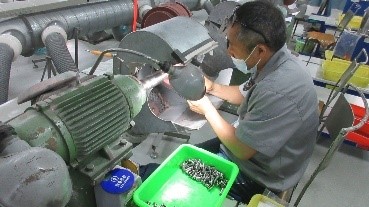
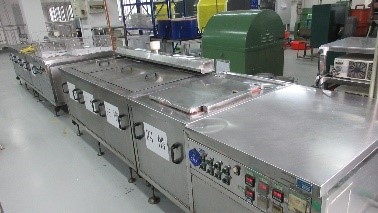
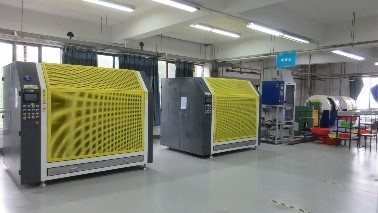
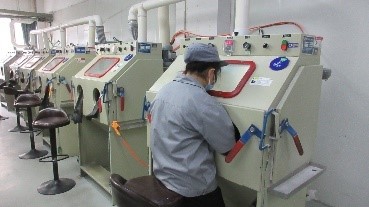
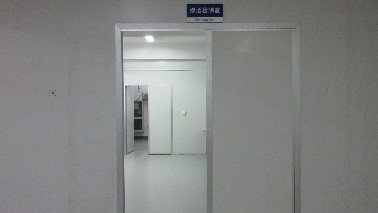
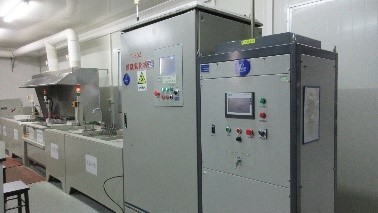
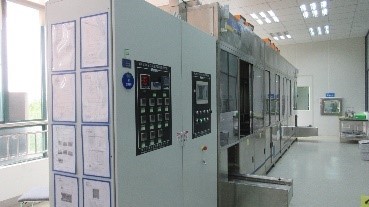
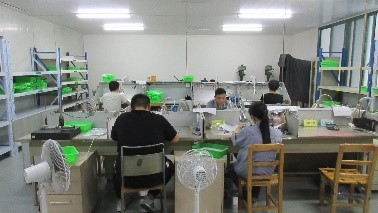
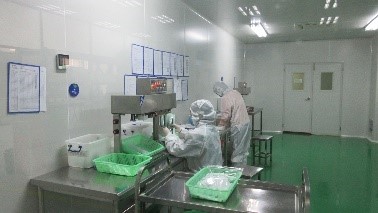
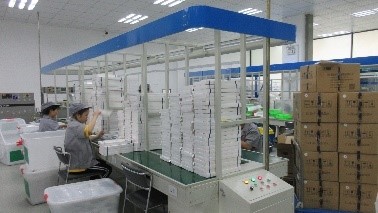
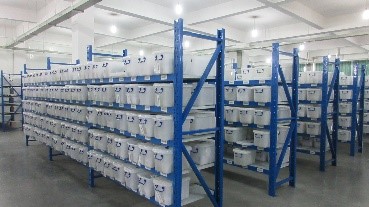
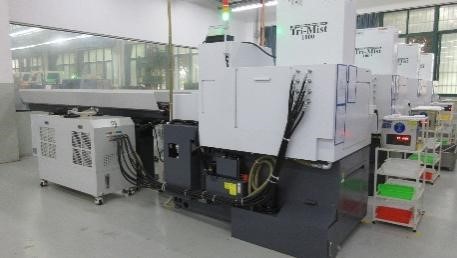
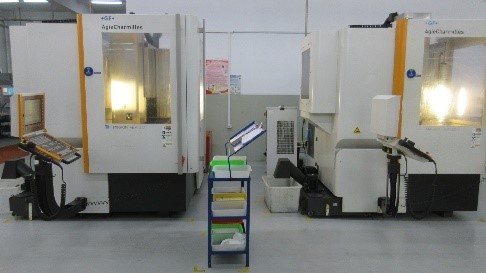
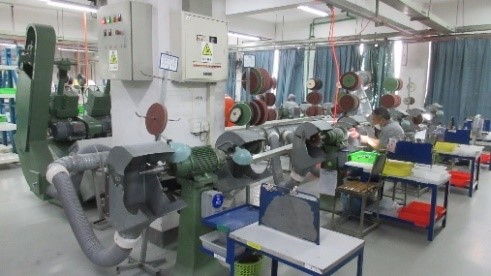
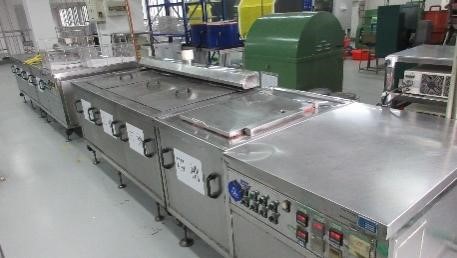
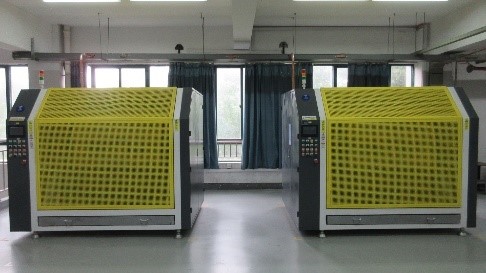
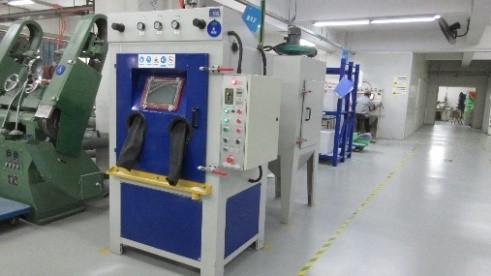
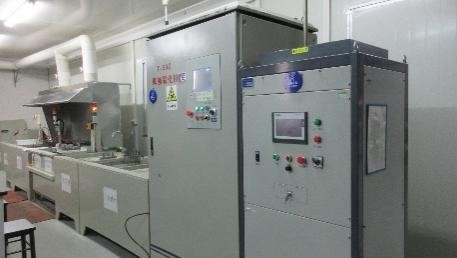
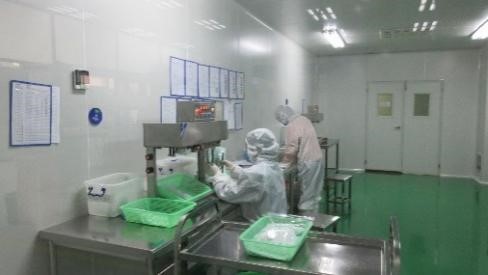
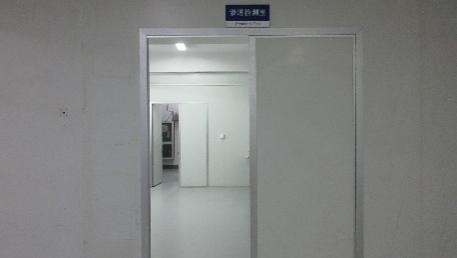
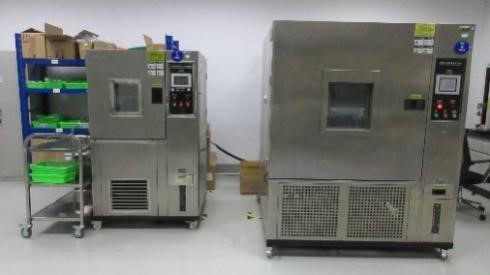
Our 18,600 m² facility utilizes advanced machinery and strict quality checks at every step of manufacturing, ensuring compliance with global implant standards.
Collaborating with a premier Chinese medical device manufacturer like Axiora yields systemic advantages for global distributors and brand owners. These advantages span from early-stage material science R&D to downstream localized regulatory compliance support.
Quality begins with raw materials. Chinese factories are deeply integrated with global material giants to source medical-grade Titanium Alloy (Ti-6Al-4V ELI), PEEK-Optima, and Ultra-High Molecular Weight Polyethylene (UHMWPE) sutures. Full material certificate traceability (MTR) is provided for each batch of implants, satisfying strict audit trials in both Europe (CE MDR) and the United States (FDA QSR).
The manufacturing flow of meniscal repair systems requires highly sophisticated machinery. As illustrated in Axiora's facilities, longitudinal cutting lathes and 5-axis CNC machining centers are used to sculpt complex anchor profiles. Our cleaning lines incorporate multi-stage ultrasonic washing to achieve extremely low bioburden levels before products enter the class 10,000 (ISO Class 7) aseptic packaging rooms. The surface properties of titanium implants are optimized using micro-sandblasting and electrochemical anodization for enhanced osteointegration and clear size/model categorization during surgery.
With an annual R&D output of over 120 new products and a dedicated engineering staff of 86 professionals, Chinese factories excel at reverse engineering and custom drawing-based modifications. Sourcing teams can quickly request prototype adjustments to adapt suture eyelets, anchor angles, or custom insertion gun handles, reducing time-to-market compared to Western contract manufacturers.
When purchasing meniscal repair systems and arthroscopic tools at a wholesale scale, global medical buyers must navigate complex regional dynamics. Strategic planning is crucial to prevent customs bottlenecks, clinical rejections, or post-market performance failures.
1. UDI and Traceability Compliance: Both the FDA and European Commission mandate Unique Device Identification (UDI) barcodes on packaging. When choosing a Chinese factory, confirm they support GS1 barcoding systems to enable smooth hospital integration and post-market tracking.
2. Localized Sterile Barrier Packaging: Depending on the distribution territory, implants can be shipped sterile (Ethylene Oxide - EO, or Gamma irradiation) or non-sterile (requiring on-site hospital autoclave sterilization). Sourcing partners must verify the integrity of double-sterile barrier Tyvek packaging pouches, ensuring shelf-life stability of up to 5 years.
3. Biocompatibility Validation: Under ISO 10993, all implantable components of the meniscus anchor and UHMWPE suture must pass systematic cytotoxicity, sensitization, irritation, subchronic toxicity, and implantation testing. High-quality factories provide full ISO 10993 test reports to simplify local medical registry submissions.
Understanding the final clinical environments where these products are used helps optimize inventory selection and product configuration: