Axiora Medical
Axiora Medical
Axiora Medical
Advanced trauma fixation, spinal fusion, and sports medicine implant systems direct from CE/ISO certified production lines.
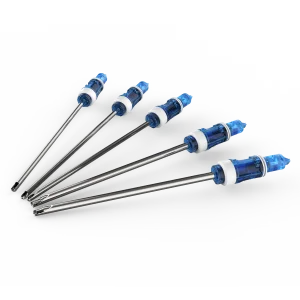
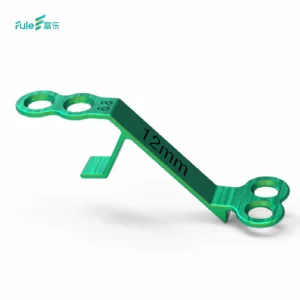
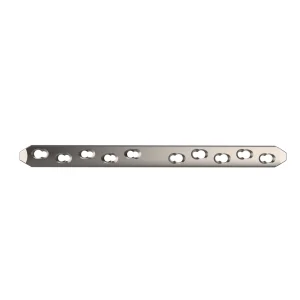
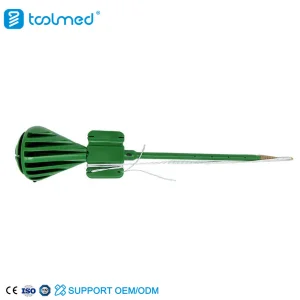
A Professional Orthopedic Surgery and Manufacturing Whitepaper
The global market for spinal fusion procedures has experienced rapid growth, driven by a rising elderly demographic, increasing instances of degenerative disc diseases, and advancements in minimally invasive spine surgery (MISS). At the core of these structural interventions lies the Polyaxial Pedicle Screw, a marvel of bio-mechanical engineering that allows multi-planar angulation of the screw relative to the rod. This variable angulation capability simplifies rod placement, accommodates complex anatomical variations, and reduces stress concentration at the bone-screw interface.
Historically, spinal fixation relied on monoaxial screws, which presented extreme challenges during instrumentation, particularly in highly curved spinal segments. The development of polyaxial pedicle screws revolutionized surgical workflows. The multi-directional movement of the screw head (typically up to 40 degrees of conical range) ensures that surgeons can achieve optimal sagittal alignment while maintaining a solid structural anchor. As global healthcare costs escalate, medical device brand owners and hospitals increasingly source these critical components from premier manufacturing centers in China to achieve an optimal balance between quality and cost.
Fabricated from Medical Grade Titanium Alloy (Ti-6Al-4V ELI / ASTM F136). Provides superb biocompatibility, unmatched fatigue strength, and compatible MRI imaging characteristics.
Engineered locking head mechanics allow continuous spherical angulation up to 40 degrees. Reduces the need for aggressive rod contouring and minimizes implant strain.
Optimized pitch depth transitioning from cortical to cancellous structures, enhancing purchase strength, torque control, and pull-out resistance inside bone pedicles.
Years of Industry Experience
R&D Engineering Specialists
Supply Chain Partners
Annual Export Value
Uncompromising Standards in Sourcing and Regulatory Compliance
From a clinical standpoint, polyaxial pedicle screws are utilized in a variety of spinal configurations, including deformity corrections (such as scoliosis and kyphosis), trauma stabilization, spondylolisthesis, degenerative spinal stenosis, and pseudoarthrosis. The mechanical failure of a pedicle screw is not just an implant issue; it represents a serious threat to patient health and may necessitate high-risk revision surgery. Consequently, global regulatory frameworks such as the European Medical Device Regulation (MDR 2017/745), US FDA 510(k), and national NMPA regulations mandate rigorous quality validation.
Chinese manufacturers have historically transitioned from low-cost providers to global leaders in clinical manufacturing technology. This change has occurred because tier-one producers in China consistently invest in state-of-the-art Swiss-type longitudinal cutting lathes, multi-axis CNC machines, and fully automated sterile packaging environments. By partnering with leading raw material suppliers, facilities verify the microstructure and chemical consistency of titanium batches prior to machining. This level of vertical integration ensures that wholesale procurement is not a compromise on safety, but a optimization of capital efficiency.
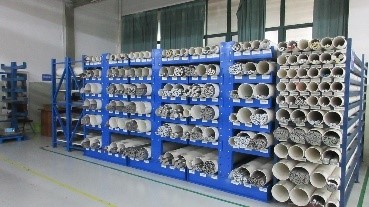
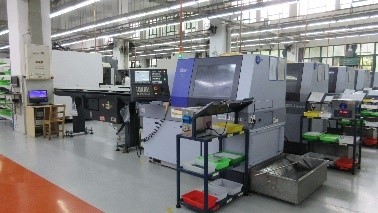
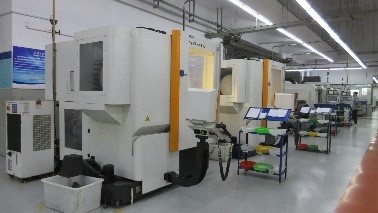
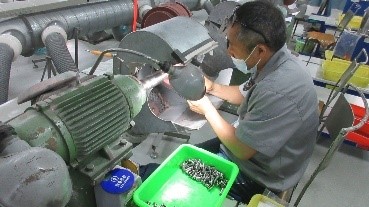
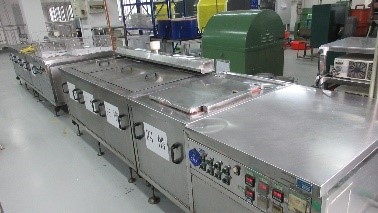
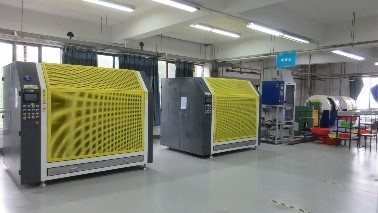
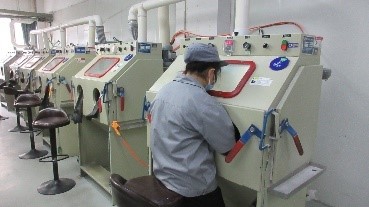
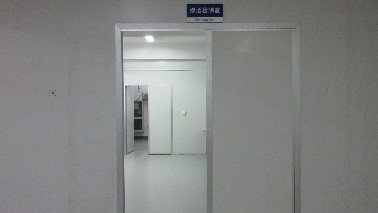
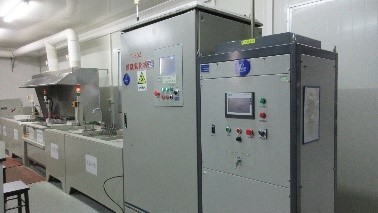
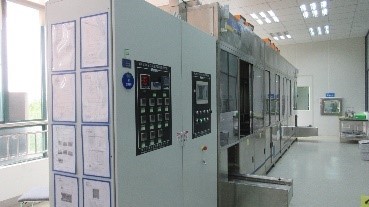
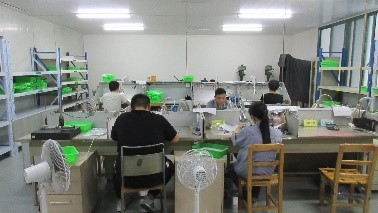
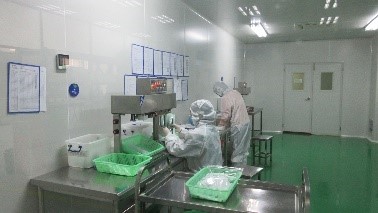
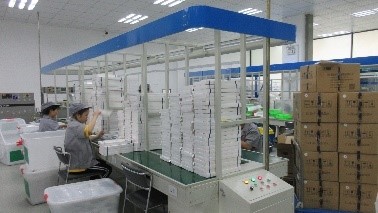
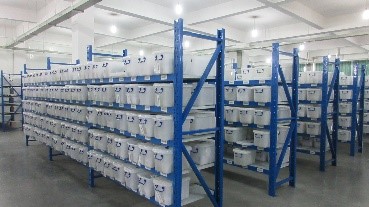
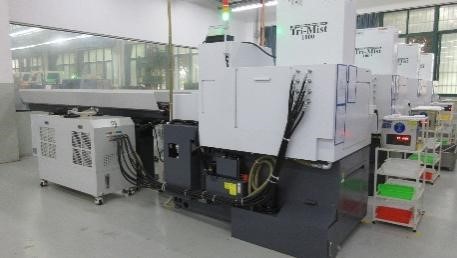
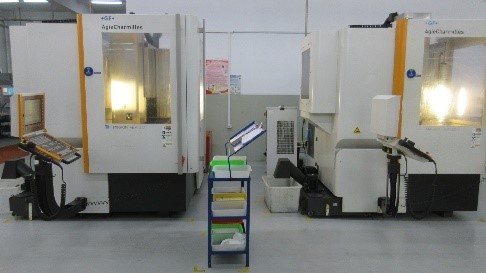
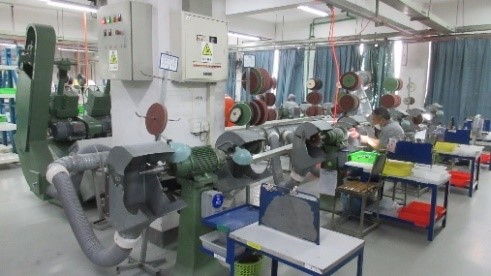
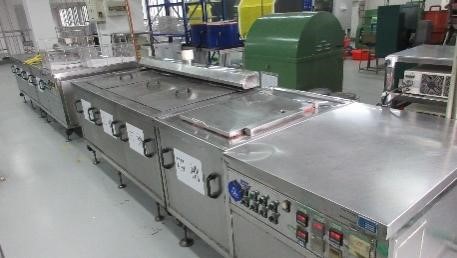
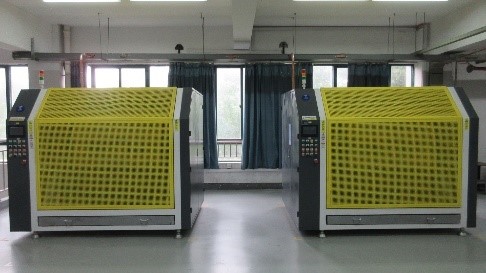
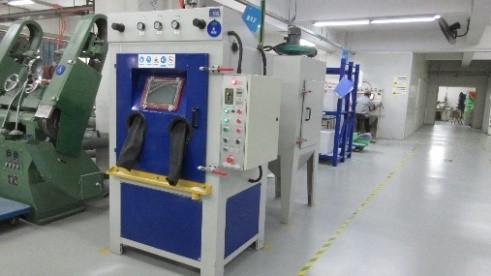
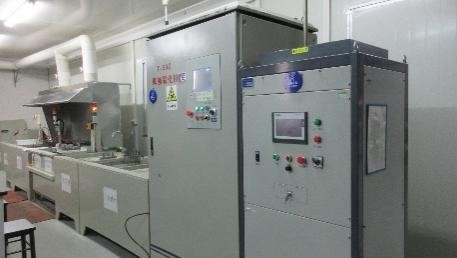
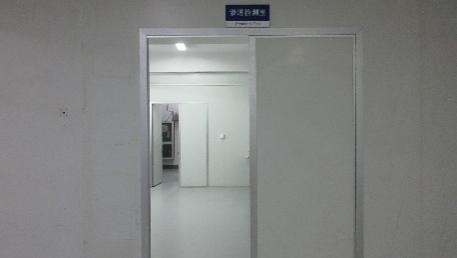
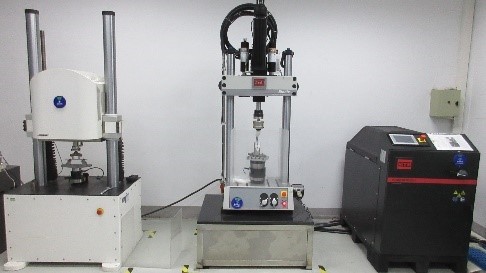
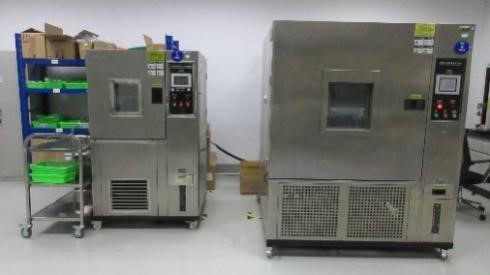
Axiora Medical Technology (China) Co., Ltd. — Setting Standards in Precision Spine Systems
Axiora Medical Technology (China) Co., Ltd. is a leading manufacturer specializing in the research, development, and global supply of orthopedic implants and surgical instruments. Our product lines cover trauma fixation, spine stabilization systems, joint revision tools, and sports medicine accessories.
By using Swiss-type CNC lathes and automated testing equipment, Axiora maintains a manufacturing system certified to ISO 13485 and CE standards. Our facility has a 100% finished product inspection rate. This rigorous approach supports medical distributors and procurement projects across Europe, North America, the Middle East, and beyond.
| Inspection & Factory Specifications | Detail and Metrics |
|---|---|
| Company Name | Axiora Medical Technology (China) Co., Ltd. |
| Established Year & Industry Tenancy | Established 2017 | 15 Years Industry Experience | 8 Years Export Experience |
| Total Production Space | 18,600 m² clean workshop environments |
| Annual Export Revenue | USD 26 Million |
| Quality Inspection & Testing Methods | Coordinate Measuring Machine (CMM), Tensile Testing, Hardness Testing, Surface Roughness Inspection, Salt Spray Testing, Penetrant Testing |
| Quality Personnel & R&D Engineers | 48 Quality Inspectors | 86 Dedicated R&D Engineers |
| Customization Capabilities | Full OEM/ODM support, CAD/CAM reverse engineering, custom packaging, laser etching, private labeling |
| New Product Pipeline | 126 new implants/instruments launched in the last 12 months |
Exploring the next generation of spinal instrumentation
The field of spinal instrumentation is shifting toward smart implants, customized biologics, and automated, image-guided navigation systems. Key developments in our engineering pipeline include:
Essential insights for hospital buyers, regulatory officers, and procurement managers
Explore our catalog of certified spinal plates, fixation screws, and trauma surgery instruments.