Axiora Medical
Axiora Medical
Axiora Medical
Advanced trauma fixation, veterinary systems, and specialized retractor instruments engineered for precision.
A comprehensive analysis of biomaterial engineering, global supply metrics, and clinical applications.
Modern sports medicine relies heavily on fixation devices that integrate seamlessly with the patient's physiology over time. The transition from metallic suture anchors (which remain permanently in the host tissue and may cause imaging artifacts or necessitate secondary removal surgeries) to polymeric biocomposites marks a paradigm shift. Bioabsorbable suture anchors are fabricated using aliphatic polyesters, primarily Poly-L-lactic acid (PLLA), Polylactic-co-glycolic acid (PLGA), and composite blends containing osteoconductive ceramics like beta-Tricalcium Phosphate (β-TCP) or Hydroxyapatite (HA).
By incorporating osteoconductive elements like β-TCP (typically 15% to 30% by weight), the biocomposite anchor encourages cellular attachment and bony ingrowth into the implant site. As the polymer matrix resorbs, bone replaces the void space, preventing the localized osteolysis or "empty hole" syndrome frequently associated with pure PLLA implants.
Procuring Class III medical implants requires stringent attention to regulatory compliance and material purity. Procurement directors from multinational orthopedic brands, regional distributors, and sovereign health agencies prioritize suppliers that offer full documentation portfolios (DHF/DMR). Axiora Medical provides ISO 13485-certified manufacturing protocols, supporting applications for FDA 510(k), CE MDR compliance, and domestic registrations worldwide.
Key risk areas in supply chain management for bioabsorbable implants include material contamination, consistency of molecular weight distribution, and sterilization validation (Gamma radiation vs. Ethylene Oxide). Ethylene oxide (EtO) sterilization remains the industry standard for PLGA/PLLA implants to prevent thermal degradation of the polymer structure while guaranteeing a Sterility Assurance Level (SAL) of 10-6.
As a leading custom OEM bioabsorbable suture anchor manufacturer, Axiora operates a modern 18,600 m² facility utilizing advanced manufacturing processes. By implementing Industry 4.0 principles, we ensure that raw material sourcing, automated machining, and cleanroom packaging conform to international standards.
Our facility houses high-precision CNC Swiss-type lathes and high-speed milling centers to execute complex anchor designs (helical geometries, thread-in configurations, and knotless deployment mechanisms). Precision tolerances down to ±5 microns are achieved, preserving the structural integrity of the polymer thread channels to prevent suture shear during surgical knot-tying.
In global orthopedic and sports medicine markets, requirements vary between regions based on surgical preferences and demographic trends:
From a clinical standpoint, bioabsorbable suture anchors are tailored for specific anatomic regions, including shoulder labrum fixation (Bankart and SLAP lesions), rotator cuff reconstruction, hip labral repairs, and foot/ankle tendon reattachment. Achieving optimal pull-out strength is dependent on matching the anchor’s major and minor thread diameters to the specific bone mineral density of the patient population.
100% finished product inspection using advanced CMM, tensile testing, and chemical analysis inside our controlled facilities.
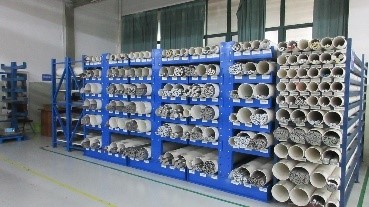
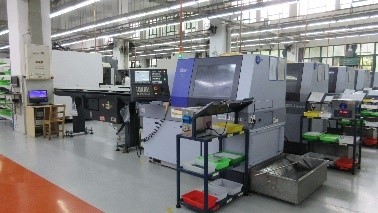
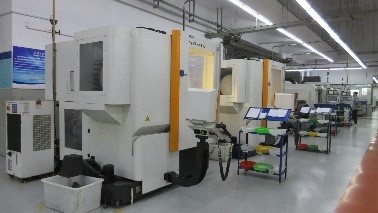
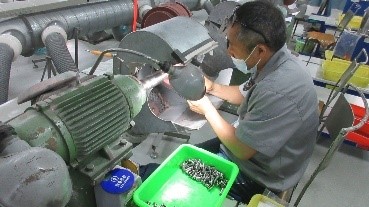
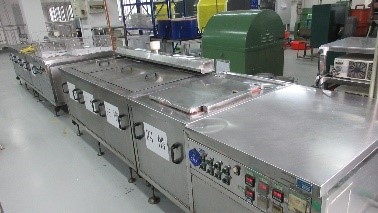
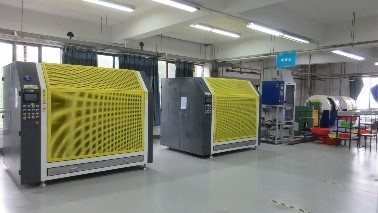
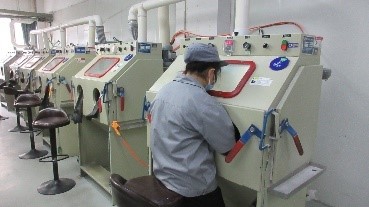
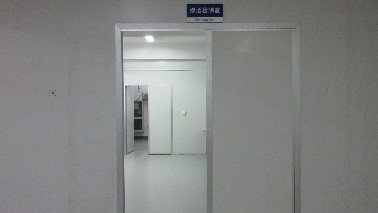
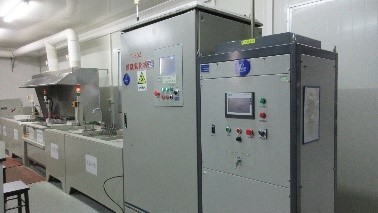
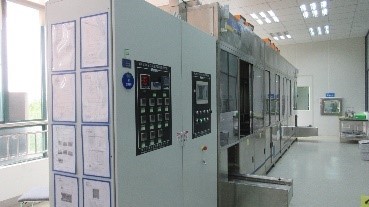
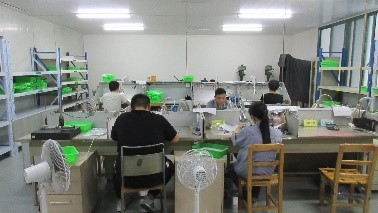
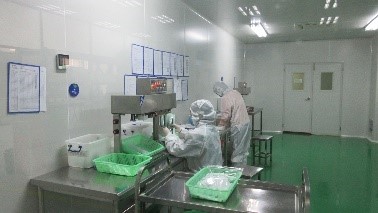
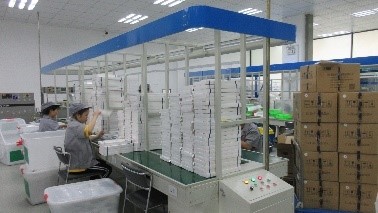
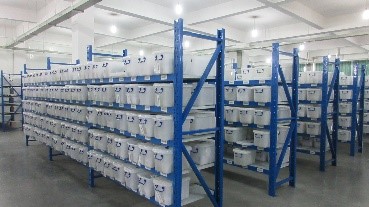
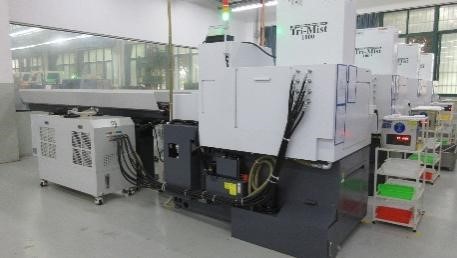
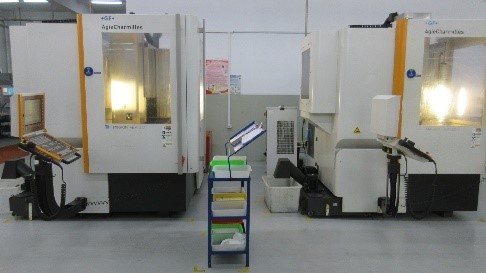
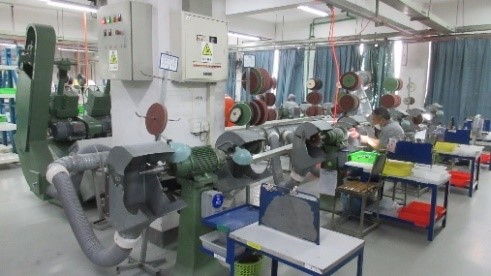
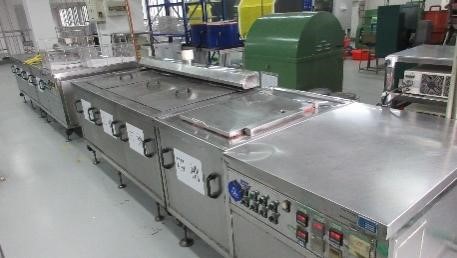
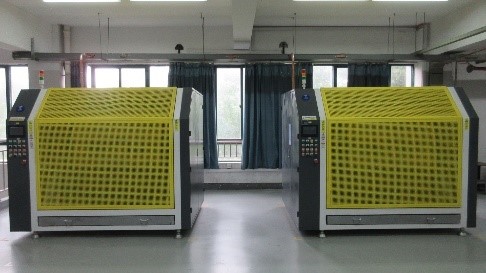
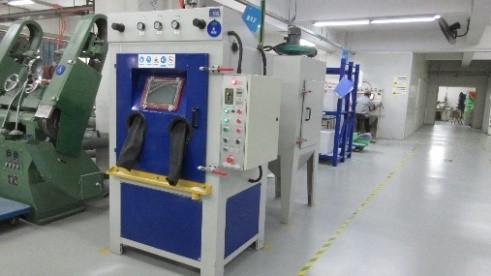
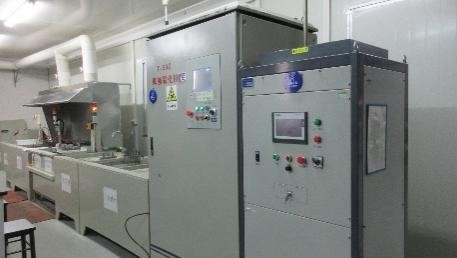
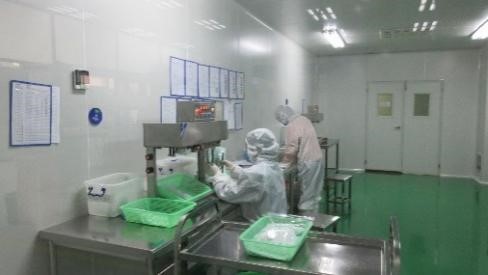
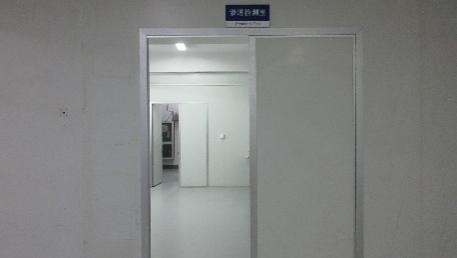
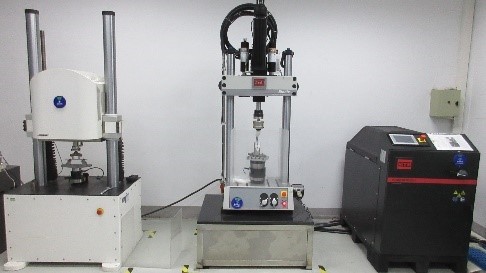
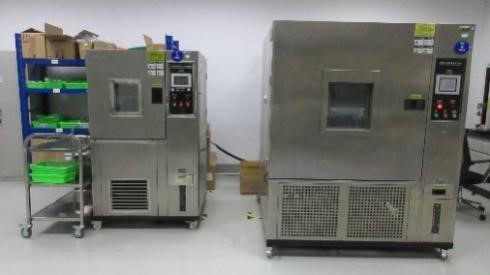
A global OEM/ODM orthopedic manufacturer bridging the gap between precision and efficiency.
Axiora Medical Technology (China) Co., Ltd. is a professional manufacturer specializing in the research, development, production, and global supply of high-quality orthopedic implants and surgical instruments. Our product portfolio covers trauma fixation systems, spinal implants, joint reconstruction solutions, sports medicine products, and related orthopedic surgical instruments.
| Corporate Metric | Operational Specifications |
|---|---|
| Company Name | Axiora Medical Technology (China) Co., Ltd. |
| Brand Name & IP | Axiora (Registered Trademark) |
| Official Domain | www.axioraortho.com |
| Year Established | 2017 |
| Industrial Footprint | 18,600 m² State-of-the-Art Production Facility |
| Annualized Export Value | USD 26 Million |
| Export Track Record | 8 Years of Continuous International Compliance |
| Industrial Domain Depth | 15 Years of Engineering Legacy |
| Standard Quality Protocols | 100% In-Process and Outgoing Product Inspections (Incoming Material Certification) |
| Analytical Inspection Suite | Coordinate Measuring Machine (CMM), Tensile Testing, Hardness Testing, Surface Roughness Profilometry, Salt Spray Environment Simulation |
| Quality Assurance Workforce | 48 Certified QC Auditors & Engineers |
| Primary Business Model | Advanced OEM & ODM Design-to-Spec Medical Implants Exporter |
| Key Regional Markets | Europe, North America, Middle East, Southeast Asia, South America |
| Supply Chain Integration | 1,120 Verified Partners across the Ecosystem |
| Core Client Profiles | Medical Device Brands, Importers, Distributors, Hospitals, Government Tenders |
| R&D Core Capabilities | Independent Product Development, Reverse Engineering, OEM & ODM Customization |
| Customization Scope | Laser Etching, Private Labeling, Custom Sterilization Blisters, Material Modification |
| New Product Pipeline (YoY) | 126 Innovative Form Factors Introduced Last Year |
| Research & Design Engineering Staff | 86 Sports Medicine and Orthopedic Specialists |
Direct technical answers addressing chemical formulations, regulatory status, and OEM capacity limits.
Knotless anchors, high-durability shaver blades, bone drills, and clinical cutting attachments.