Axiora Medical
Axiora Medical
Axiora Medical
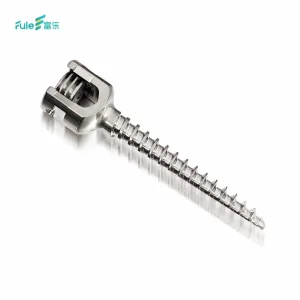
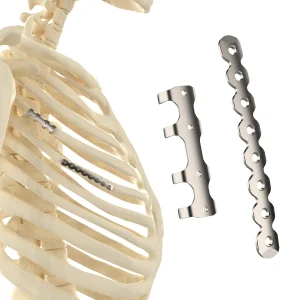
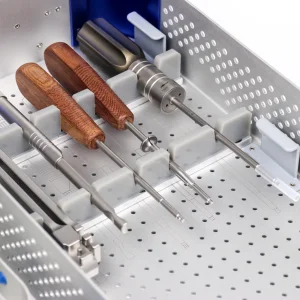
Unicompartmental Knee Arthroplasty (UKA), often referred to as partial knee replacement, has undergone a massive paradigm shift in the global orthopedic device sector. Traditionally reserved for a narrow patient demographic, modern surgical innovations and sophisticated material sciences have expanded its clinical indication spectrum. Today, UKA is widely recognized as a highly successful, minimally invasive alternative to Total Knee Arthroplasty (TKA) for patients suffering from unicondylar osteoarthritis or osteonecrosis of the knee joint.
From an industrial perspective, the global orthopedic joint replacement market is experiencing accelerated demand for partial knee systems. This growth is driven by multiple socio-economic and clinical factors:
UKA preserves the healthy compartments of the knee joint, including the cruciate ligaments (ACL and PCL), leading to more natural knee kinematics and faster post-operative rehabilitation compared to total joint replacements.
The global shift toward outpatient orthopedic surgeries has turned UKA into a key procedure. Its low complication rate and short hospital stay make it perfect for rapid discharge models, reducing direct healthcare costs.
Advances in UHMWPE (Ultra-High-Molecular-Weight Polyethylene) and highly cross-linked polyethylene (XLPE) blended with antioxidants like Vitamin E have dramatically lowered wear rates, leading to outstanding long-term implant survival rates.
Consequently, medical device brands and global distributors are seeking reliable OEM/ODM partners capable of delivering custom UKA systems. These systems must match the precise anatomical variations of different ethnic demographics while complying with rigorous international regulatory standards. Axiora Medical Technology (China) Co., Ltd. stands at the forefront of this manufacturing ecosystem, combining advanced manufacturing capabilities with premium orthopedic materials.
The application of Unicompartmental Knee Arthroplasty (UKA) systems varies across global healthcare systems due to local clinical guidelines, economic frameworks, and anatomical traits of regional populations. Understanding these localized factors is crucial for successful OEM product design and global supply chain positioning.
In North America and Western Europe, the rapid development of outpatient surgery centers dictates the configuration of UKA kits. Minimally invasive instrumentation is optimized for rapid set-up and easy sterilization. Modern designs feature single-use instrument options, streamlining workflow and cutting sterilization costs in outpatient settings. Axiora's OEM capability enables the fabrication of customized, compact instrument sets designed specifically for ASC environments, reducing the shipping footprint and overhead costs.
Clinical studies show significant differences in proximal tibial morphology and femoral condyle curvature between Asian and Western populations. Standard Western implants can cause mismatch issues like overhang or underhang, leading to soft-tissue irritation or premature subsidence. Furthermore, daily and cultural activities in the APAC region often require deep knee flexion (e.g., squatting, sitting cross-legged). Axiora addresses this by providing customized anatomical sizing models with high flexion designs for OEM clients, ensuring bone coverage and mechanical stability.
In regions such as Latin America, the Middle East, and Africa, public healthcare institutions require highly durable implants with competitive pricing to support large-scale procurement programs. Our high-efficiency production lines and robust raw material supply chains allow Axiora to manufacture premium-grade UKA components (Cobalt-Chromium-Molybdenum femoral components and Grade 23 Titanium alloy tibial trays) at prices that align with regional healthcare budgets, without compromising on quality or mechanical safety.
Orthopedic joint engineering is rapidly evolving toward digitalization, personalized medicine, and smart materials. Axiora aligns its R&D roadmap with these trends to keep our OEM partners competitive over the long term.
Utilizing 3D metal printing (Electron Beam Melting/Selective Laser Melting) to manufacture porous titanium structures on the bone-facing side of tibial implants, facilitating early osteointegration and cementless fixation.
Blending highly cross-linked polyethylene with Vitamin E (Alpha-tocopherol) to protect the bearing from long-term oxidation, preserving mechanical properties and extending wear resistance.
Integrating 3D modeling from pre-operative CT/MRI scans to fabricate patient-specific bone cutting blocks, helping surgeons achieve highly accurate implant alignment and placement.
Optimizing OEM implant geometries and tracking arrays to integrate with robotic-assisted surgery platforms, which improves accuracy and ensures consistent clinical outcomes.
Axiora's continuous investment in advanced technology ensures that our manufacturing facilities are ready to support your custom design requirements, whether you need traditional cemented fixed-bearing systems or cutting-edge, cementless mobile-bearing designs.
Axiora Medical Technology (China) Co., Ltd. is a professional manufacturer specializing in the research, development, production, and global supply of high-quality orthopedic implants and surgical instruments. Our product portfolio covers trauma fixation systems, spinal implants, joint reconstruction solutions, sports medicine products, and related orthopedic surgical instruments.
Established with a commitment to innovation and precision manufacturing, Axiora integrates advanced CNC machining, automated production lines, and strict quality management systems to deliver reliable products that meet international standards. Our experienced engineering team continuously develops innovative solutions to support surgeons and healthcare providers worldwide.
With strong OEM and ODM capabilities, we provide customized manufacturing services according to customers' drawings, samples, and technical requirements. From product design and prototyping to mass production and packaging, our integrated manufacturing process ensures consistent quality, competitive pricing, and on-time delivery.
Today, Axiora exports its orthopedic products to customers across Europe, North America, South America, the Middle East, Southeast Asia, and Africa, building long-term partnerships with medical device distributors, brand owners, hospitals, and healthcare organizations around the world.
| Operational & Quality Parameter | Specifications & Verified Details |
|---|---|
| Company Name | Axiora Medical Technology (China) Co., Ltd. |
| Brand | Axiora |
| Website | www.axioraortho.com |
| Established | 2017 |
| Factory Area | 18,600 m² |
| Annual Export Revenue | USD 26 Million |
| Export Experience | 8 Years |
| Industry Experience | 15 Years |
| Quality Inspection | 100% Finished Product Inspection & Incoming Material Inspection |
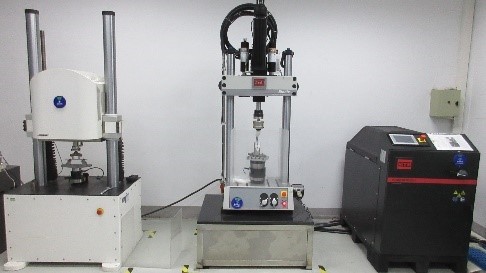
| Product Inspection Methods | Coordinate Measuring Machine (CMM), Tensile Testing, Hardness Testing, Surface Roughness Inspection, Salt Spray Testing |
| Quality Control Staff | 48 Dedicated Inspectors |
| Business Type | Manufacturer & Exporter (OEM/ODM) |
| Main Markets | Europe, North America, Middle East, Southeast Asia, South America |
| Supply Chain Partners | 1,120 Globally Contracted Partners |
| Main Customer Types | Medical Device Brands, Importers, Distributors, Hospitals, Government Procurement Projects |
| R&D Capability | Independent Product Development, Reverse Engineering, OEM & ODM Solutions |
| Customization Options | Logo Printing, Private Label, Custom Packaging, Product Design, Material Selection, Drawing-Based Manufacturing |
| New Products Released Last Year | 126 Innovative Systems |
| R&D Engineers | 86 Engineers |
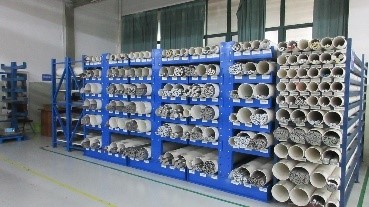
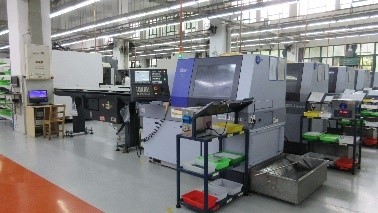
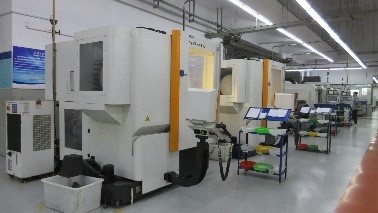
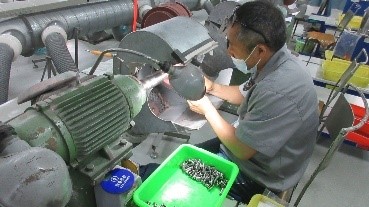
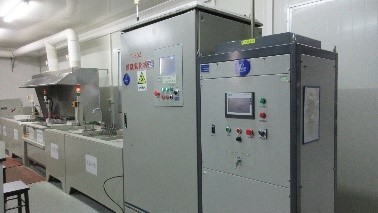
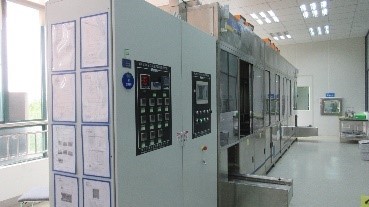
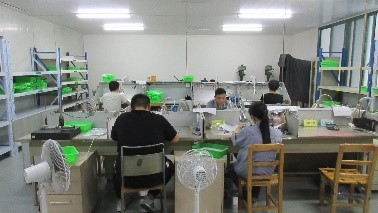
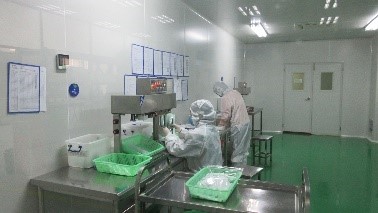
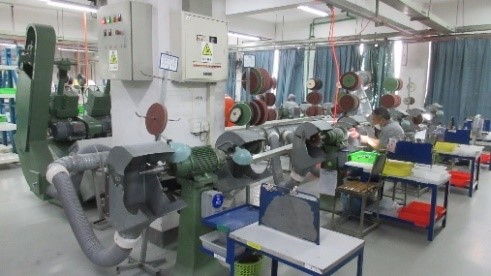
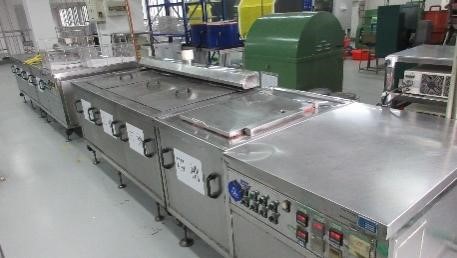
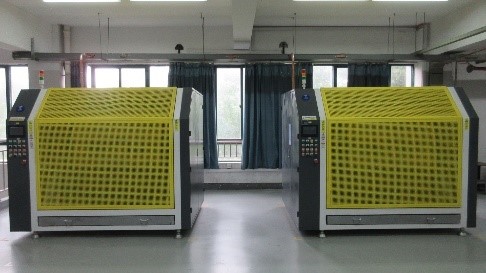
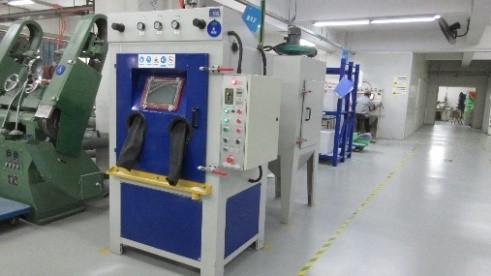
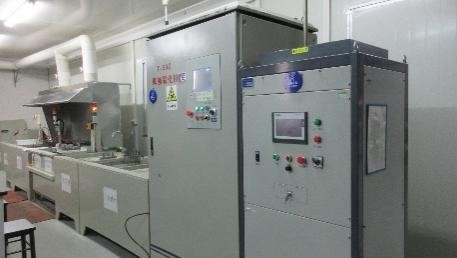
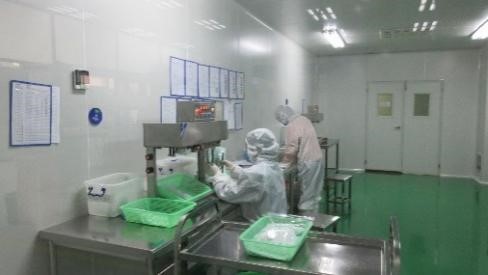
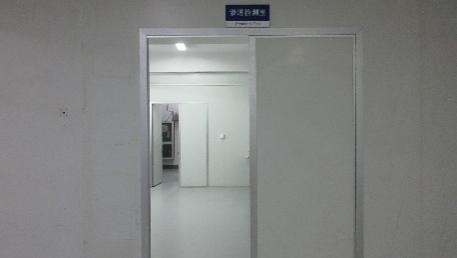
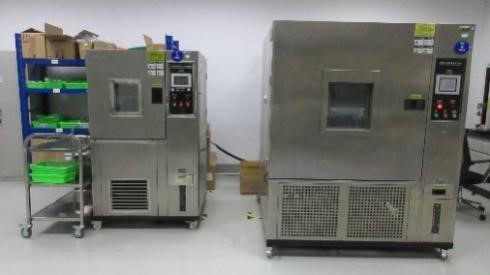
Take an inside look at Axiora's cleanrooms, quality testing facilities, and precision machining lines. All facilities comply with ISO 13485:2016 standards.
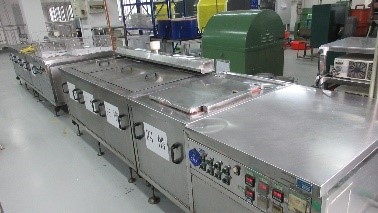
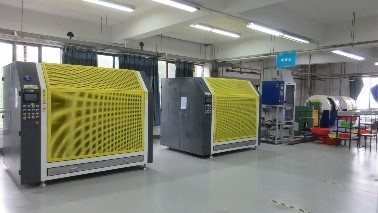
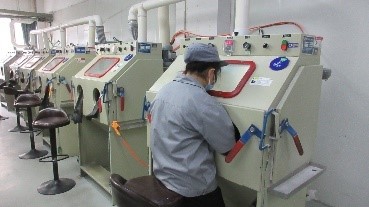
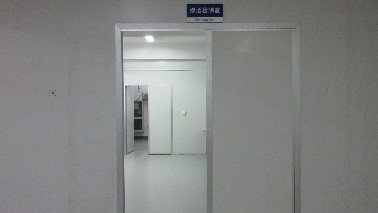
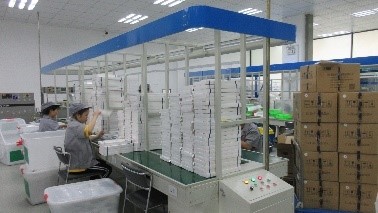
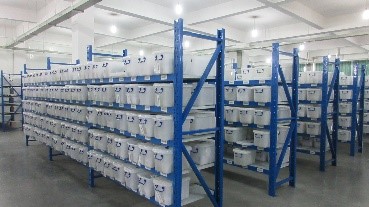
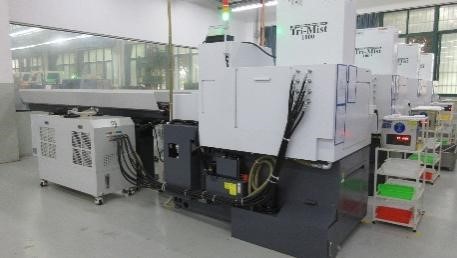
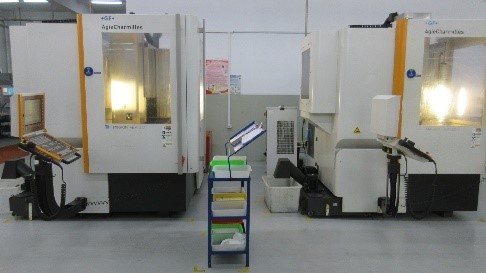
Global medical device companies operate in a demanding market characterized by pricing pressures and supply chain volatility. Partnering with a China-based manufacturing expert like Axiora offers distinct operational and cost-efficiency benefits:
Axiora controls the entire manufacturing value chain internally. We source our raw materials (including implant-grade titanium, surgical stainless steel, and medical-grade cobalt-chromium-molybdenum alloys) exclusively from certified global foundries that meet stringent ASTM and ISO implant standards. Keeping key processes in-house—including longitudinal cutting, CNC machining, automated polishing, penetrant testing, and anodizing—minimizes outsourcing delays and ensures complete material batch traceability.
Our 18,600 m² facility features state-of-the-art multi-axis CNC machines and automated grinding lines. This high production capacity allows us to run flexible production shifts. While Western manufacturers often quote lead times of 24 to 36 weeks for custom joint components, Axiora regularly delivers customized prototype runs within 6 to 8 weeks, with mass-market supply lines stabilized shortly thereafter. This speed helps our clients launch products faster and respond quickly to shifting clinical demands.
A major risk for orthopedic implants is particulate contamination during production. Axiora has designed a comprehensive contamination prevention process, featuring dual ultrasonic cleaning stations and an ISO Class 7 (Class 10,000) aseptic packaging cleanroom. Every implant undergoes validated cleaning protocols to ensure chemical residue and particulate levels are well below international limits before final packaging, ensuring safety and compliance.
Medical regulatory pathways are strict and complex. As an experienced orthopedic OEM exporter, Axiora provides comprehensive compliance documentation and support to help our clients navigate regulatory requirements with confidence:
“Axiora operates in compliance with EN ISO 13485:2016 quality management frameworks, with all joint reconstruction and trauma implants manufactured under strict Good Manufacturing Practices (GMP). Our dedicated regulatory division supports FDA 510(k) applications, CE MDR certifications, and regional registrations across APAC, LATAM, and the Middle East.”