Axiora Medical
Axiora Medical
Axiora Medical
Pioneering precision-engineered devices and trauma instruments for global hospital procurement.
An authoritative analysis of fracture fixation economics, biomechanics, and sourcing paradigms.
The Gamma Nail (often classified under cephalomedullary intramedullary nailing systems) represents a watershed moment in traumatology. Designed specifically for the stabilization of intertrochanteric, subtrochanteric, and combinations of femur fractures, the biomechanical dynamics of the modern Gamma system offer distinct advantages over extramedullary implants like the dynamic hip screw (DHS).
By positioning the implant intramedullary, the lever arm acting upon the fixation is significantly shortened. This reduces the bending moment at the fracture site by up to 30%, which minimizes mechanical failure rates—especially in osteoporotic bone where screw cut-out is a severe risk. Today, the global demand for high-fatigue titanium alloy cephalomedullary nails continues to climb, driven by an aging global population and rising incidences of geriatric low-energy falls alongside high-energy trauma incidents in developing industrial corridors.
Intramedullary positioning enables axial load sharing, allowing patients to achieve early post-operative mobilization while preserving micro-motion favorable to secondary bone healing.
Sourcing from qualified medical-grade titanium suppliers guarantees ultimate tensile strength and fatigue resistance under repetitive physiological cyclic loading.
Compliance with European Medical Device Regulation (MDR) and ISO 13485 is non-negotiable for manufacturers aiming for the global hospital and clinic tender market.
Analyzing the cost-efficiency, scale, and high-precision supply chain ecosystem of Eastern Asia.
For medical brand distributors in Europe, the Americas, and Southeast Asia, sourcing implants from Chinese manufacturers has transformed from a mere cost-saving initiative into a strategic technology play. High-end Chinese medical manufacturing zones, particularly in regions specializing in precision orthopedic machining, leverage unique advantages:
Direct factory capabilities for premium surgical devices and implant customization (OEM/ODM).
Axiora Medical Technology (China) Co., Ltd. is a professional manufacturer specializing in the research, development, production, and global supply of high-quality orthopedic implants and surgical instruments. Our product portfolio covers trauma fixation systems, spinal implants, joint reconstruction solutions, sports medicine products, and related orthopedic surgical instruments.
Established with a commitment to innovation and precision manufacturing, Axiora integrates advanced CNC machining, automated production lines, and strict quality management systems to deliver reliable products that meet international standards. Our experienced engineering team continuously develops innovative solutions to support surgeons and healthcare providers worldwide.
With strong OEM and ODM capabilities, we provide customized manufacturing services according to customers' drawings, samples, and technical requirements. From product design and prototyping to mass production and packaging, our integrated manufacturing process ensures consistent quality, competitive pricing, and on-time delivery.
Today, Axiora exports its orthopedic products to customers across Europe, North America, South America, the Middle East, Southeast Asia, and Africa, building long-term partnerships with medical device distributors, brand owners, hospitals, and healthcare organizations around the world.
| Specification Parameter | Operational Details & Capacity |
|---|---|
| Company Name | Axiora Medical Technology (China) Co., Ltd. |
| Brand | Axiora |
| Website | www.axioraortho.com |
| Established | 2017 |
| Factory Area | 18,600 m² |
| Annual Export Revenue | USD 26 Million |
| Export Experience | 8 Years |
| Industry Experience | 15 Years |
| Quality Inspection | 100% Finished Product Inspection & Incoming Material Inspection |
| Product Inspection Methods | Coordinate Measuring Machine (CMM), Tensile Testing, Hardness Testing, Surface Roughness Inspection, Salt Spray Testing |
| Quality Control Staff | 48 Dedicated Personnel |
| Business Type | Manufacturer & Exporter (OEM/ODM) |
| Main Markets | Europe, North America, Middle East, Southeast Asia, South America |
| Supply Chain Partners | 1,120 global entities |
| Main Customer Types | Medical Device Brands, Importers, Distributors, Hospitals, Government Procurement Projects |
| R&D Capability | Independent Product Development, Reverse Engineering, OEM & ODM Solutions |
| Customization Options | Logo Printing, Private Label, Custom Packaging, Product Design, Material Selection, Drawing-Based Manufacturing |
| New Products Released Last Year | 126 additions |
| R&D Engineers | 86 senior specialists |
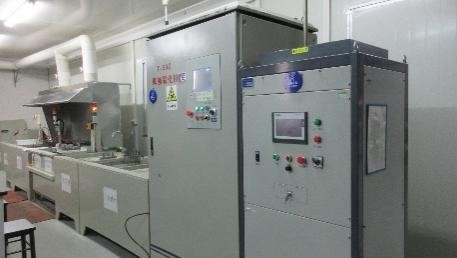
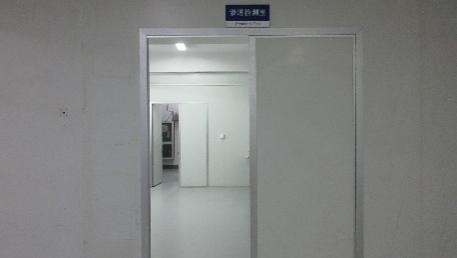
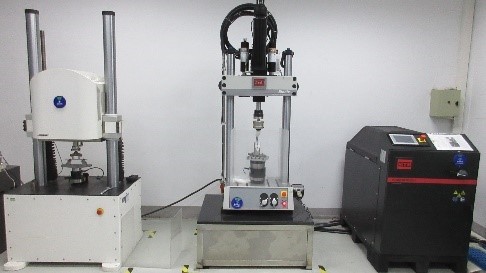
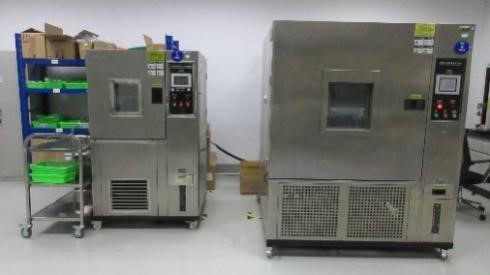
A visual tour of the specialized production environment, cleaning stages, and quality controls at Axiora.
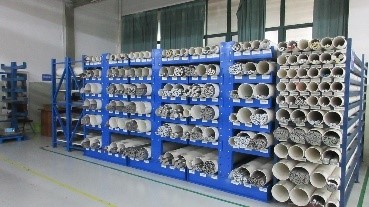
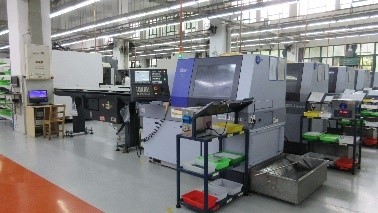
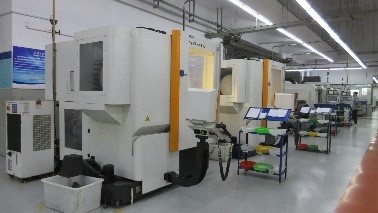
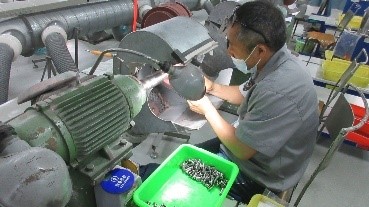
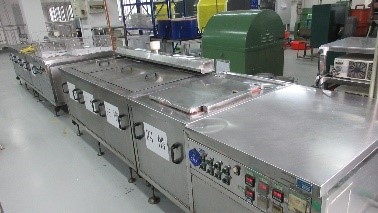
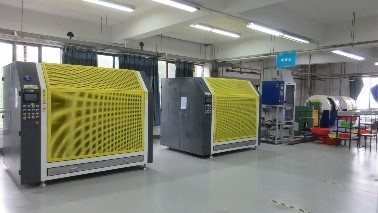
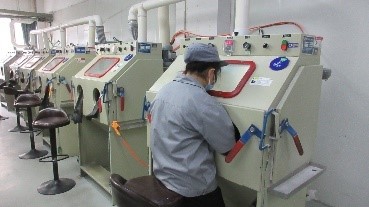
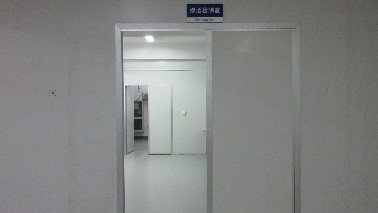
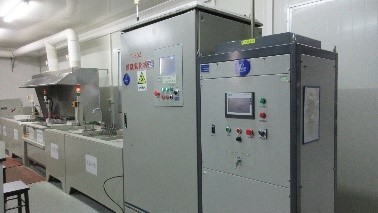
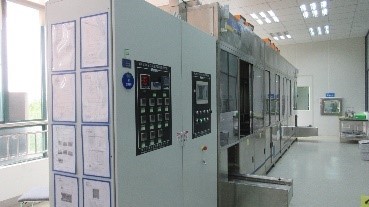
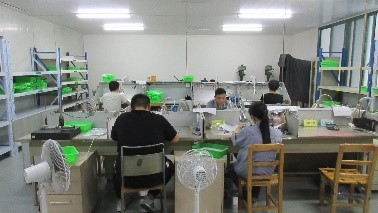
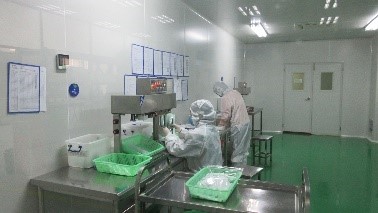
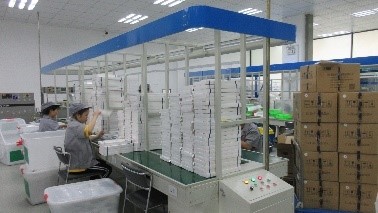
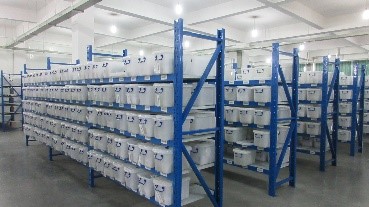
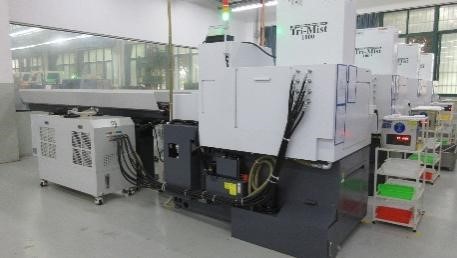
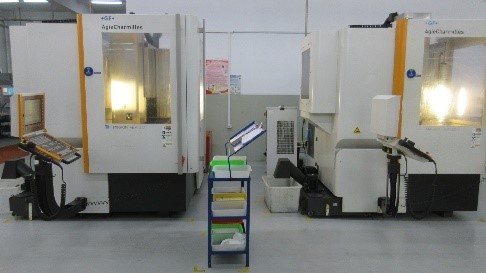
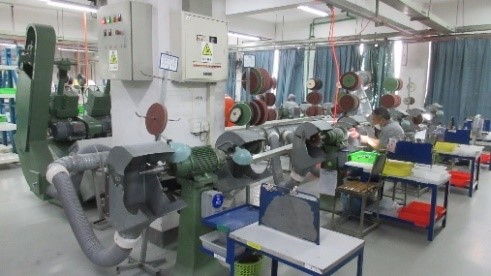
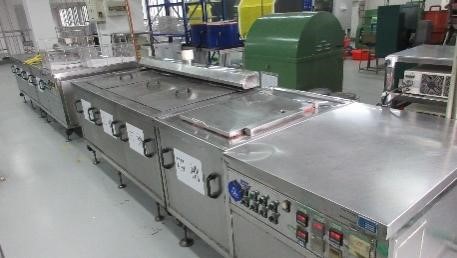
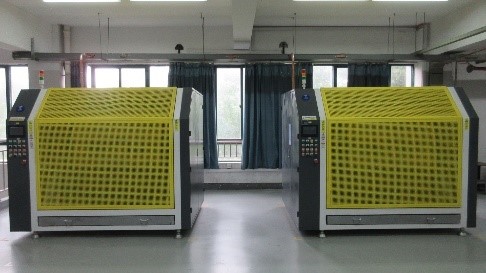
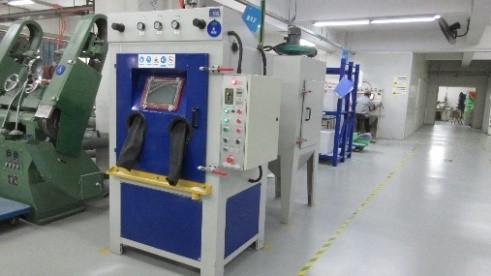
How geographic anatomical differences dictate Gamma Nail profiles and surgical outcomes.
One size does not fit all in orthopedics. Modern intramedullary nails must adapt to distinct regional anatomical variations. Over the past decade, extensive anthropometric research has demonstrated marked variations in femur morphology between demographic groups. For example, East Asian populations generally possess shorter femurs with a more pronounced anterior bow compared to Caucasian cohorts. Sourcing from a factory that ignores these metrics often results in severe complications, such as distal anterior cortical impingement or penetration during insertion.
Larger average intramedullary canals and longer femora call for implants with longer overall lengths and standard lag screw lengths. A larger Caput-Collum-Diaphyseal (CCD) angle (typically 125° to 130°) is preferred for matching skeletal alignment without creating varus malreduction.
Shorter nails with a reduced radius of curvature (ROC) are critical. An excessive ROC leads to distal tip impingement. Dynamic locking choices are highly favored here, allowing slight postoperative compaction of the bone columns along the dynamic axis in smaller-frame patients.
Key criteria for procurement departments and technological trajectories.
For hospital groups, ministry of health buyers, and medical distribution houses, evaluating a Gamma Nail manufacturer involves evaluating more than just price per unit. A systematic framework must evaluate a factory across three vectors:
The orthopedic industry is rapidly moving toward smart integration. Digital planning software matches patient radiographs with database-stored CAD models of Gamma nails to select the exact fit preoperatively. Furthermore, factories are beginning to invest in metal 3D printing (additive manufacturing) for customized distal instruments, as well as bioresorbable polymers for dynamic locking caps, signaling a shift toward hybrid material constructs.
Crucial answers to support QA directors, orthopedic surgeons, and regulatory officers.
The main differences lie in the configuration of the proximal fixation. Standard PFNs typically utilize two parallel or integrated screws (a lag screw for compression and a smaller anti-rotation screw). The classic Gamma system utilizes a single larger, robust lag screw paired with an integrated set screw to prevent rotation, or utilizes a helical blade mechanism designed to compact rather than cut trabecular bone. Gamma nails generally feature a smaller proximal diameter, which preserves more of the greater trochanter during insertion.
Under regulatory frameworks like the European Union's Medical Device Regulation (MDR) and FDA guidelines, implant manufacturers must show end-to-end traceability. Raw titanium alloy bars must be verified as medical-grade (such as Ti-6Al-4V ELI conforming to ASTM F136). Any impurities or micro-voids in the titanium can cause unexpected fatigue failure under the high stress of weight-bearing loading in early recovery phases, leading to non-union and high-risk revision surgery.
Electrochemical anodization creates a stable, bio-inert titanium oxide surface layer without changing the mechanical properties of the core metal. Type II anodization reduces friction, improves fatigue life, and minimizes titanium ion release. It can also be color-coded (using interference colors) to help operating room personnel quickly identify nail size and orientation under stress.
Yes. Top-tier manufacturers like Axiora utilize high-precision CNC programming that allows for fast setup adjustments. While large volume production offers the best pricing, these factories maintain dedicated R&D CNC cells to handle custom engineering batches, prototype development, and region-specific sizing requests based on provided 2D/3D CAD models.
Explore further precision implants, interlocking systems, and reconstructive instruments.