1 / 5
 Axiora Medical


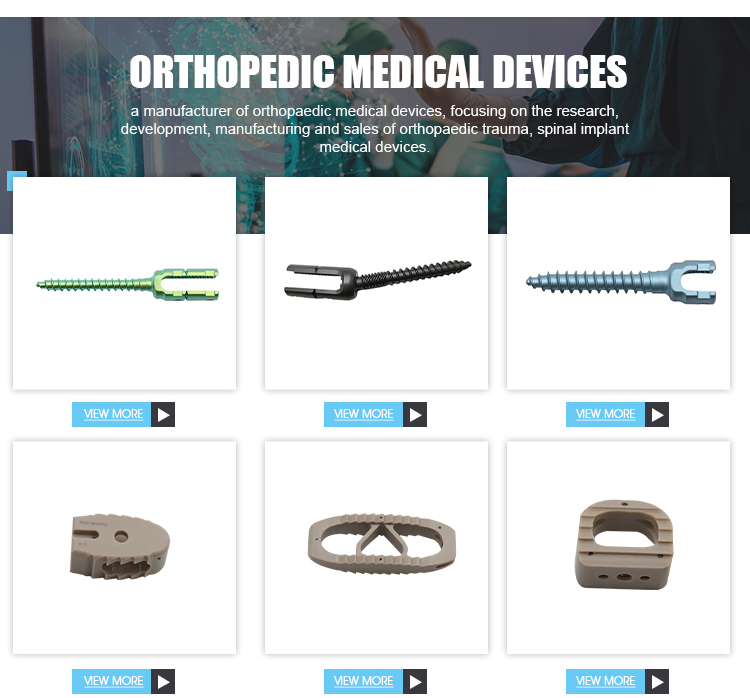
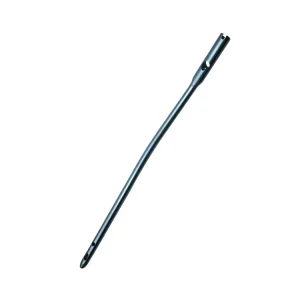
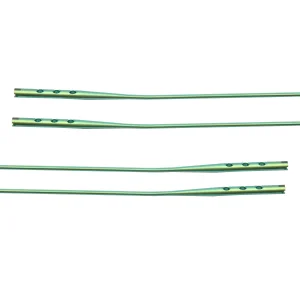
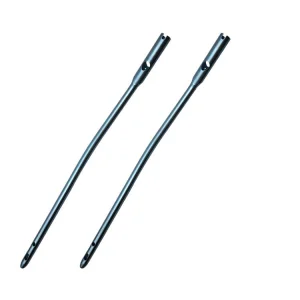
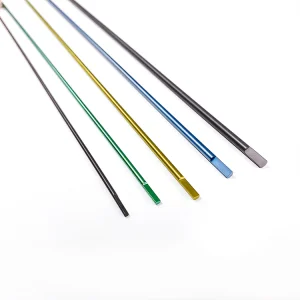
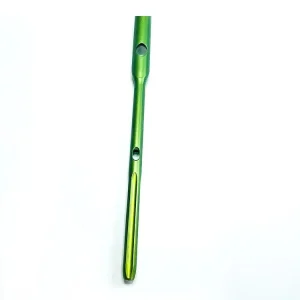
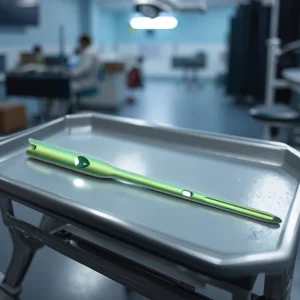
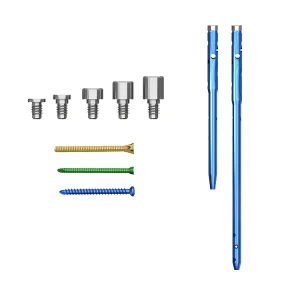
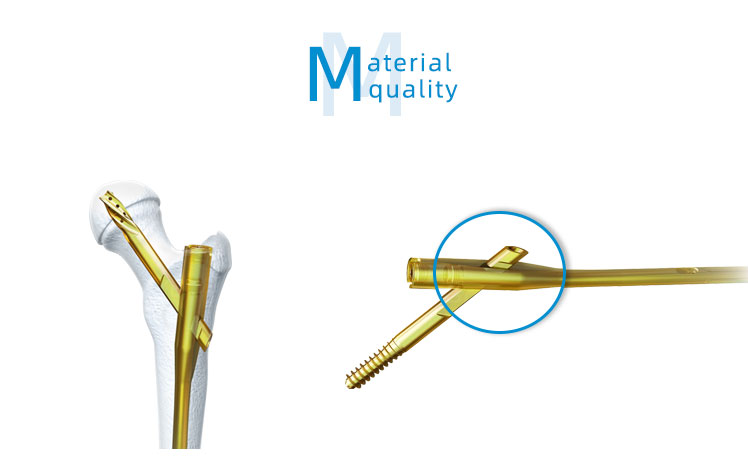
Intramedullary Nail System: Discover a comprehensive range of high-quality intramedullary nails engineered for clinical excellence. Designed for easy insertion and extraction, our implants are fabricated from premium Titanium Alloy. This advanced material profile minimizes the risk of outer wall impact and main nail inward movement. Optimized nail diameters cater to diverse clinical applications, ensuring straightforward operation and minimally invasive implantation.
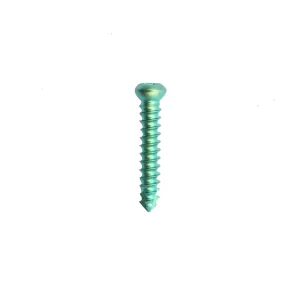
| Product Name | Model | Material |
|---|---|---|
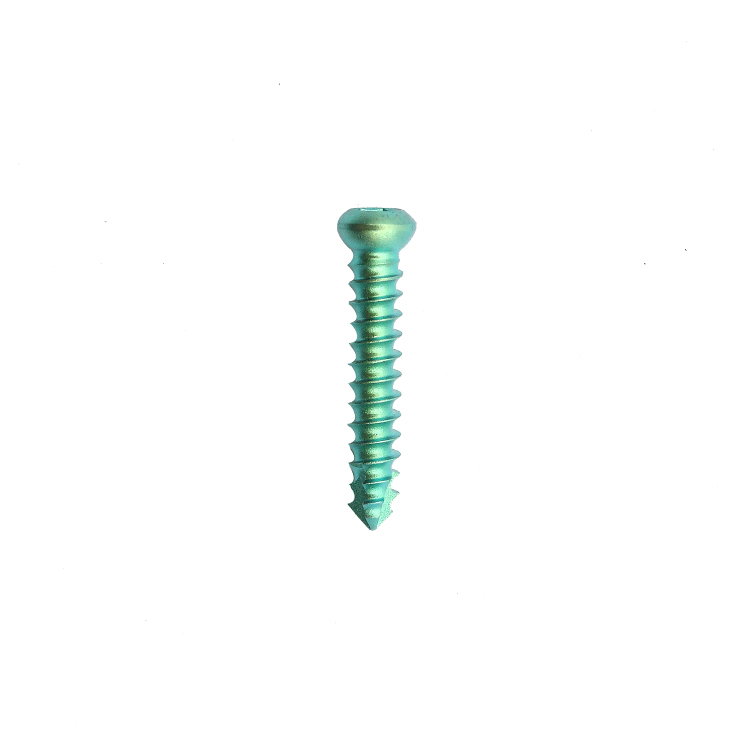
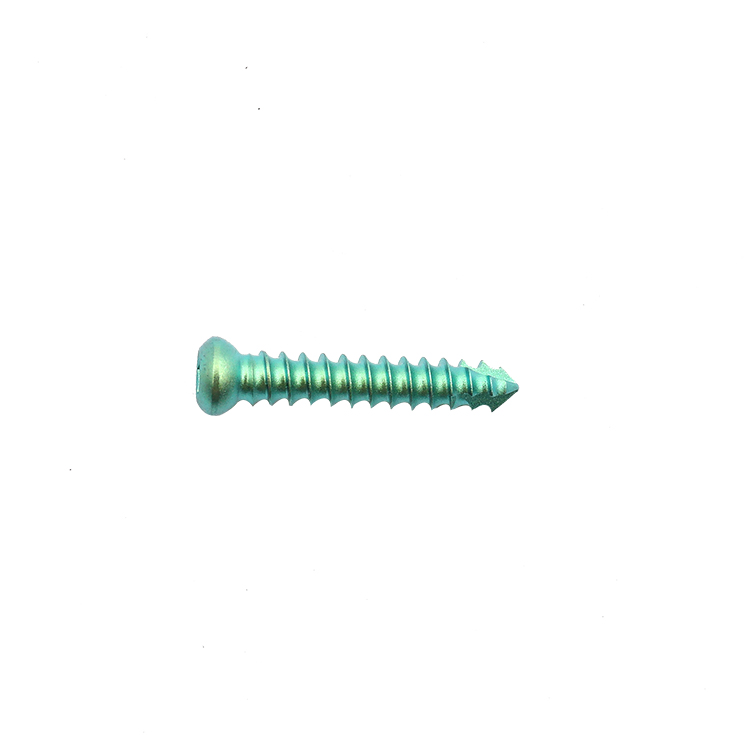
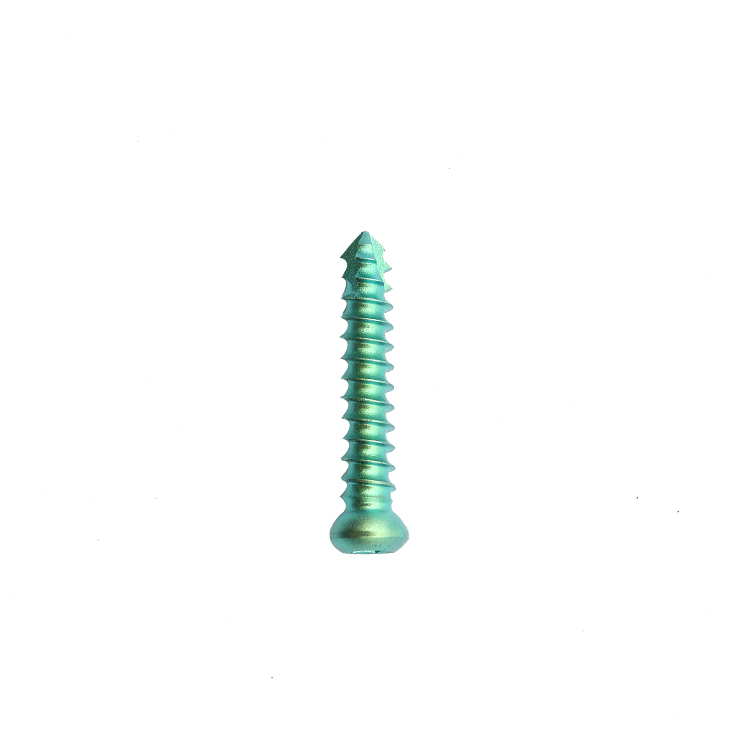
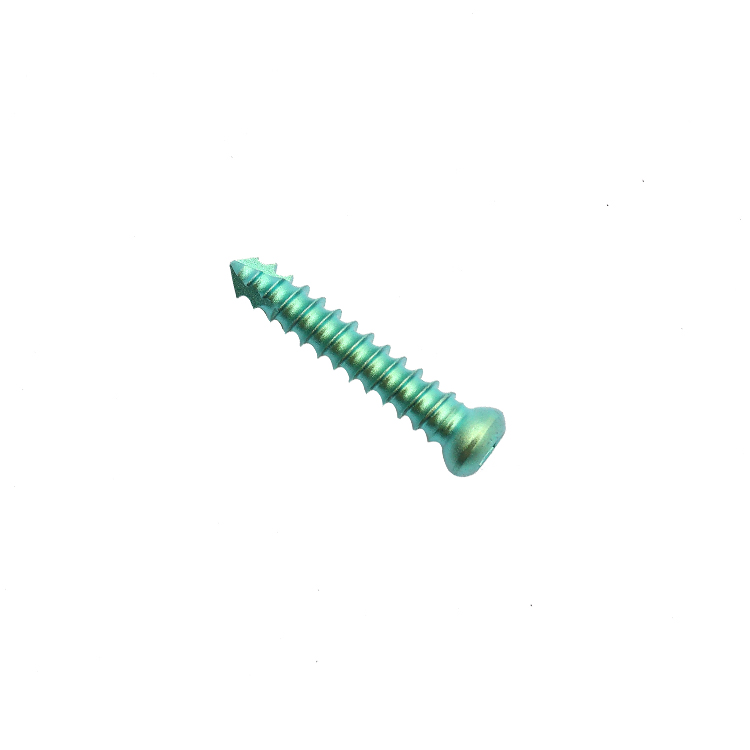
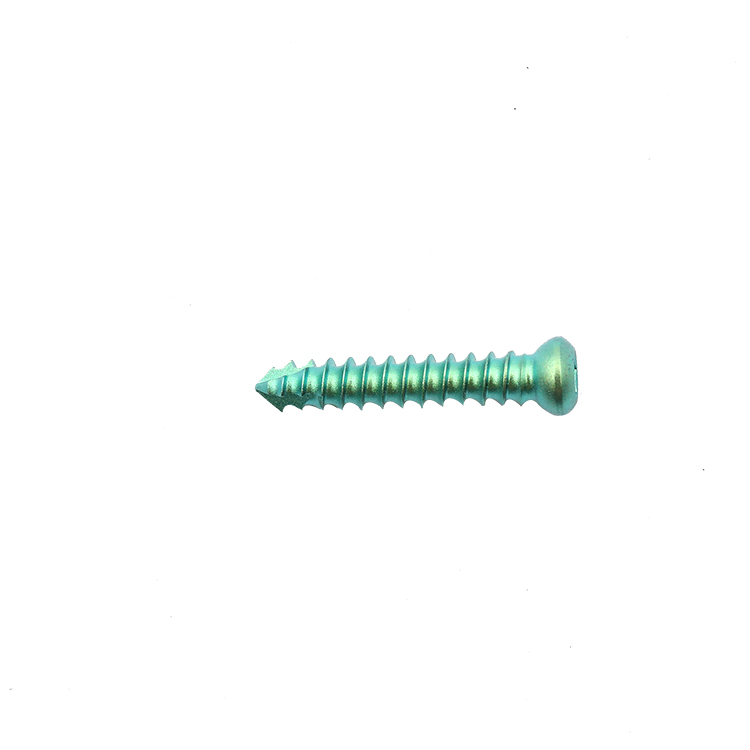
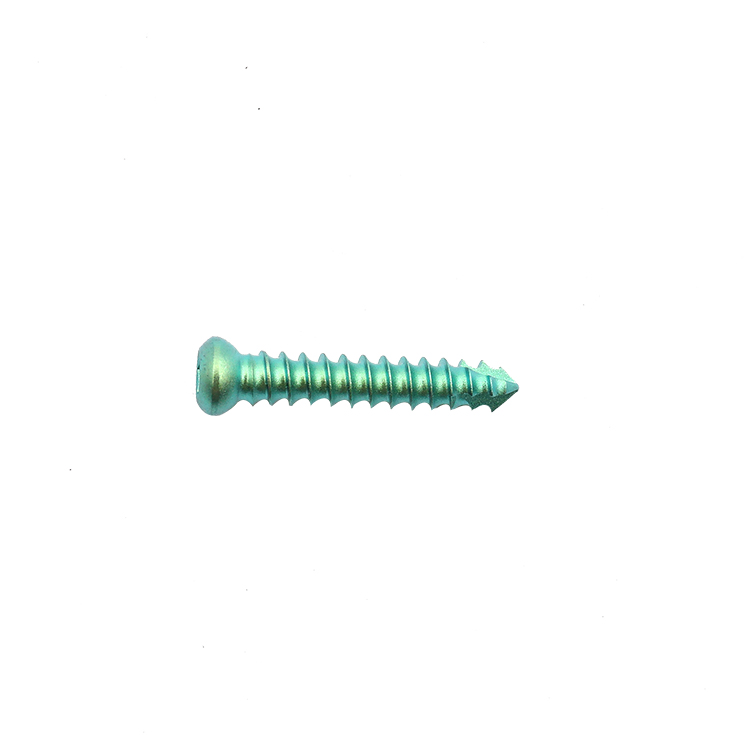
| Diameter 3.5 locking screw | SWX-IS | Titanium Alloy |
| Product Name | Model | Specification | Material | Code |
|---|---|---|---|---|
| Proximal Femoral Nail Antirotation Intramedullary Nail | SGM-IIK | 9.0×170×130° | Titanium Alloy | 15649170 |
| Proximal Femoral Nail Antirotation Intramedullary Nail | SGM-IIK | 9.0×200×130° | Titanium Alloy | 15649200 |
| Proximal Femoral Nail Antirotation Intramedullary Nail | SGM-IIK | 9.0×240×130° | Titanium Alloy | 15649240 |
| Proximal Femoral Nail Antirotation End Cap | SGM-IIK | 10×15 | Titanium Alloy | 15601115 |
| Proximal Femoral Nail Antirotation End Cap | SGM-IIK | 10×20 | Titanium Alloy | 15601120 |
| Proximal Femoral Nail Antirotation Blade | SGM-IIK | 10.5×70 | Titanium Alloy | 15600570 |
| Proximal Femoral Nail Antirotation Blade | SGM-IIK | 10.5×80 | Titanium Alloy | 15600580 |
| Proximal Femoral Nail Antirotation φ4.9 locking screw | SGM-IIK | 4.9×30--72 | Titanium Alloy | 15604930 |
| Femoral Nail locking screw I | SGG-IIIK | 6.5×75 | Titanium Alloy | 15246575 |
| Femoral Nail Intramedullary Nail | SGG-IIIK | 9.0-13.0 | Titanium Alloy | 15249340 |
| Humeral nail Intramedullary Nail | SHG-IK | 8 | Titanium Alloy | 15728160 |
The nail length and curvature are precisely engineered to align with the natural anatomy of the femoral medullary cavity, facilitating seamless insertion and structural harmony.
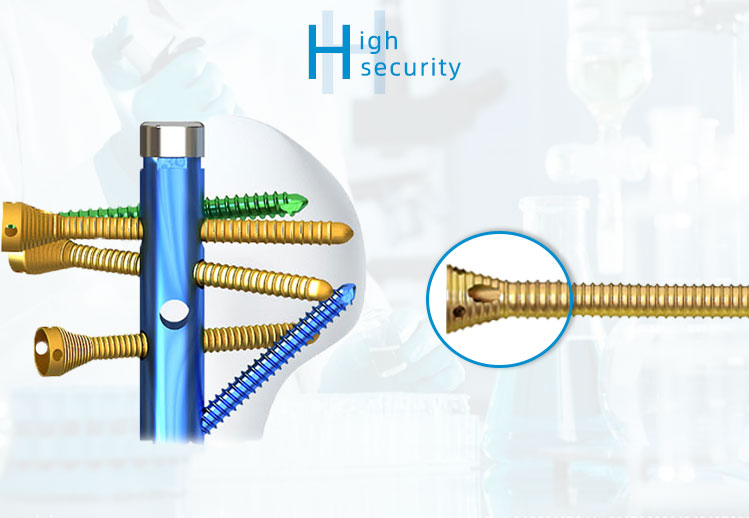
Developed to enhance fixation strength in osteoporotic bone. The blunt-end design of the locking screw effectively minimizes the risk of excessive penetration.
Short Nails: Diameter of 8.0 / 9.5mm, length of 160mm.
Long Nails: Diameter of 7.0 / 8.5mm, length of 180-315mm (15mm intervals).
Available in left and right anatomical configurations. Premium Titanium Alloy ensures robust performance across minimally invasive surgical procedures.
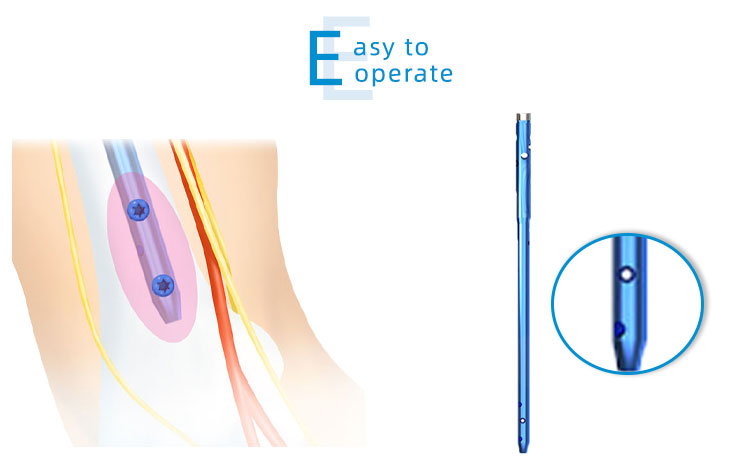
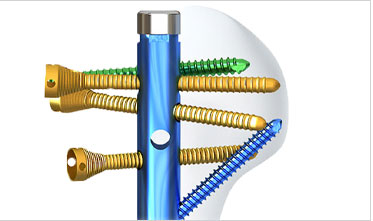
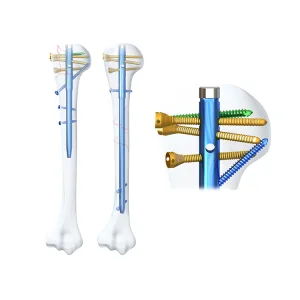
Features multi-plane and multi-locking screw configurations, providing surgeons with versatile options to achieve optimal mechanical stability. The screw-in-screw construct secures osteoporotic bone, while the blunt head and countersinking screw design reduce soft tissue irritation and minimize over-penetration risk.
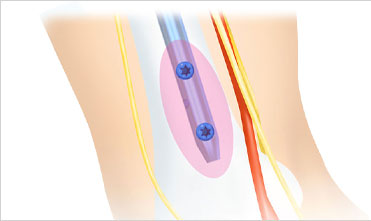
Short Nails: Utilizes two locking options in different planes.
Long Nails: Employs three locking holes strategically aligned to avoid critical vasculature. Positioned safely between the median and radial nerves, two anterior-posterior locking holes prevent distal fracture rotation and displacement.
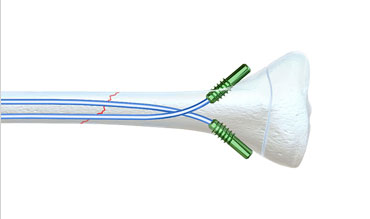
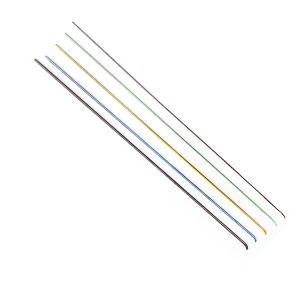
To optimize stability, the nail diameter should occupy 30% to 40% of the narrowest medullary cavity segment. Standard guidelines recommend:
- 3.0mm diameter for ages 6-8 years
- 3.5mm diameter for ages 9-11 years
- 4.0mm diameter for ages 12-14 years
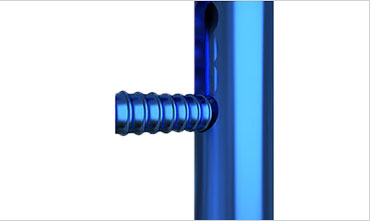
Designed with specialized compression holes to increase structural stability across transverse or short oblique fractures. Features a built-in, self-sustaining compression mechanism that eliminates the need for intraoperative static locking screw adjustments.
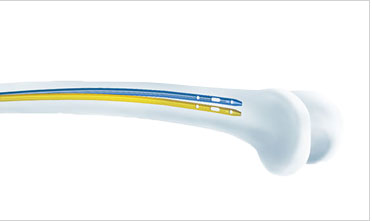
By shifting to a 1.0m radian radius from the standard 1.5m radius of older G3 configurations, the TFNA design doubles the anatomical centering probability within the medullary canal, easing implant positioning.