Axiora Medical
Axiora Medical
Axiora Medical
Select high-performance orthopedic systems optimized for trauma fixation, spinal intervention, and joint reconstruction surgeries.
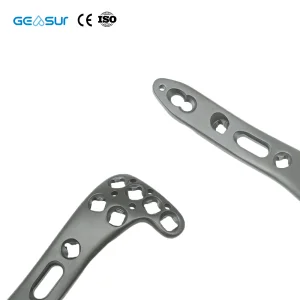
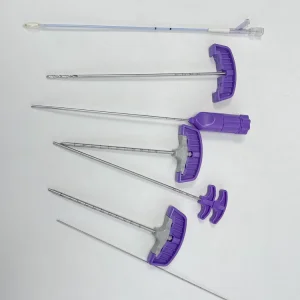
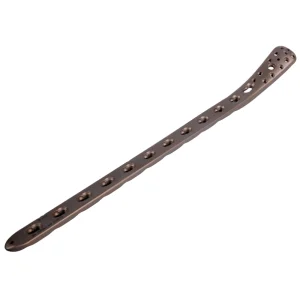
The global joint reconstruction landscape is undergoing a pivotal transition. Total hip arthroplasty (THA) demands implants that demonstrate exceptional long-term survivorship, physiological load transfer, and robust biological fixation. As international medical device brands, OEM distributors, and purchasing groups seek resilience and cost-efficacy, China's medical manufacturing sector has transitioned from a basic manufacturing hub to a high-precision, R&D-driven powerhouse.
Modern Chinese orthopedic manufacturing centers, such as Axiora Medical, have integrated state-of-the-art titanium forging, CNC milling, surface texturing, and cleanroom packaging technologies. By leveraging localized supply chains, access to high-grade ISO 5832-3 compliant Titanium-6Aluminum-4Vanadium ELI (Extra Low Interstitial) alloys, and robust engineering talent, China-based factories now provide Class III orthopedic implants that compete directly with premium European and American brands in mechanical integrity and biological integration.
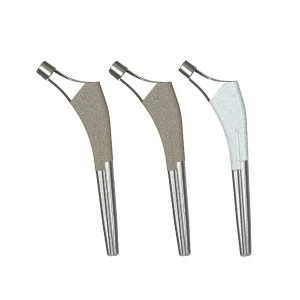
Designing and manufacturing a clinically successful femoral stem requires a deep understanding of material properties, stress distribution, and osseointegration dynamics. The primary goal is to prevent aseptic loosening—the leading cause of THA failure—and to reduce stress shielding by optimizing the stem’s flexural rigidity.
Utilizing high-purity Titanium alloy (Ti-6Al-4V ELI) and Cobalt-Chromium-Molybdenum (Co-Cr-Mo) alloys. Titanium offers a lower elastic modulus closer to cortical bone, significantly reducing stress shielding and promoting bone remodeling.
Incorporating Grit-Blasting, Vacuum Plasma Sprayed (VPS) Titanium, and Hydroxyapatite (HA) coatings. These coatings create a highly porous texture (pore sizes ranging from 100 to 400 microns) that facilitates rapid secondary biological fixation.
Optimized tapered wedge and double-tapered designs. These configurations convert shear forces into compressive loads, maximizing primary press-fit mechanical stability within the femoral canal.
Axiora Medical Technology (China) Co., Ltd. serves as a benchmark for high-level orthopedic manufacturing. By operating an integrated supply chain that spans from raw material qualification to sterile packaging, Axiora guarantees reliability and price competitiveness for international medical device distributors.
| Operational Pillar | Axiora Medical Capability & Quality Standard | Strategic Advantage for Global Importers |
|---|---|---|
| Industrial Footprint | 18,600 m² advanced manufacturing facility with Class 100,000 aseptic cleanrooms. | Scalable volume manufacturing with minimized contamination risks. |
| R&D Infrastructure | 86 dedicated R&D engineers, releasing 126+ new designs annually. | Rapid reverse engineering, CAD modeling, and custom prototyping for localized markets. |
| Quality Control Staff | 48 full-time QA/QC inspectors monitoring every phase of production. | 100% finished product inspection using coordinate measuring machines (CMM) and mechanical tests. |
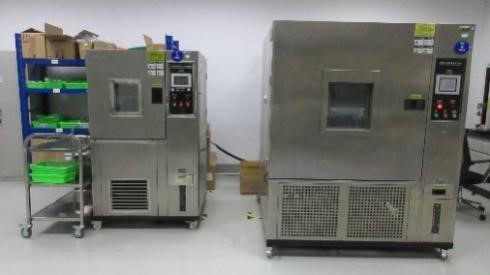
| Regulatory Testing | In-house fatigue endurance, tensile, roughness, hardness, and aging chambers. | Fully validated testing protocols supporting rapid CE, FDA, and local NMPA submissions. |
| SCM Partnerships | Active integration with 1,120 qualified material and process supply partners. | Mitigated supply chain risks, stable pricing, and reliable lead times under global crises. |
Under the strict governance of ISO 13485 and Class III medical device protocols, our production workflow is fully monitored and transparent.
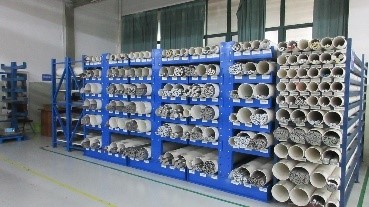
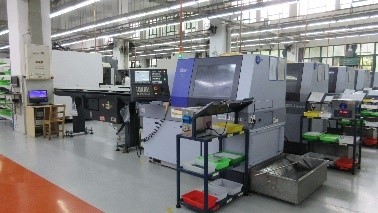
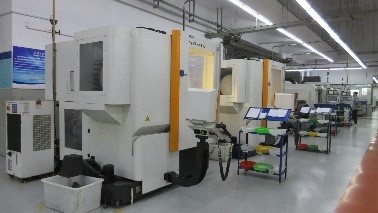
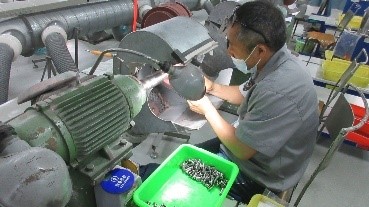
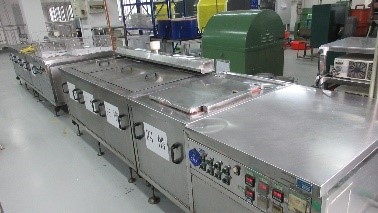
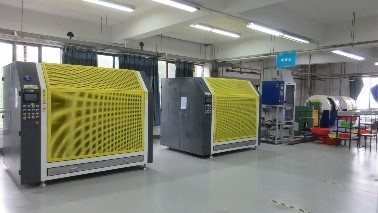
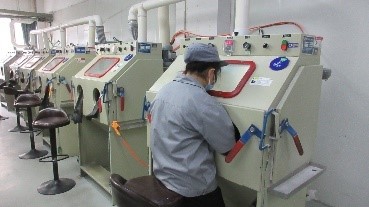
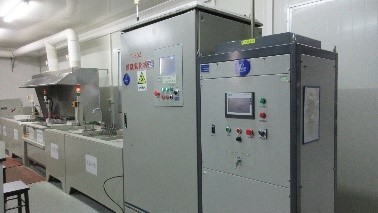
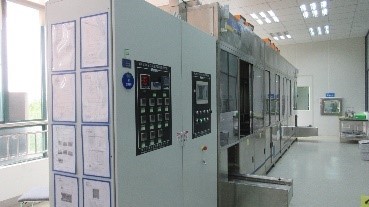
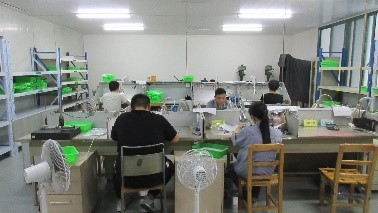
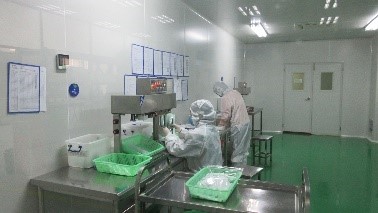
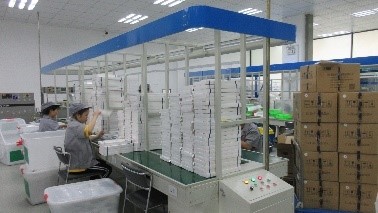
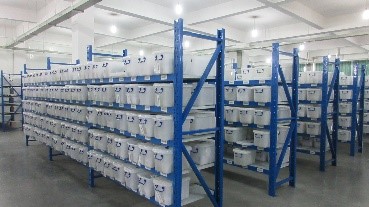
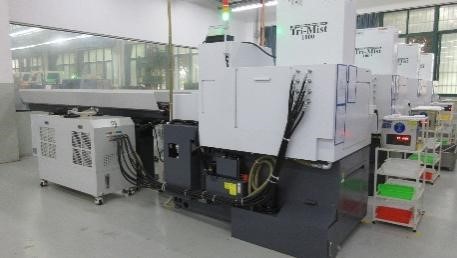
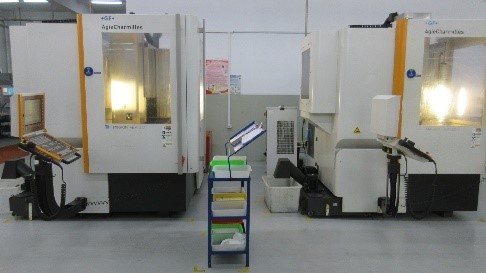
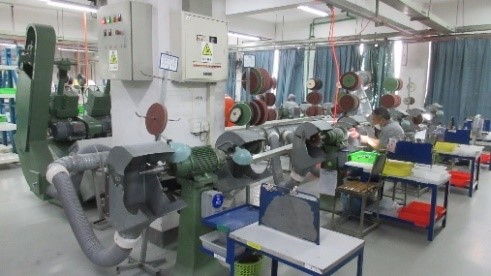
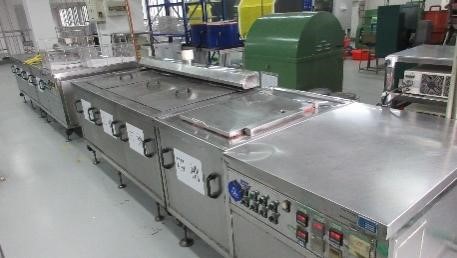
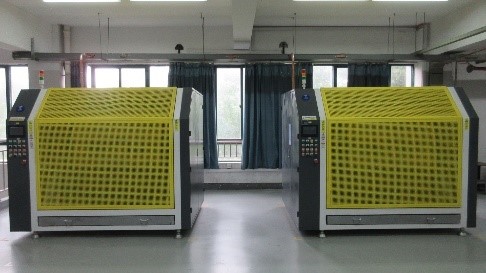
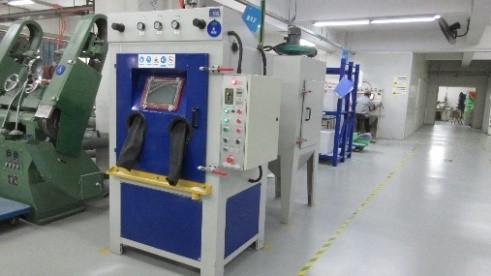
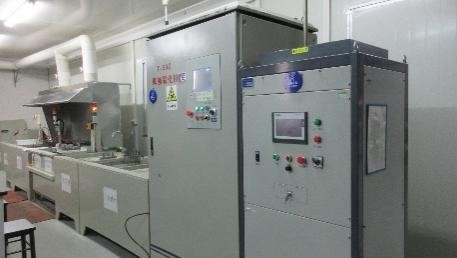
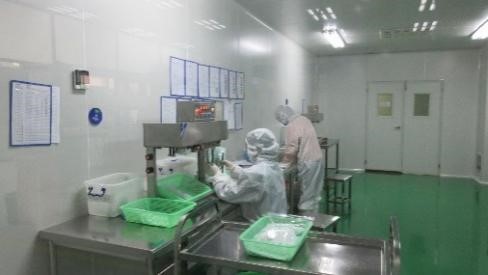
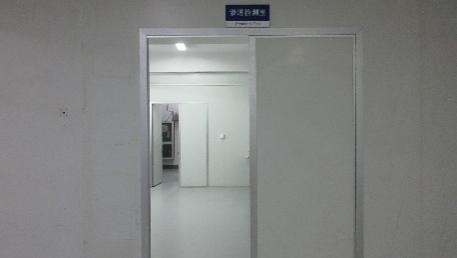
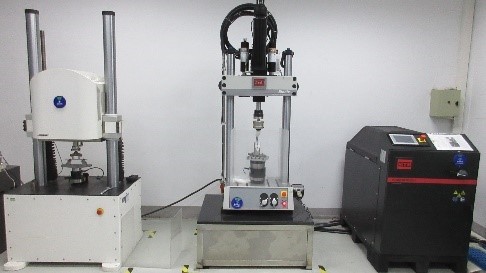
Sourcing medical implants globally demands deep alignment with geographic regulatory environments. For Class III orthopedic implants, such as femoral stems, factories must prove biological safety, chemical composition traceability, and mechanical durability under physiological loading configurations.
Axiora provides complete documentation dossiers to facilitate regulatory registrations globally:
No single implant geometry satisfies all global surgical demographics. Different geographical regions demand distinct anatomical parameters:
When selecting a Chinese femoral stem manufacturer, procurement directors must evaluate technical capability over simple cost parameters. Use the following structured verification steps to audit prospective factories:
Statistical demonstration of our technical capacity, export volume, and market coverage.
Expert technical answers to key regulatory, chemical, and manufacturing inquiries from international buyers.
We exclusively utilize medical-grade titanium alloy conforming to ASTM F136 and ISO 5832-3 (Ti-6Al-4V ELI) as well as premium cobalt-chromium alloys conforming to ISO 5832-12. These alloys undergo comprehensive mechanical, chemical, and microstructure testing to ensure optimal fatigue resistance and biocompatibility.
Our quality control department consists of 48 dedicated quality staff. We implement a 100% finished product inspection system. Dimensions are verified on high-resolution Coordinate Measuring Machines (CMM). Additionally, we conduct dye penetrant testing for microscopic surface fissures, surface roughness analysis, and fatigue endurance tests.
Yes. We possess strong OEM/ODM capabilities supported by 86 R&D engineers. We regularly manufacture custom implants based on provided CAD files, blueprints, physical samples, or custom anatomical specifications, managing the process from initial design validation through tool forging to final sterile packaging.
We provide specialized surface treatments including grit-blasting (for macro-roughness), vacuum titanium plasma spray (VPS) to achieve optimal micro-porosity, and Hydroxyapatite (HA) coating to bio-activate the stem surface, which promotes accelerated bone ingrowth and long-term implant stabilization.
High-precision orthopedic instruments, surgical power tools, and fracture fixation components certified for international clinical use.