 Axiora Medical
Axiora Medical
Axiora Medical
Engineered to strict clinical requirements, ensuring mechanical integrity and long-term biocompatibility in osteosynthesis.
Investigating the technological shifts, economic drivers, and regulatory patterns shaping global orthopedic healthcare.
The orthopedics industry is undergoing a paradigm shift from conventional inert metal structures to bio-interactive and smart materials. While Grade 5 Titanium (Ti-6Al-4V ELI) and high-nitrogen stainless steel remain the gold standards for rigidity and biocompatibility, there is significant growth in the deployment of PEEK (Polyetheretherketone) and bioabsorbable polymers (like PLDLA) for sports medicine. These materials mitigate stress-shielding, allowing for progressive physiological load transfer to healing bone structures.
Simultaneously, additive manufacturing (3D printing) has transitioned from prototyping to full-scale clinical usage. Trabecular metal structures printed with high geometric complexity are mimicking natural bone density, promoting faster osseointegration. As a leading manufacturer, Axiora tracks these advancements to offer customized internal and external fixation designs.
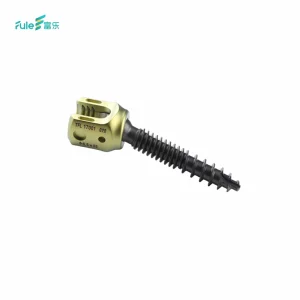
On the macro-economic front, aging demographics globally drive a rising incidence of osteoporotic fractures, escalating demand for specialized devices such as cement-augmented pedicle screws and variable-angle locking plate systems. In emerging markets, accessibility and cost-efficiency dictate buying patterns, prompting governments to favor high-quality, ISO-certified medical devices over high-premium tier-one legacy brands.
For medical device distributors and purchasing managers, navigating this landscape requires balance. The transition from the Medical Device Directive (MDD) to the more rigorous European Medical Device Regulation (EU MDR 2017/745) has constrained supply lines, forcing medical buyers to source products from agile, highly compliant OEM/ODM partners.
How Axiora integrates digital logistics, advanced robotics, and comprehensive quality control to deliver orthopedic devices worldwide.
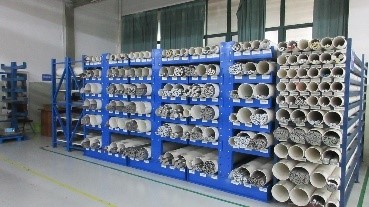
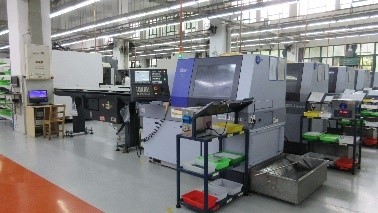
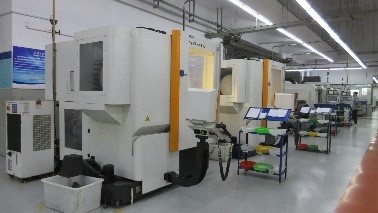
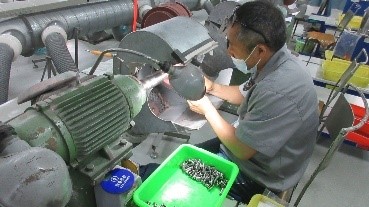
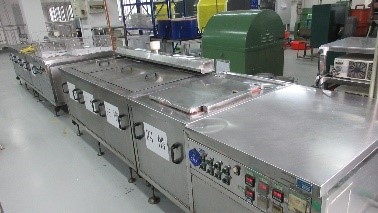
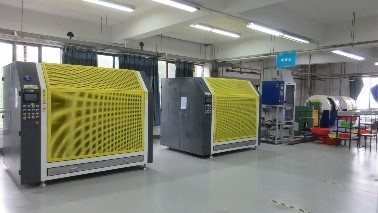
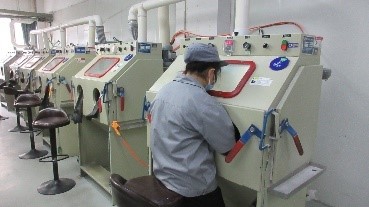
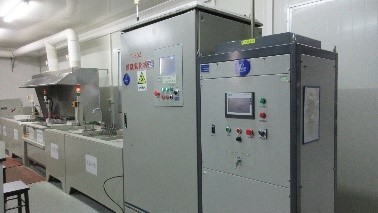
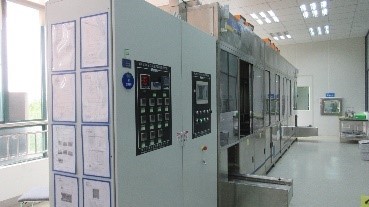
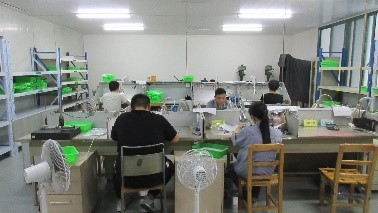
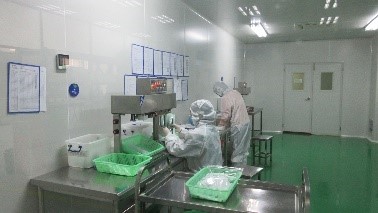
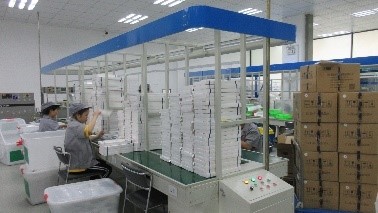
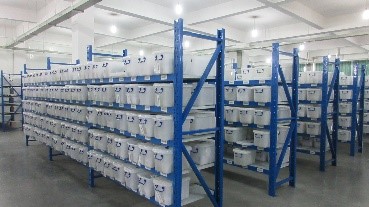
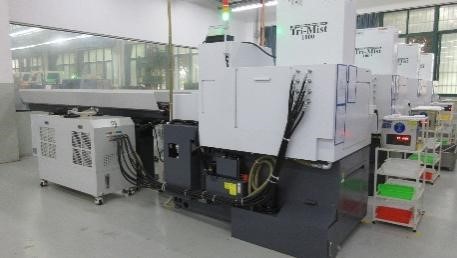
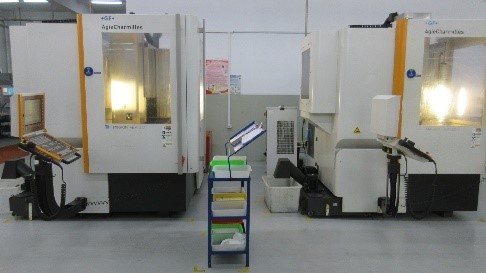
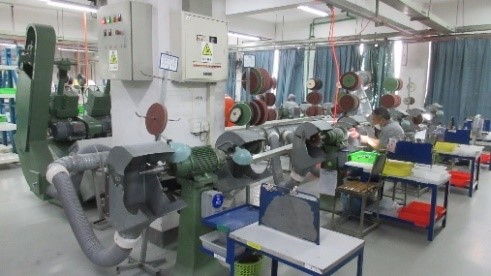
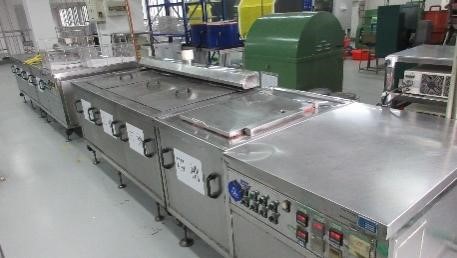
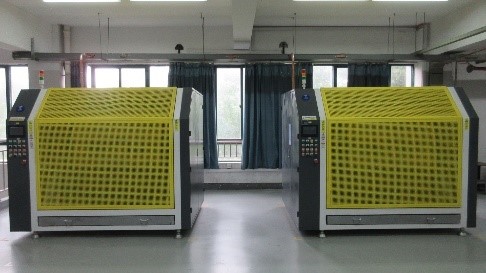
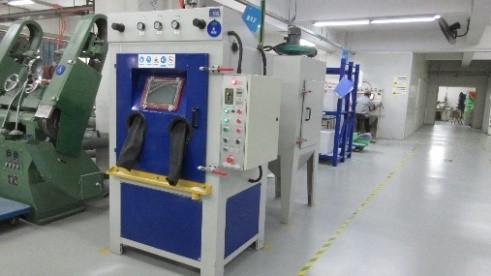
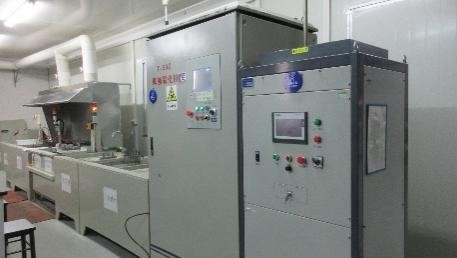
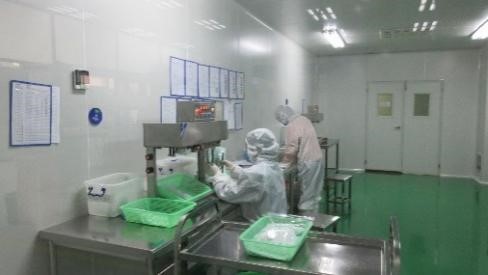
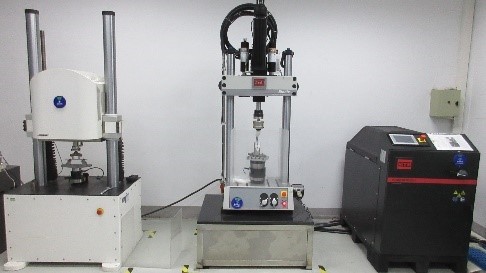
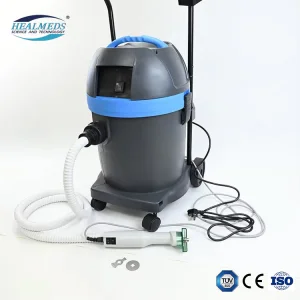
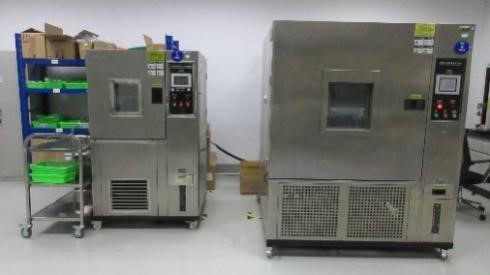 Advanced Aging Tester - Ensuring long-term product durability and structural reliability.
How B2B procurement professionals evaluate risk, manage costs, and secure medical device partnerships.
Supply managers assess manufacturer performance based on clinical validation, regulatory certificates, and traceability. At Axiora, each production lot is traceable to its raw material heat number. By supplying CE-marked and ISO 13485-certified systems, we simplify the regulatory approvals required by global distributors.
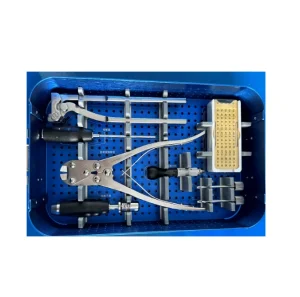
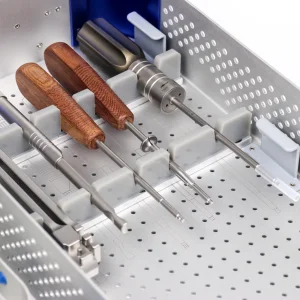
Implant cost is only one factor; packaging, sterilizer validation, shipping rates, and customized tooling kits complete the balance. By using modular instrumentation sets (such as Small Fragment Locking Plate surgical tools), we reduce the operating room footprint while optimizing cost-per-procedure.
No single device fits all patient needs or surgical preferences. Axiora supports customized branding, unique plate configurations, and specialized screw thread designs. Our R&D team of 86 engineers converts clinical requirements into production-ready designs.
Translating biomechanical engineering into targeted clinical solutions for different surgical environments.
In emergency surgery, surgeons require reliable, adaptable fixation tools. Fractures with soft tissue compromise need stable internal fixation using locking plates or intramedullary locking nails. The locking plate mechanisms act as internal fixators, retaining blood supply to the periosteum and promoting callus formation.
Axiora's 3.5mm Small Fragment Locking Plate System and Humeral Intramedullary Nail Kits provide the necessary instrument versatility. Color-coded drill guides, self-tapping locking screws, and modular instrumentation help surgical teams reduce operating time and optimize patient outcomes.
Sports injury repair relies on joint preservation and arthroscopic accessibility. Procedures like ACL reconstructions or rotator cuff repairs use specialized suture anchors and interference screws. These components must secure soft tissue to bone with minimal profile to avoid mechanical irritation.
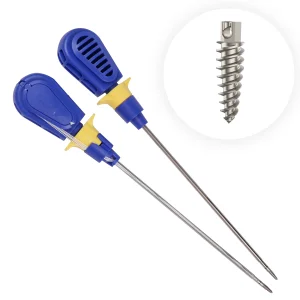
Axiora’s PEEK bioabsorbable screws and titanium suture anchors are engineered with high torque resistance to prevent breakage during insertion. Their thread designs ensure bone purchase in both cancellous and cortical regions, helping patients begin early rehabilitation protocols.
A professional manufacturer specializing in the research, development, production, and global supply of high-quality orthopedic implants.
| Strategic Capabilities | Operational Details & Infrastructure |
|---|---|
| Company Name | Axiora Medical Technology (China) Co., Ltd. |
| Brand | Axiora |
| Website | www.axioraortho.com |
| Established | 2017 |
| Factory Area | 18,600 m² (Equipped with cleanrooms & CNC machining workshops) |
| Annual Export Revenue | USD 26 Million |
| Export & Industry Experience | 8 Years Export Experience / 15 Years Industry Experience |
| Quality Inspection Standards | 100% Finished Product Inspection & Incoming Material Inspection |
| Product Inspection Methods | Coordinate Measuring Machine (CMM), Tensile Testing, Hardness Testing, Surface Roughness Inspection, Salt Spray Testing |
| Quality Control Staff | 48 Quality Engineers and Quality Inspectors |
| Business Type | Manufacturer & Exporter (OEM / ODM Solutions) |
| Main Markets | Europe, North America, Middle East, Southeast Asia, South America |
| Supply Chain Partners | 1,120 partner nodes for logistics, raw materials, and processing |
| R&D Capability & Output | Independent Product Development, Reverse Engineering, 126 New Products Released Last Year |
| Customization Options | Logo Printing, Private Label, Custom Packaging, Product Design, Material Selection, Drawing-Based Manufacturing |
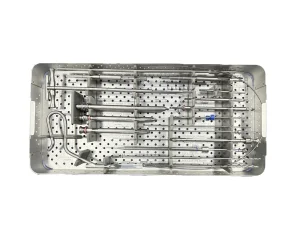
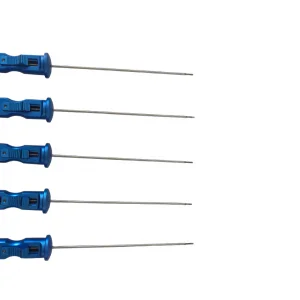
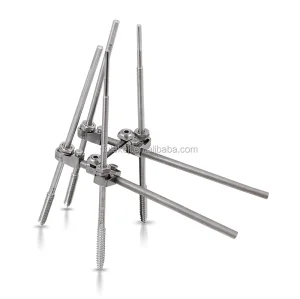
High-precision orthopedic instruments, surgical power tools, and spinal fixation assemblies for global medical institutions.
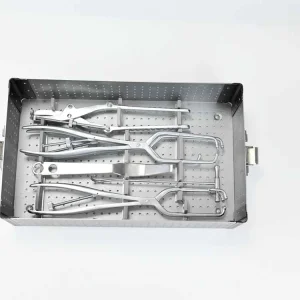
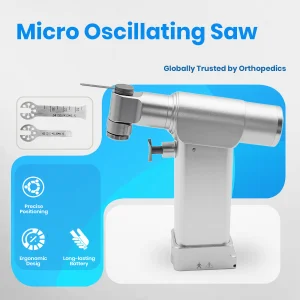
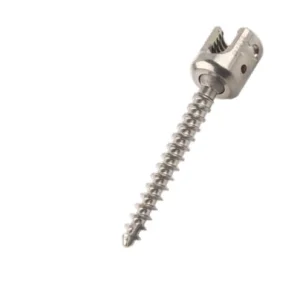
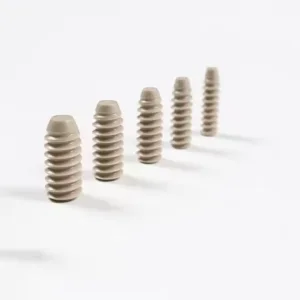
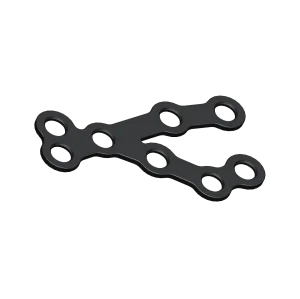
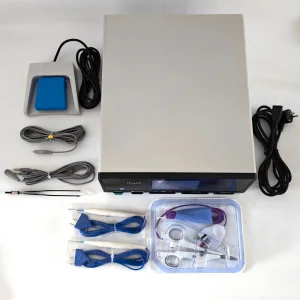
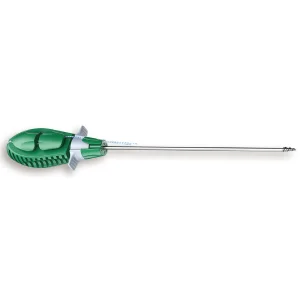
Critical procurement, material specifications, and regulatory compliance queries answered by our technical staff.
A: We construct our implants using premium medical-grade Titanium Alloy (specifically Ti-6Al-4V ELI conforming to ASTM F136 / ISO 5832-3) and Ultra-High Molecular Weight Polyethylene (UHMWPE) or PEEK polymers for joint/sports medicine components. We verify raw materials through mechanical testing and chemical analysis, supplying Mill Test Certificates (MTC) and biocompatibility reports (ISO 10993 compliance) for every shipment.
A: We provide full technical dossier support, including ISO 13485:2016 quality certificates, CE certificates, declarations of conformity, sterile validation studies, and clinical evaluation files. Our regulatory team has 8 years of experience assisting registration processes in Europe, Latin America, Southeast Asia, and the Middle East.
A: Standard items are dispatched within 15–30 days depending on stock. For custom manufacturing (OEM/ODM based on drawings or reverse engineering), prototyping takes approximately 20–30 days, followed by 45 days for manufacturing and cleanroom packaging after prototype approval.
A: Implants undergo strict fatigue, bending, and torsional testing to replicate human physiological load cycles. These are performed on advanced dynamic testers to ensure compliance with ASTM F543 (for medical bone screws) and ASTM F382 (for bone plates) standards before regulatory submission.
A: We support both formats. Implants can be shipped sterile in Tyvek blister packs (validated via EO or Gamma irradiation processes) or non-sterile, requiring autoclave processing by hospital units prior to clinical use.