Axiora Medical
Axiora Medical
Axiora Medical
High-performance trauma configurations optimized for rapid assembly, absolute construct stability, and post-operative precision.
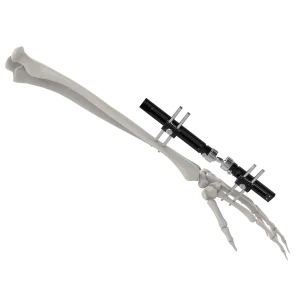
Underpinned by rigorous engineering validations, advanced robotics, and multi-tier regulatory compliance protocols.
Seoul stands as one of the world's most advanced metropolitan medical hubs. Boasting prestigious clinical institutions like the Seoul National University Hospital (SNUH), Asan Medical Center, and Severance Hospital, the city sets a high bar for orthopedic and trauma medical devices. Modern external fixation systems—ranging from unilateral constructs to complex multiplanar ring fixators—are vital in managing complex open fractures, limb length discrepancies, non-unions, and severe correction deformities. However, supplying this demanding market requires more than just meeting basic manufacturing standards; it demands adherence to the highest biomechanical parameters, rigorous regulatory testing, and prompt supply chain agility.
The biomechanical landscape of external fixation has shifted from rigid, heavy-weight steel stabilizers to dynamically adjustable, radiolucent, and lightweight modular assemblies. Modern trauma clinics in Seoul emphasize minimal disruption of the local periosteal blood supply. Research indicates that dynamic axial micromotion under controlled physiological loads accelerates callus formation and shortens overall healing times. Consequently, contemporary designs utilize Grade 5 ELI Titanium (Ti-6Al-4V) and high-performance carbon fiber materials. These components minimize construct mass while ensuring radiolucency, allowing surgeons to monitor cortical healing via clean radiological profiles without artifact interference.
Global procurement directors and orthopedic distributors serving Seoul demand absolute material and structural traceability. In orthopedic surgery, a single mechanical failure can lead to catastrophic implant instability, non-union, or pin-tract infections. To secure hospital contracts and pass strict evaluations by South Korea's Ministry of Food and Drug Safety (MFDS), every external fixator component—including raw bars, rods, clamps, and pins—must be traced directly to its metallurgical source. The supply chain must guarantee compliance with international standards such as ASTM F136 and ISO 5832-3, ensuring that fatigue life, tensile strength, and biocompatibility are validated by independent accredited laboratories.
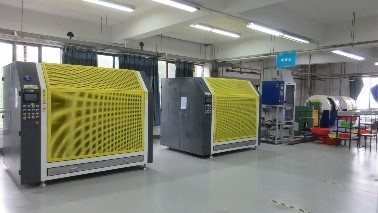
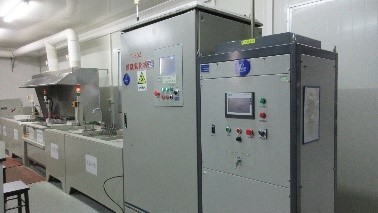
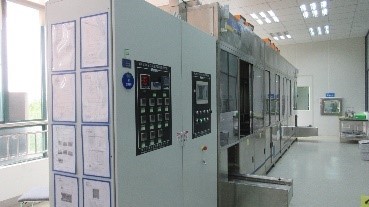
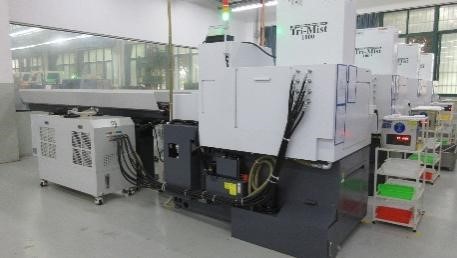
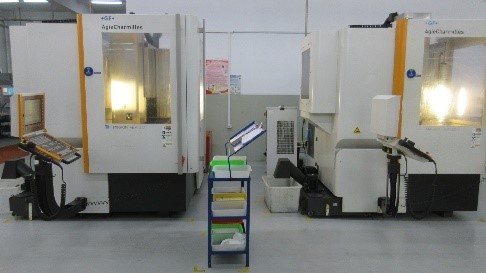
The integration of Industry 4.0 paradigms in orthopedic manufacturing enables the production of high-end surgical devices that remain cost-competitive. By utilizing automated Swiss-type longitudinal cutting lathes, multi-axis CNC milling machines, and fully automated anodizing lanes, manufacturers minimize manual operational errors. This automated architecture ensures that tolerances are consistently maintained within the micron level (±0.005mm). Furthermore, integrating raw material quality inspection, inline robotic testing, and computerized Coordinate Measuring Machine (CMM) verification mitigates the risk of structural variance. This industrial rigor translates to consistent clinical performance, providing trauma surgeons in Seoul with reliable instruments for complex surgeries.
Fabricated from ASTM F136 Ti-6Al-4V ELI & ISO 5832-3 medical-grade titanium, ensuring excellent cytocompatibility, tissue integration, and corrosion resistance.
Engineered to endure millions of load cycles without mechanical fatigue. Components undergo extensive finite element analysis (FEA) and physical stress testing.
Highly customizable configuration options that seamlessly integrate with standard pin clamps, ring assemblies, and bone transport constructs.
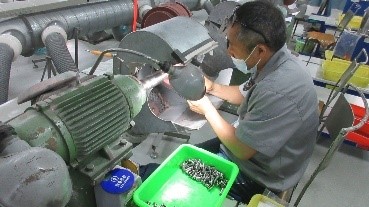
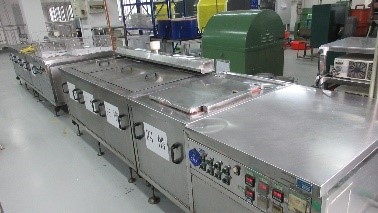
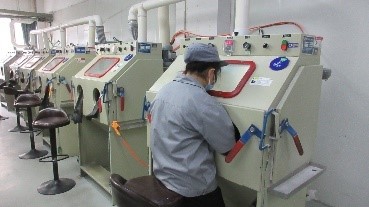
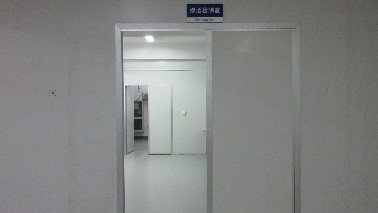
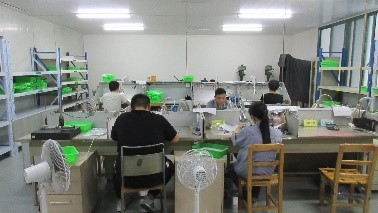
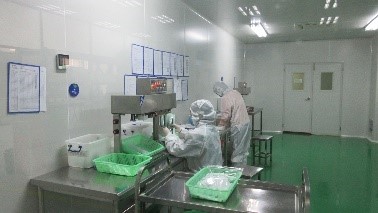
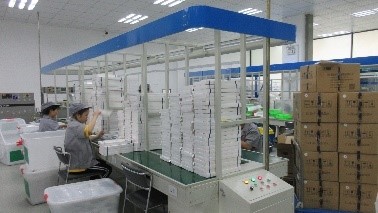
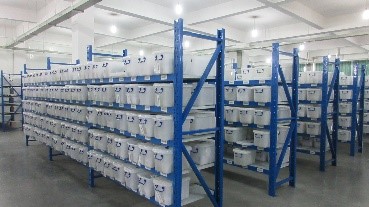
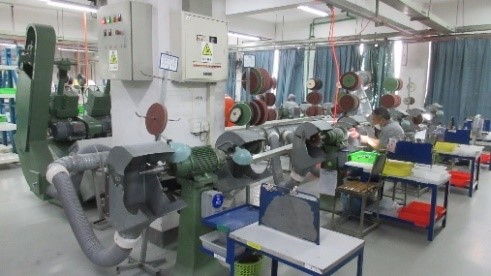
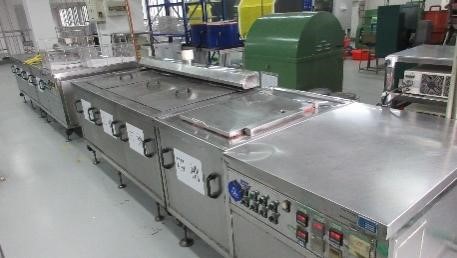
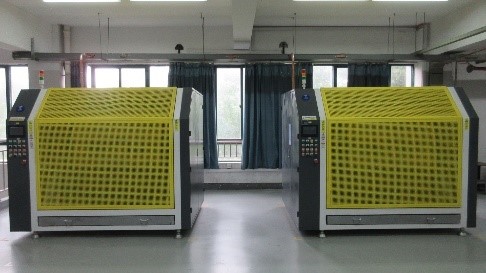
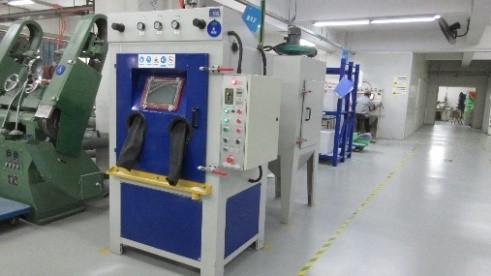
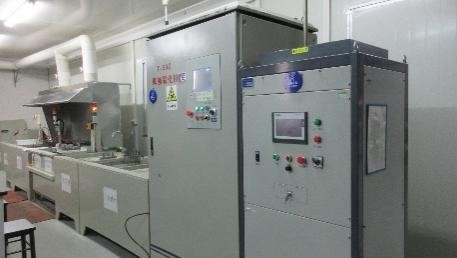
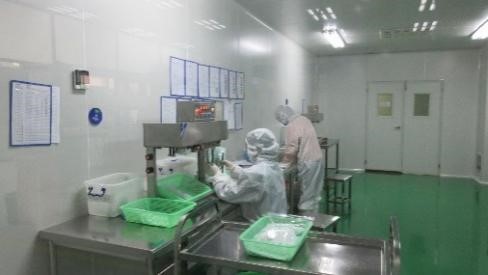
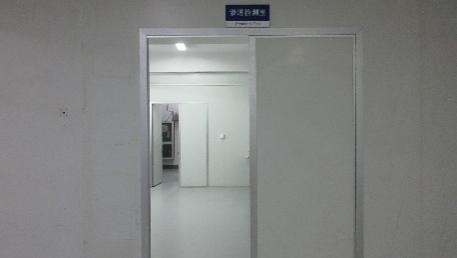
From raw medical-grade material bars to class 100,000 aseptic cleanroom packaging: a step-by-step display of our modern production ecosystem.
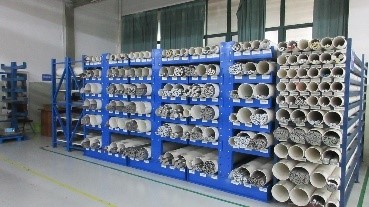
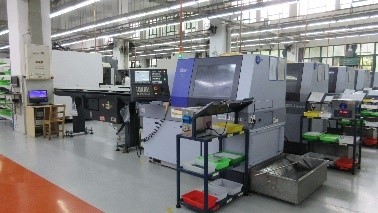
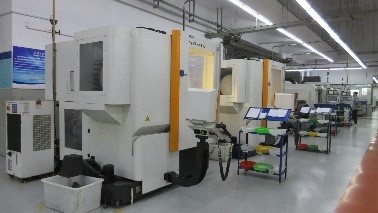
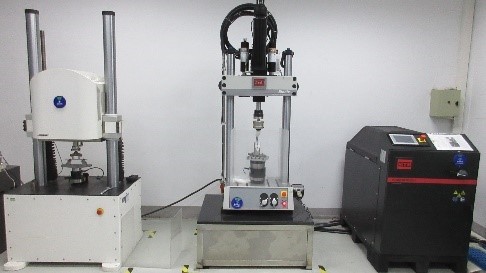
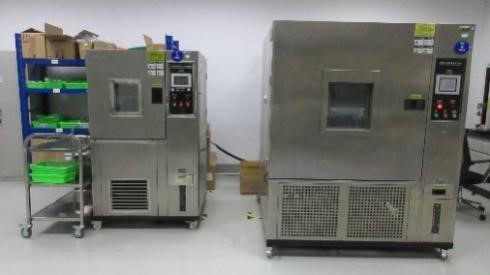
| Evaluation Parameter | Technical Specification Details |
|---|---|
| Company Name | Axiora Medical Technology (China) Co., Ltd. |
| Manufacturing Experience | 15 Years Industry Experience | 8 Years Specialized Exporting Operations |
| Factory Footprint | 18,600 m² state-of-the-art production site |
| Annual Export Capacity | USD 26 Million across international markets |
| Quality Control Personnel | 48 Dedicated QC Engineers executing 100% finished product inspections |
| Standard Inspection Arrays | Coordinate Measuring Machine (CMM), Tensile Fatigue Testing, Hardness Testing, Roughness Inspection, Salt Spray Chambers |
| R&D Backbone | 86 Research Engineers | 126 New Product Lines released annually |
| Customization Capabilities | Full OEM/ODM support, custom laser etching, customized aseptic packaging, biocompatible material selection |
| Key Export Markets | Europe, North America, Middle East, Southeast Asia (including direct support to South Korea) |
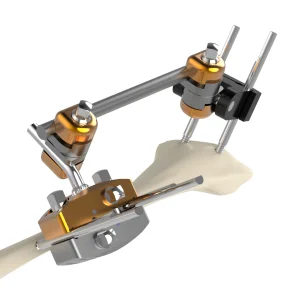
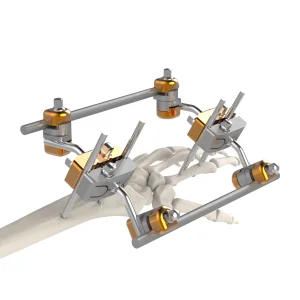
Comprehensive orthopedic solutions designed to address complex clinical scenarios in Seoul hospitals, from animal models to human extremity stabilization.
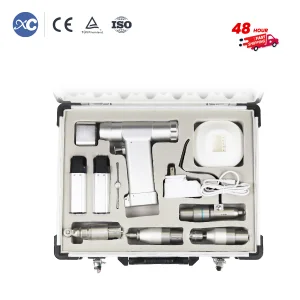
Technical and logistical insights for procurement departments, surgeons, and medical device importers in South Korea.
Our raw materials strictly follow ASTM F136 and ISO 5832-3. We run in-house mechanical testing programs utilizing dynamic fatigue testing machines and chemical analysis testing. Axiora is ISO 13485 certified, and our key trauma implant sets hold CE marks, validating their suitability for clinical placement globally, including within leading South Korean hospitals.
Yes, we operate an independent, highly equipped R&D division containing 86 engineers. We provide full-scope customization based on specific mechanical blueprints, native CAD models, or custom design requests. This includes customized length and diameter configurations for external fixator rods, specialized pin placement clamps, and custom-etched branding for corporate medical device buyers.
Each batch of raw material is cataloged with a mill test certificate. Throughout the CNC lathe processing, mechanical verification, polishing, anodization, and aseptic cleaning stages, barcode tracing is applied. Final products receive laser-etched batch numbers, allowing global distributors to trace the physical implant back to its raw material ingot, fulfilling strict regulatory guidelines required by South Korea's MFDS.
We work directly with established custom clearance agencies to ensure seamless delivery to South Korea. Products can be ordered non-sterile in bulk packaging or pre-sterilized in Class 100,000 cleanroom-sealed blister packaging ready for clinical sterilization procedures. Typical air shipping transit times from our manufacturing facilities to Incheon International Airport are between 3 to 5 business days, backed by full documentation (packing list, commercial invoice, certificate of conformance).
Pin-tract infection is heavily influenced by dynamic instability between the bone and pin interface. Our precision-engineered clamps use a mechanical locking interface that prevents micro-slippage of the rod relative to the bone pins. Combined with smooth, electrolytically passive surfaces on our surgical pins, this minimizes soft-tissue shear forces, drastically reducing the clinical risk of pin-tract colonization.