Axiora Medical
Axiora Medical
Axiora Medical
Pioneering anatomical locking systems engineered for superior biomechanical stability and accelerated bone healing.
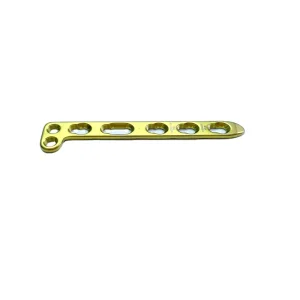
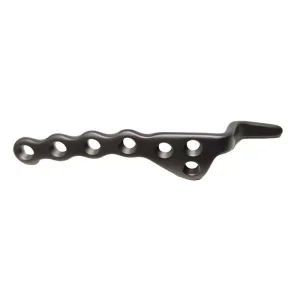
Critical clinical demand meets strict regulatory guidelines: A comprehensive analysis of trauma device sourcing in the Kiwi healthcare sector.
In New Zealand, the delivery of orthopedic care operates within a unique and highly structured environment. Public healthcare, unified under Health New Zealand (Te Whatu Ora), and private surgical groups require the highest standards of safety, biological compatibility, and biomechanical efficacy. Orthopedic trauma implants, such as locking plates and compression screws, play a pivotal role in the recovery pathways of thousands of Kiwis annually, particularly due to the country’s high participation in outdoor sports, agricultural work, and adventure tourism.
A distinctive feature of the New Zealand orthopedic trauma ecosystem is the Accident Compensation Corporation (ACC). As a single-payer, no-fault personal injury cover scheme, the ACC funds a substantial portion of orthopedic trauma procedures. This economic framework shifts the procurement focus towards long-term clinical efficiency and value. Implants must not only facilitate predictable union in complex fractures but also minimize secondary revision surgeries, which place an undue financial burden on the public purse.
Regulatory compliance is managed through the Medsafe WAND (Web Assisted Notification of Devices) database. For offshore manufacturers to successfully serve New Zealand hospitals, they must ensure complete alignment with ISO 13485 standards, maintain Class III medical device approvals, and provide transparent raw material traceability (typically medical-grade titanium alloy ASTM F136 or cobalt-chromium). Consequently, procurement directors at major District Health Boards (DHBs) and private hospital chains like Southern Cross Health are increasingly looking to advanced direct-to-factory partnerships to reduce middleman markups while maintaining clinical excellence.
All imported orthopedic trauma plates, screws, and instruments must be notified under the Medsafe WAND framework. Rigorous technical documentation and European CE/US FDA clearance equivalence are key components of acceptance.
With ACC funding a significant portion of trauma interventions, manufacturers must demonstrate cost-effective quality. Minimizing revision rates through anatomical fit is critical to winning New Zealand public tenders.
By bypassing traditional localized distribution monopolies, public health networks and private surgical clinics in Auckland, Wellington, and Christchurch can achieve massive cost savings via direct-to-manufacturer agreements.
Targeted anatomical solutions specifically matched to common orthopedic trauma presentations across New Zealand clinics.
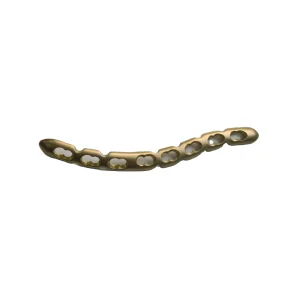
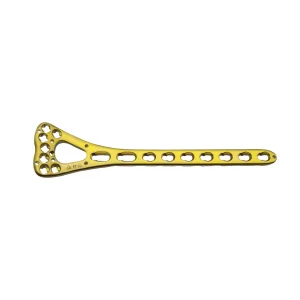
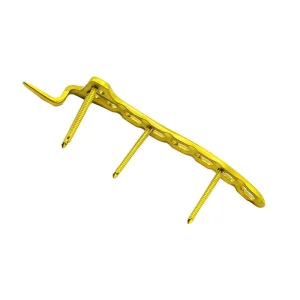
New Zealand’s unique lifestyle and geographical features shape its trauma epidemiology. Extreme and high-impact sports—ranging from snowboarding in Wanaka to downhill mountain biking in Rotorua and rugby across the provinces—generate a significant load of high-energy upper extremity trauma. Clavicle and distal radius fractures are exceptionally common. The integration of 3.5mm anatomical locking plates that contour closely to the bone’s native morphology minimizes soft-tissue disruption and speeds up recovery, returning patients to daily function much faster.
Furthermore, New Zealand's massive agricultural and forestry sectors present occupational hazards resulting in heavy crush injuries and complex, comminuted distal tibia or proximal femur fractures. Managing these injuries requires robust, load-bearing implants that maintain fracture alignment under extreme conditions. Direct manufacturer sourcing gives surgeons and healthcare providers access to diverse plate configurations, including multiaxial screw insertion options, which allow customizable angular stability for osteoporotic bone or complex articular reconstructions.
Combining advanced CNC micro-machining, ISO 13485 sterile packaging, and extreme cost-efficiency to deliver value to New Zealand distributors.
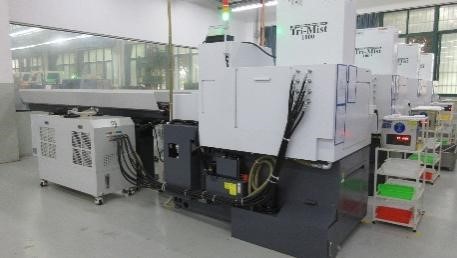
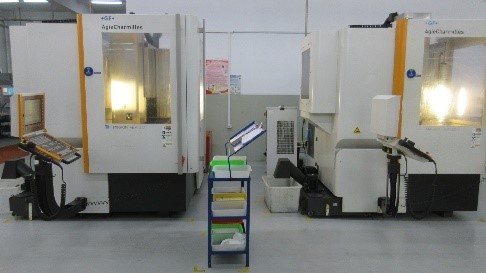
In the global medical device sector, China has transitioned from a basic manufacturing hub to a leader in precision medical engineering. At Axiora Medical Technology (China) Co., Ltd., our advanced production floor combines Swiss longitudinal cutting lathes and multi-axis CNC machines to achieve tolerances as low as ±0.005mm. For New Zealand healthcare groups, partnering with a primary manufacturer in China offers the ideal combination of clinical safety and cost-efficiency, eliminating markups of up to 300% commonly charged by European and North American multinational corporations.
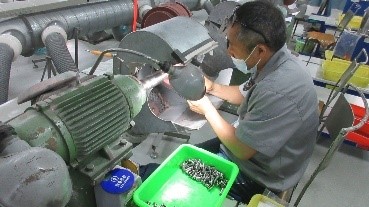
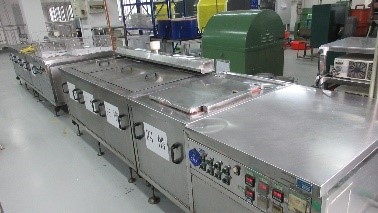
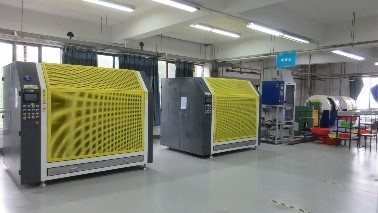
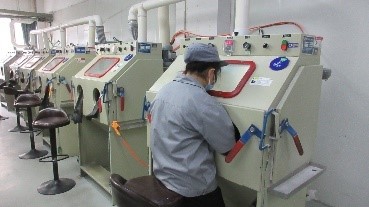
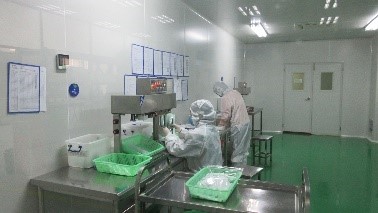
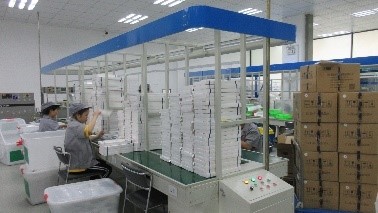
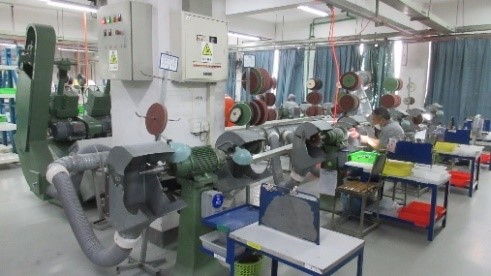
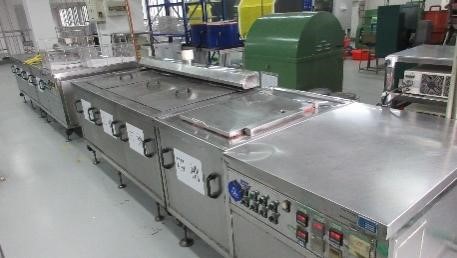
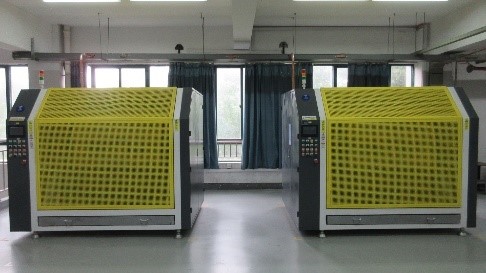
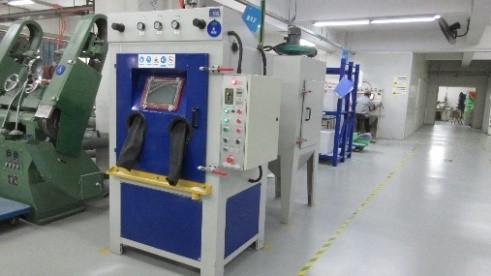
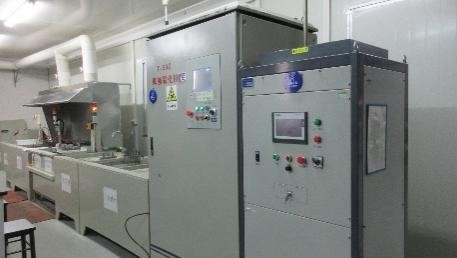
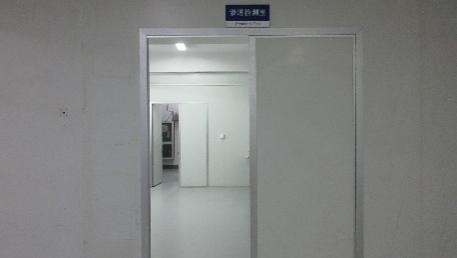
Axiora’s manufacturing workflow is structured around clinical safety and full material traceability. We start with certified raw materials (ASTM F136 medical-grade titanium alloy and ISO-standard stainless steel) and manage every stage in-house. Our process includes automated ultrasonic washing, advanced surface sand-blasting and Type II anodizing, non-destructive penetrant testing, and aseptic double-sterile packaging in a Class 100,000 cleanroom. This rigorous protocol ensures every locking plate and compression screw arrives ready for the operating room, meeting the high standards required by New Zealand’s clinical auditors.
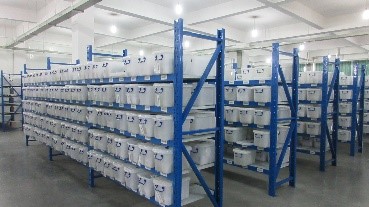
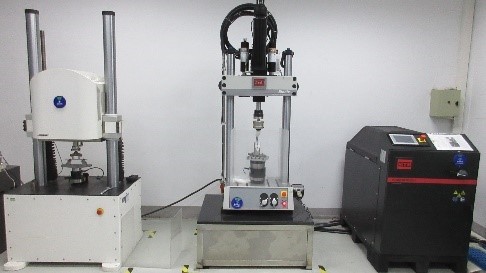
Visual insight into our end-to-end precision manufacturing steps, from raw titanium testing to cleanroom sterile packaging.
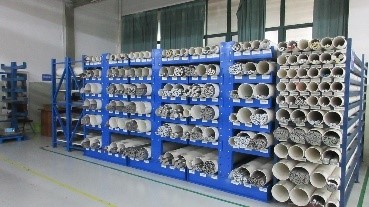
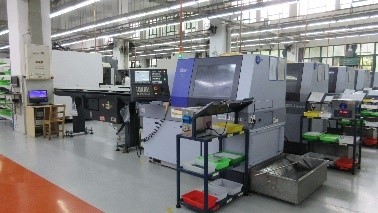
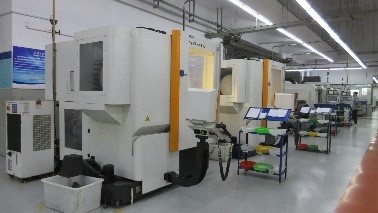
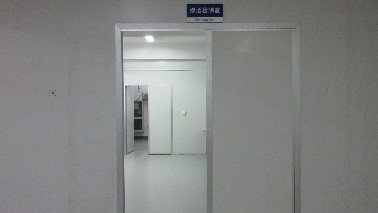
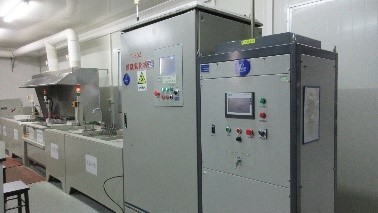
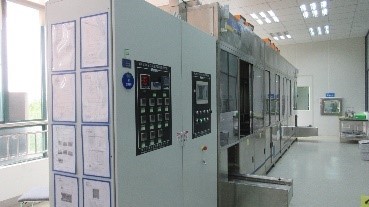
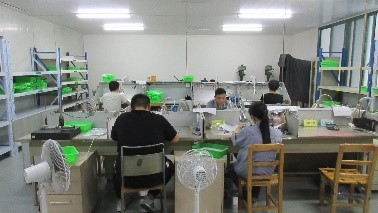
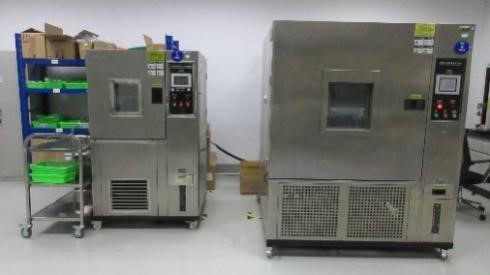
Verified organizational profiles, capabilities, testing methods, and operational structures matching global procurement guidelines.
Axiora Medical Technology (China) Co., Ltd. is a professional manufacturer specializing in the research, development, production, and global supply of high-quality orthopedic implants and surgical instruments. Our product portfolio covers trauma fixation systems, spinal implants, joint reconstruction solutions, sports medicine products, and related orthopedic surgical instruments.
Established with a commitment to innovation and precision manufacturing, Axiora integrates advanced CNC machining, automated production lines, and strict quality management systems to deliver reliable products that meet international standards. Our experienced engineering team continuously develops innovative solutions to support surgeons and healthcare providers worldwide. With strong OEM and ODM capabilities, we provide customized manufacturing services according to customers' drawings, samples, and technical requirements.
| Operational Spec Item | Axiora Factory Certified Details |
|---|---|
| Company Name | Axiora Medical Technology (China) Co., Ltd. |
| Brand Label | Axiora / Geasure Series |
| Official Web Address | www.axioraortho.com |
| Established Year | 2017 |
| Factory Footprint Area | 18,600 m² |
| Annual Export Revenue | USD 26 Million |
| Export Phase History | 8 Years |
| Orthopedic Industry Experience | 15 Years |
| Quality Inspection Threshold | 100% Finished Product Inspection & Incoming Material Verification |
| Precision Testing Apparatus | Coordinate Measuring Machine (CMM), Tensile Strength Testing, Rockwell Hardness Testing, Surface Roughness Profiling, Salt Spray Corrosion Chamber |
| Assigned Quality Control Staff | 48 Specialists |
| Business Classification | Contract Manufacturer & Exporter (OEM/ODM/OBM) |
| Dominant Export Markets | Europe, North America, Middle East, Oceania (New Zealand & Australia), South America |
| Supply Chain Partnerships | 1,120 global entities |
| Client Demographics Served | Medical Device Brand Owners, Importers, Licensed Distributors, Public & Private Hospital Procurement Groups, Government Health Tenders |
| R&D Capability | Independent Product Development, Reverse Engineering, CAD/CAM Prototyping, Custom Instrument Customization |
| Customization Scope | Laser Etching, Custom Anodization Colors, Sterile Barcode Packaging, Instrument Box Design, ASTM Alloy Variation |
| New Designs Released Last Year | 126 designs |
| Active R&D Biomedical Engineers | 86 Engineers |
Fully compliant internal fixation components designed for clinical efficiency, osseointegration, and surgical predictability.
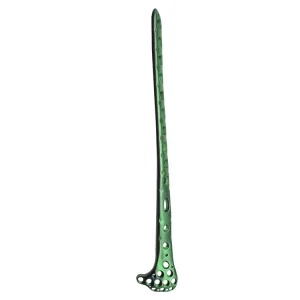
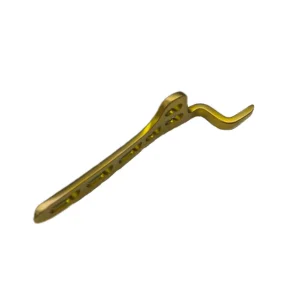
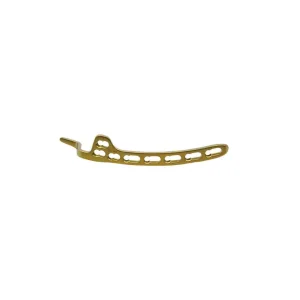
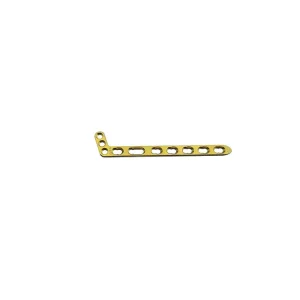
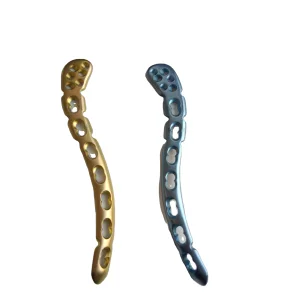
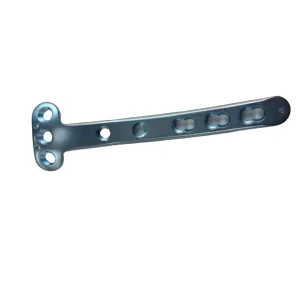
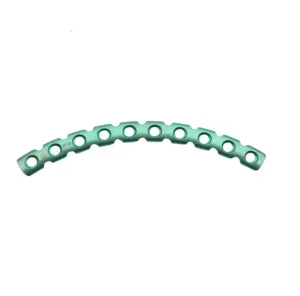
How clinical innovation, manufacturing automation, and custom product development shape the future of orthopedic trauma surgery.
The orthopedic implant industry is undergoing rapid technical evolution. Modern trauma surgery demands implants that provide dynamic compression, maintain stability, and limit interference with local blood supply. This clinical need has driven the adoption of anatomically pre-contoured plates. Unlike older generation flat plates that required manual bending in the operating theater—increasing surgical time and creating mechanical weak points—anatomical plates are designed using average bone morphology databases to fit the patient's skeletal structure out of the box.
Another major trend is the refinement of locking screw mechanisms. Combining locking and dynamic compression holes in a single plate allows surgeons to choose between rigid angular stability and compression based on the fracture pattern. In osteoporotic patients, who represent an increasing demographic in New Zealand due to an aging population, locking screws reduce the risk of implant pull-out, significantly improving outcomes for proximal humeral and proximal femoral fractures.
Material science is also progressing. Grade 5 titanium alloy (Ti-6Al-4V) remains the material of choice due to its high strength-to-weight ratio and low elastic modulus, which reduces stress shielding. Modern manufacturing processes are also incorporating advanced surface treatments, such as Type II anodization, to improve fatigue resistance, and micro-texturing to encourage cell adhesion, accelerating recovery at the bone-implant interface.
Variable angle locking screws allow clinical teams to adjust locking screw trajectories, securing fragments and preventing joint instability in complex, multi-fragment fractures.
Our Type II anodization and advanced sand-blasting procedures improve fatigue strength, reduce cold-welding between plates and screws, and facilitate easier removal if needed.
Using reverse engineering, CAD design, and fast CNC prototyping, we produce custom implant configurations and instruments matching specific hospital and surgeon requests.
Ensuring supply chain reliability, Medsafe documentation support, and streamlined logistics from manufacturing floor to local distributor.
Hospital procurement managers in Auckland, Christchurch, and regional centers face a key challenge: balancing cost containment with immediate inventory availability. Orthopedic trauma surgery is unpredictable, requiring a wide range of plate lengths, screw sizes, and specialized instrumentation. Axiora addresses this by offering flexible manufacturing runs and reliable logistics, ensuring New Zealand distributors can maintain ideal stock levels without excessive capital commitments.
We supply both sterile-packaged implants—ideal for facilities aiming to reduce sterilization labor and carbon footprint—and non-sterile bulk implants designed for standard surgical trays. Every shipment is accompanied by complete documentation, including raw material certificates (MTRs), ISO 13485 certification, and manufacturing inspection logs, simplifying the Medsafe WAND registration process. Additionally, our experienced export division handles customs clearance and international air freight, ensuring deliveries arrive in New Zealand within 7 to 10 working days.
Answers to key regulatory, material, and manufacturing questions for distributors and procurement directors in the New Zealand orthopedic market.