 Axiora Medical
Axiora Medical
Axiora Medical
Designed for clinical excellence in joint reconstruction, internal fracture fixation, and osteosynthesis correction, our top trauma locking plates feature anatomical contouring and specialized dynamic compression pathways.
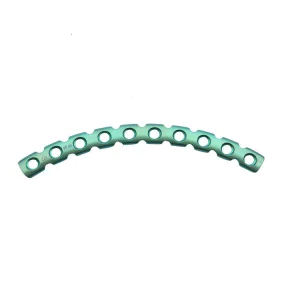
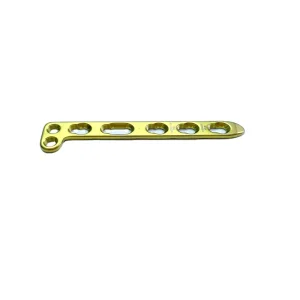
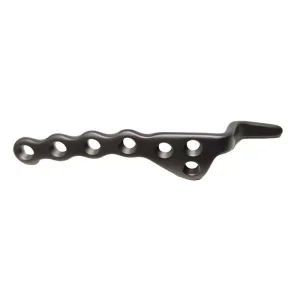
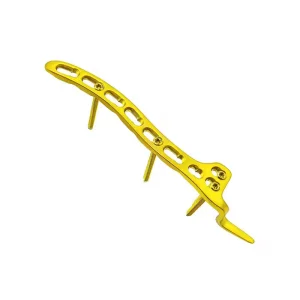
As the industrial heart of Japan, Nagoya (Aichi Prefecture) stands as a global hub for ultra-high precision aerospace, automotive engineering, and metallurgy. The local industrial ecosystem possesses unparalleled expertise in multi-axis CNC micro-machining, precision surface coatings, and material optimization. At Axiora Medical Technology, we bridge this advanced precision engineering ethos with global orthopedic clinical demands. Trauma fixation requires implants that exhibit not just strength, but biomechanical harmony with human skeletal structures.
Modern orthopedic traumatology has evolved past static compression. The current clinical standard emphasizes anatomical, dynamic locking systems that match bone contouring to reduce intraoperative bending, while preventing screw-backing under high cyclical load profiles. Whether managing comminuted articular fractures of the distal radius or instability in proximal femur reconstructions, our surgical titanium alloy (Ti-6Al-4V ELI) implements exhibit optimized elasticity modules and superior passivation layers to prevent cold-welding and mechanical fatigue failure.
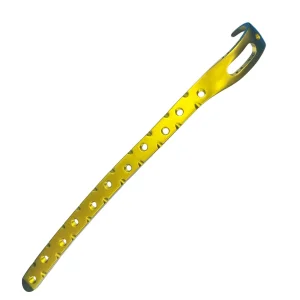
Optimized for physiological load transfer, these implants incorporate polyaxial locking mechanics, allowing targeted angle insertion to securely fix fragment gaps in clavicle, radial, and multi-axial joint fractures.
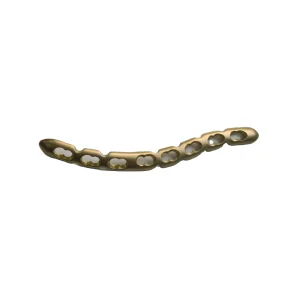
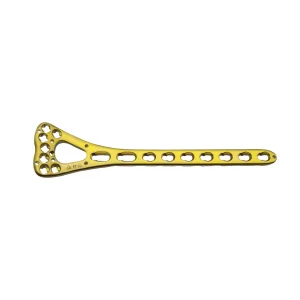
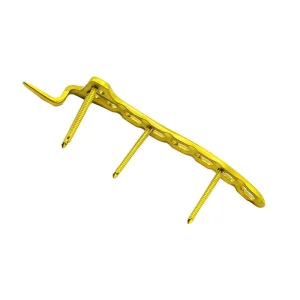
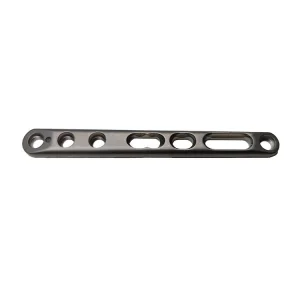
Axiora Medical Technology integrates an end-to-end traceably verified production loop. Our orthopedic implants are fabricated using premium medical raw titanium profiles, undergoing automated longitudinal cutting, Swiss-type CNC milling, surface finishing, passivation, and class 10,000 ISO cleanroom aseptic packing. Explore each precise phase below.
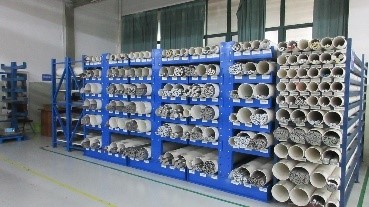
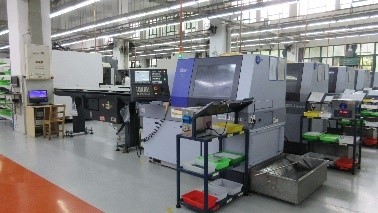
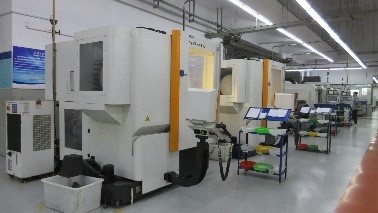
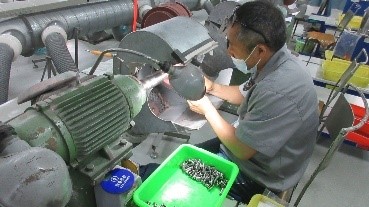
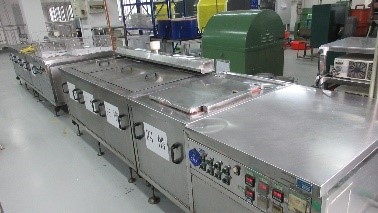
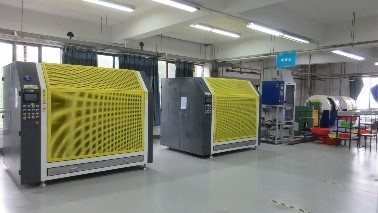
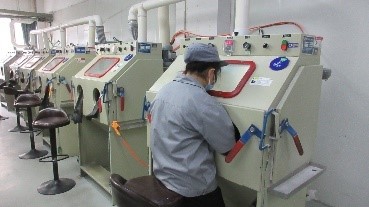
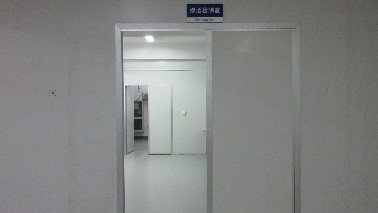
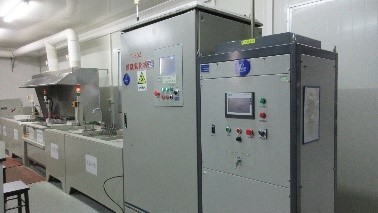
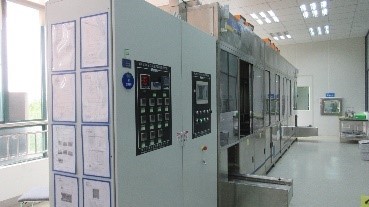
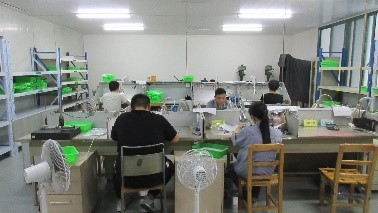
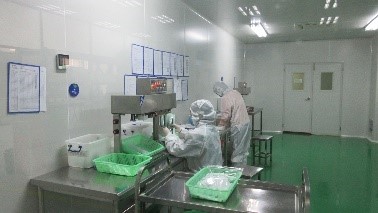
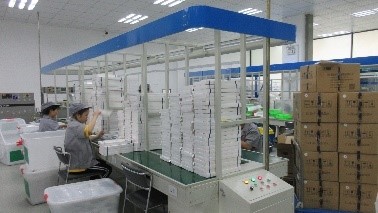
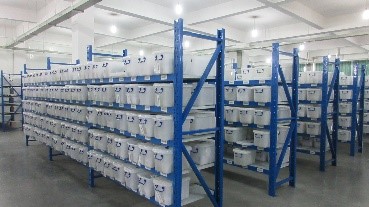
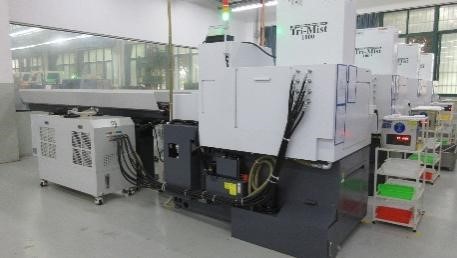
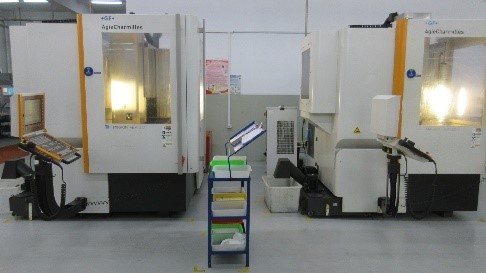
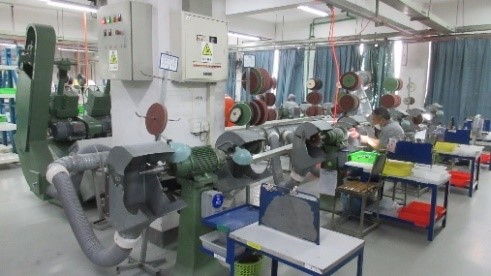
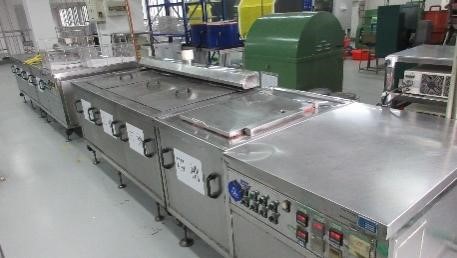
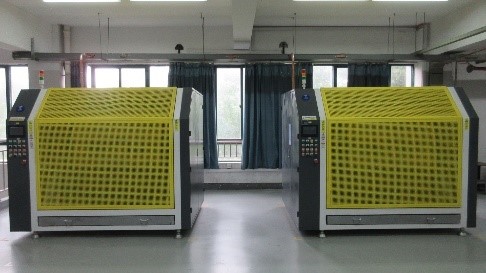
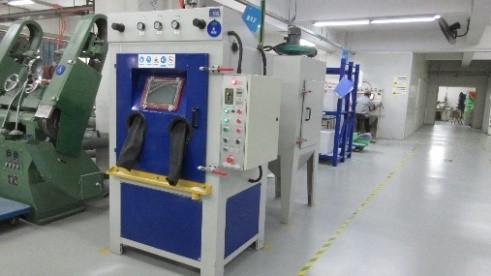
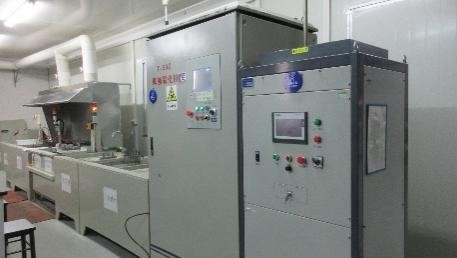
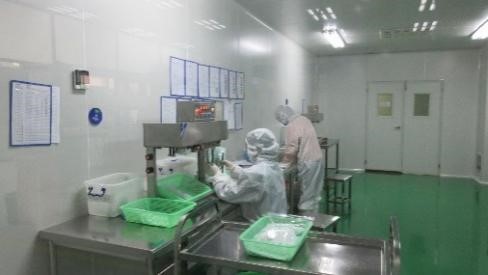
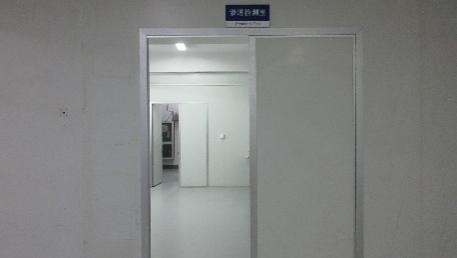
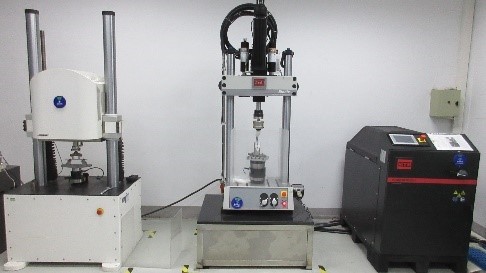
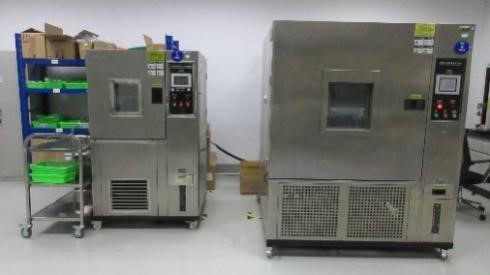
Axiora Medical Technology (China) Co., Ltd. is an ISO 13485 certified manufacturer dedicated to the research, development, production, and global export of high-caliber orthopedic implants and specialized surgical instruments. Serving medical device brand owners, public health tenders, and clinical networks across Nagoya, greater Japan, and globally.
Our comprehensive production footprint integrates raw titanium extrusion control, multi-axis automated CNC milling systems, and electro-chemical color anodization to assist surgical teams in structural identification. With powerful OEM and ODM manufacturing capabilities, we formulate trauma locking systems tailored strictly to customer-provided CAD blueprints, materials matrices, and clinical dimensions.
| Corporate Capability Indicator | Strategic Specifications |
|---|---|
| Corporate Entity | Axiora Medical Technology (China) Co., Ltd. |
| Manufacturing Facility Area | 18,600 m² cleanroom integrated facilities |
| Annualized Export Value | USD 26 Million |
| Industry Experience | 15+ Years Medical Machining / 8 Years Export Operations |
| Quality Control Protocol | 100% finished parts validation, traceable materials matrix |
| Inspection Infrastructure | Coordinate Measuring Machines (CMM), Hardness, Roughness, Fatigue Testers |
| Design & Engineering | 86 R&D Engineers, independent reverse engineering, multi-axis CNC CAM simulation |
| Regulatory Pipeline | ISO 13485, CE, Class III Surgical Material Approvals |
In Nagoya's elite metalworking ecosystem, precision is quantified down to the micron. For biological implants, surface morphology is key to patient recovery. Orthopedic trauma plates are subject to the hostile electrochemical environment of human body fluids. Consequently, our implants utilize medical-grade titanium (Grades 4 and 5 ELI) which undergoes electrochemical anodization. This creates an bio-inert titanium oxide layer that acts as a physical barrier to galvanic corrosion and minimizes metallosis.
Furthermore, our screws undergo double-lead thread carving to accelerate surgical insertion speed. For intra-articular fractures, locking plates must offer absolute stability. If the plate contour does not perfectly match the bone, the plate is subject to mechanical stresses that lead to micro-motion and implant failure. To address this, Axiora's engineering division utilizes advanced multi-axis deformation simulations to build pre-contoured bone plates. This minimizes structural fatigue and promotes primary bone healing under steady compression.
Pre-shaped profiles customized for regional populations to reduce intraoperative bending requirements.
Manufactured to strict biocompatibility protocols, validating sterility, packaging integrity, and raw material purity.
Full material lot records from raw titanium ingot testing to final sterile package out-gassing inspections.
Designed for trauma surgery teams worldwide, our core catalog offers high anatomical stability across long bones, joints, and micro-fragment repairs.
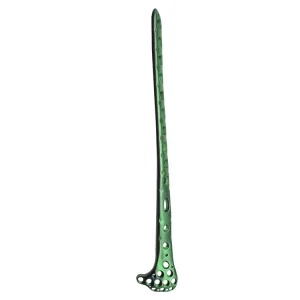
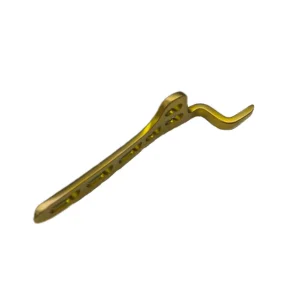
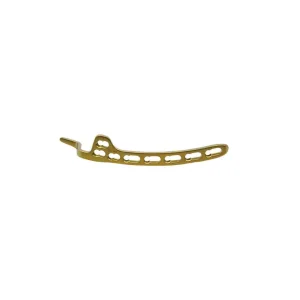
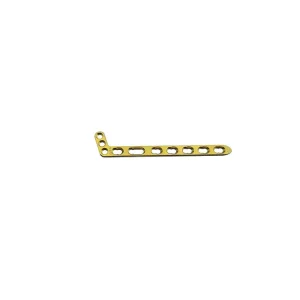
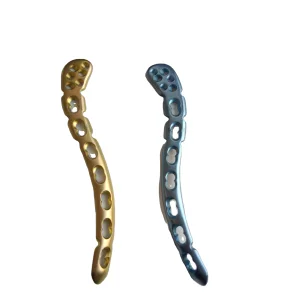
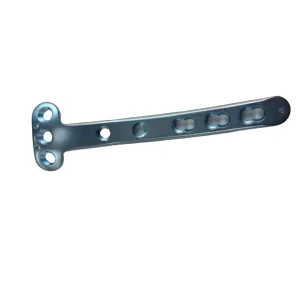
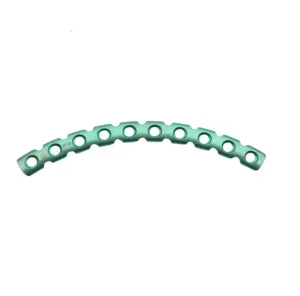
Procuring orthopedic implants involves balancing clinical demands with regulatory requirements. Hospitals, government ministries, and medical device distributors require partners who understand cleanroom processes and supply chain logistics. Axiora provides OEM and ODM solutions to meet these challenges. Whether you need custom markings or specific plate geometries for regional anatomies, our team can deliver.
Every batch of trauma plates we produce undergoes strict mechanical verification, including fatigue limit testing, coordinate mapping check (CMM), and roughness analysis. By managing the manufacturing process from raw ingots to sterile packaging, we maintain quality controls that comply with international regulatory standards. Axiora coordinates closely with global medical distributors to streamline documentation and shipping processes.
The field of orthopedic traumatology is shifting from mechanical fixation toward biological healing systems. Key developments include surface modifications that improve osteo-integration and customizable titanium structures. At Axiora, we track these industry trends to keep our manufacturing capabilities current.
Our R&D efforts focus on optimizing lock mechanics to minimize plate profiles while maintaining mechanical strength. We are also refining surface treatments, such as controlled anodization and sandblasting, to balance bone anchorage with ease of eventual implant removal. By investing in multi-axis CNC systems and advanced testing equipment, we help ensure our products support positive patient outcomes.
Partner with an established manufacturer to source high-precision, ISO-certified trauma implants. Our engineering team is ready to review your project designs, technical specifications, and delivery requirements.