Axiora Medical
Axiora Medical
Axiora Medical
Engineered for high mechanical pull-out strength, bio-inert stability, and anatomical alignment to accelerate post-injury athletic recovery.
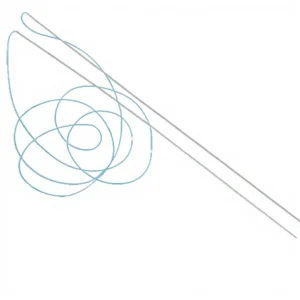
Australia’s orthopedic healthcare landscape is globally recognized for its uncompromising safety indices and rigorous therapeutic evaluations. Managed by the Therapeutic Goods Administration (TGA), medical devices entering the Australian market must align with high-tier classification benchmarks. Orthopedic implants, particularly those classified as Class III or Class IIb Active/Implantable medical devices (such as PEEK suture anchors, non-absorbable surgical loops, and bio-composite fasteners), must possess robust technical files demonstrating excellent biocompatibility, mechanical durability under shear stress, and pristine sterilization validation.
With a culture deeply anchored in competitive athletics, outdoor fitness, and active contact sports (such as Australian Rules Football - AFL, Rugby League, and Netball), the clinical prevalence of soft tissue injuries, anterior cruciate ligament (ACL) ruptures, and rotator cuff degeneration is statistically significant in Australia. This trend generates an urgent, high-volume requirement for durable, minimally invasive reconstruction options. Clinicians demand bone-anchoring systems that ensure primary stability, facilitate rapid osseointegration, and minimize revision rates.
Ultra-low degradation profile conforming to ISO 10993 cytotoxicity and biological assessment standards.
Tested pull-out force metrics that exceed average human physical physiological demands under peak athletic stress.
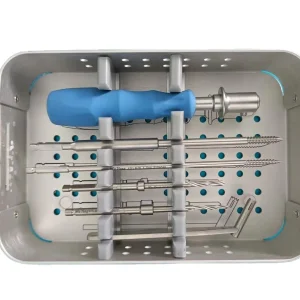
Optimal instrument-implant configuration compatibility designed to minimize intraoperative adjustment time.
Axiora Medical focuses on two primary materials that define the modern frontier of sports medicine implants: Medical-Grade PEEK (Polyetheretherketone) and Titanium Alloys (Ti-6Al-4V ELI). PEEK is highly regarded for its elasticity modulus, which closely mirrors cortical bone, reducing stress-shielding effects and allowing for clearer postoperative MRI assessments.
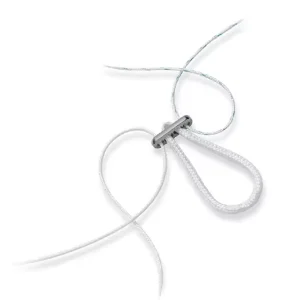
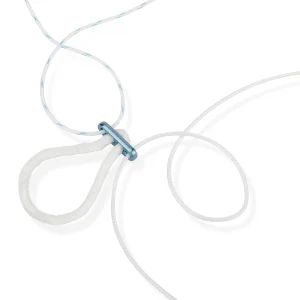
Titanium continues to be the preferred choice for applications requiring structural rigidity and primary stability. Our proprietary anodizing process forms a stable oxide layer that prevents ion release while promoting cellular adhesion. By combining these advanced material properties with ultra-high-molecular-weight polyethylene (UHMWPE) sutures, Axiora provides Australian orthopaedic surgeons with implants that reliably secure tendon-to-bone junctions during early rehabilitation phases.
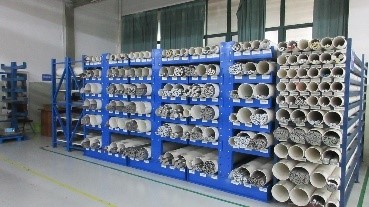
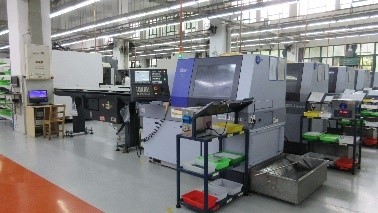
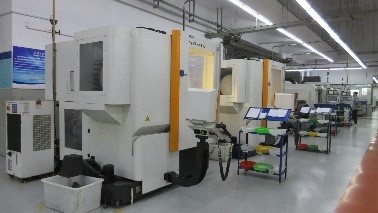
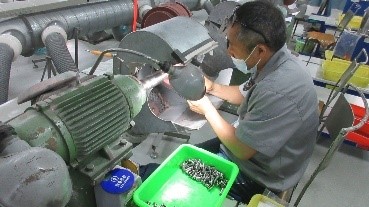
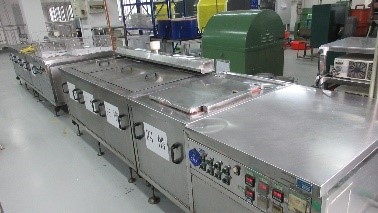
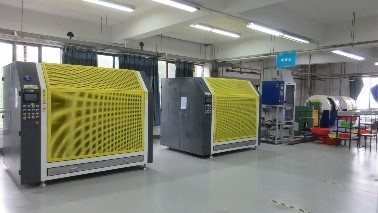
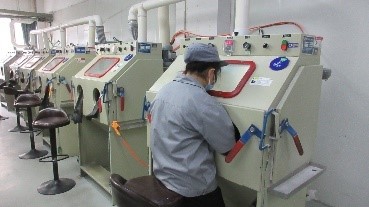
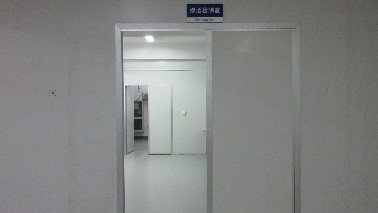
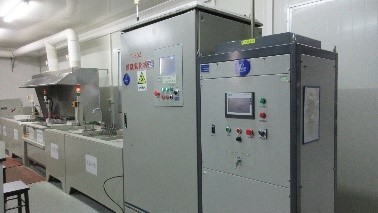
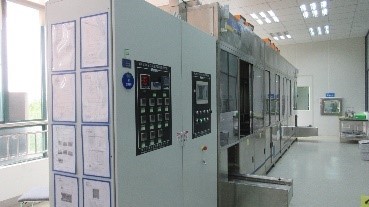
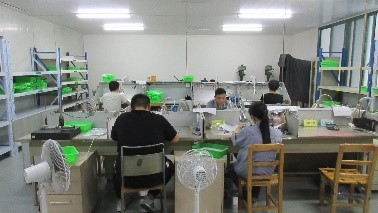
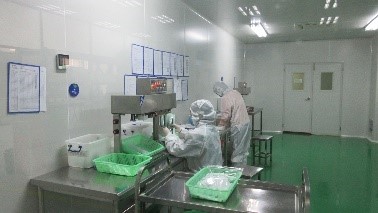
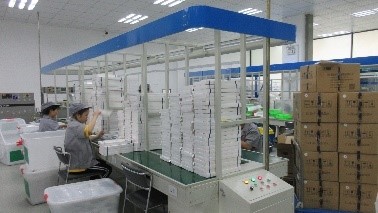
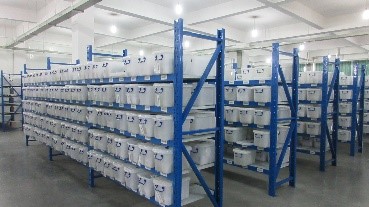
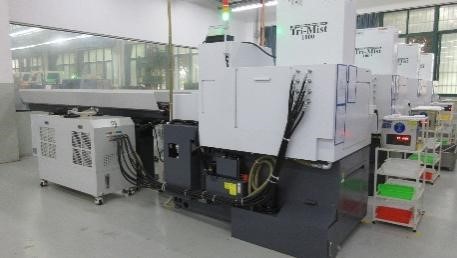
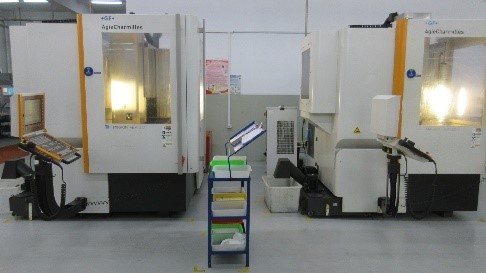
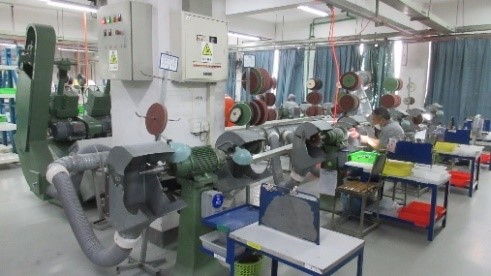
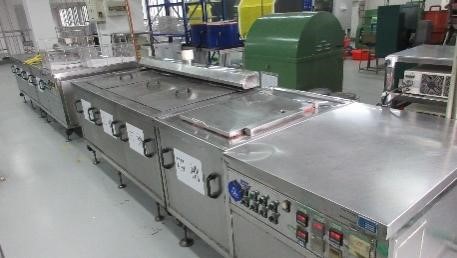
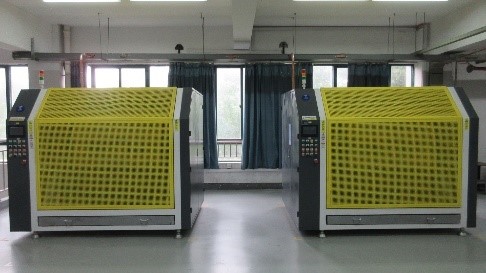
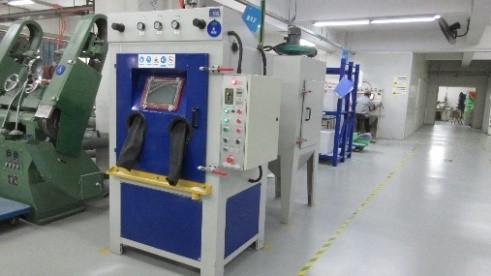
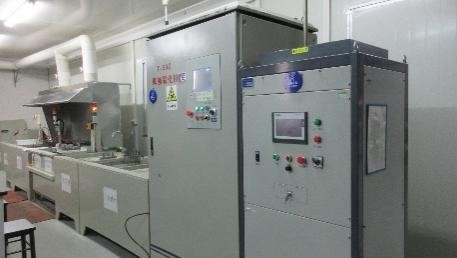
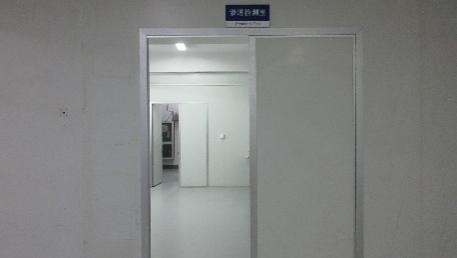
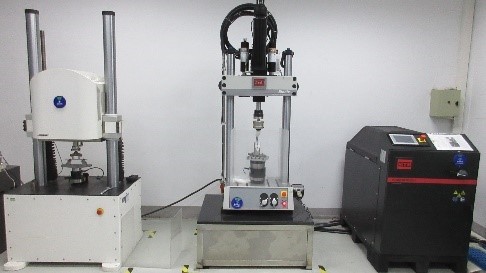
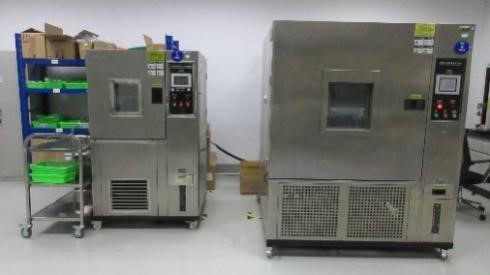
Axiora Medical operates a state-of-the-art 18,600 m² manufacturing plant. Our rigorous testing and development protocols meet global distribution standards.
| Operational Metric | Technical Capability & Axiora Corporate Infrastructure |
|---|---|
| Manufacturer Name | Axiora Medical Technology (China) Co., Ltd. (Brand: Axiora) |
| Factory Infrastructure | 18,600 m² total footprint incorporating Class 10,000 cleanrooms for aseptic packing. |
| OEM / ODM Capacity | Full custom fabrication from CAD/CAM designs, material selection, custom laser etching, and tailored packaging. |
| Quality System Audit | 100% finished product inspection using coordinate measuring machines (CMM) and mechanical stress testing. |
| Destructive & Non-Destructive Testing | Tensile verification, fatigue testing, hardness testing, surface roughness analysis, and salt spray testing. |
| New Inventions | 126 new design revisions introduced annually to meet changing arthroscopic surgery techniques. |
| Main Distribution Areas | Europe, North America, Oceania (Australia & NZ), Middle East, Southeast Asia. |
Axiora controls every stage of production, from raw titanium rods to sterilized, sterile-packed implants. This horizontal integration guarantees traceabilty and consistency across batch runs.
Historically, arthroscopic stabilization procedures required complex knot-tying steps, which carried the risk of knot slippage or soft tissue irritation. The development of Knotless PEEK Suture Anchors has simplified these procedures. By tensioning the suture independently and locking it in place with a PEEK sleeve or interference screw, surgeons can achieve consistent, reproducible tissue approximation. This method reduces surgical time and minimizes the risk of knot-related mechanical failures.
Bio-composite anchors composed of Poly(L-lactide-co-glycolide) (PLGA) combined with Osteoconductive Beta-Tricalcium Phosphate (B-TCP) or Hydroxyapatite (HA) represent a major advancement in implant design. When implanted, these materials degrade slowly over 18 to 36 months, allowing natural bone to gradually replace the anchor. The inclusion of B-TCP acts as a buffer against local acidic breakdown, supporting bone growth and minimizing osteolysis.
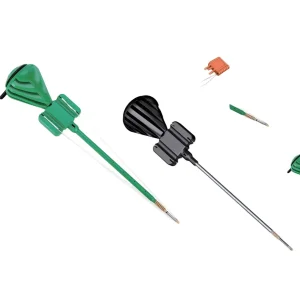
Chronic lateral ankle instability, often caused by sports-related ATFL (Anterior Talofibular Ligament) injuries, is a common issue for athletes in Australia. The shift toward arthroscopic Broström-Gould reconstructions requires specialized instrumentation. Axiora’s ATFL repair system features small-diameter bone anchors and low-profile drivers, enabling precise anchor placement and secure soft tissue attachment within limited joint spaces.
Answers to frequently asked questions from Australian biomedical importers, orthopedic distributors, and surgical product managers.
Explore our complete range of implants, instruments, and consumables designed for sports medicine procedures and arthroscopic repairs.
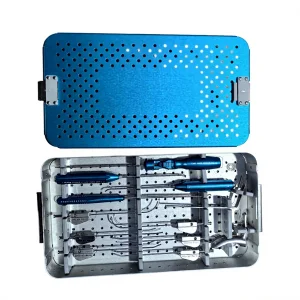
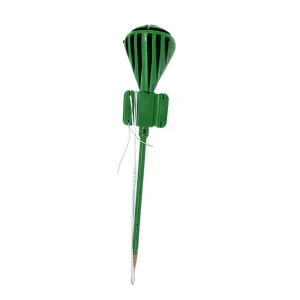
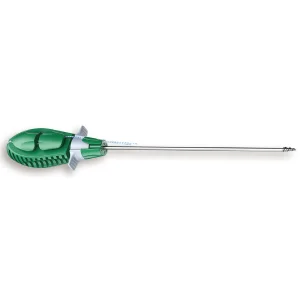
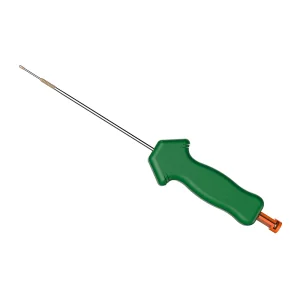
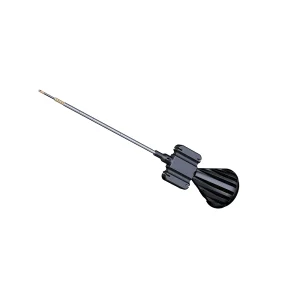
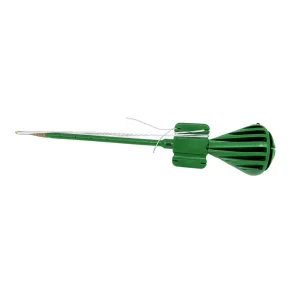
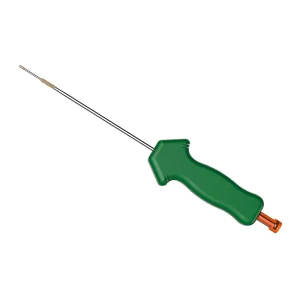
To review structural specifications, surgical manuals, and material safety data sheets, access our full range of specialty medical consumables:
Get in touch with our engineering team for technical support, sample evaluations, and OEM production runs. We provide complete technical files and documentation support for TGA registrations.