Axiora Medical
Axiora Medical
Axiora Medical
Explore our precision-engineered implant portfolios designed to work in synergy with global patellofemoral and primary joint reconstruction systems.
In modern total knee arthroplasty (TKA) and patellofemoral joint replacement, the patellar component remains a critical element influencing clinical outcomes, range of motion, and implant longevity. As global orthopedic manufacturers scale production to meet the demands of an aging population, selecting the right patellar components factories and suppliers has transitioned from a routine sourcing exercise to a critical strategic decision. This whitepaper analyzes the key engineering parameters, material sciences, manufacturing compliance structures, and supply-chain logistics that define the top-tier production of patellar components globally.
The patellofemoral joint experiences some of the highest mechanical loads in the human body, with patellar reaction forces reaching up to 3.4 times body weight during normal walking and up to 8 times body weight during deep squatting or stair climbing. Consequently, patellar components must withstand severe contact stresses, shear vectors, and sliding wear rates.
Historically, all-polyethylene (all-poly) patellar implants made of Ultra-High-Molecular-Weight Polyethylene (UHMWPE) conforming to ASTM F648 and ISO 5834-1/2 standards have been the gold standard. To combat delamination and oxidative wear, top-tier factories employ Highly Cross-Linked Polyethylene (XLPE), which significantly reduces wear volume by introducing covalent cross-links under controlled gamma or electron-beam irradiation.
Surgeons globally continue to debate the necessity of patellar resurfacing. However, when resurfacing is performed, suppliers must offer options accommodating diverse anatomical parameters:
The global medical device market has increasingly recognized China as a hub for high-precision orthopedic manufacturing. This paradigm shift is driven by deep industrial clusters, significant capital investment in multi-axis CNC machines, and a robust workforce of experienced biomedical and metallurgical engineers.
A premier manufacturer specializing in research, development, and global export of Class III orthopedic implants and specialized surgical devices.
Axiora Medical Technology (China) Co., Ltd. is a professional manufacturer specializing in the research, development, production, and global supply of high-quality orthopedic implants and surgical instruments. Our product portfolio covers trauma fixation systems, spinal implants, joint reconstruction solutions, sports medicine products, and related orthopedic surgical instruments.
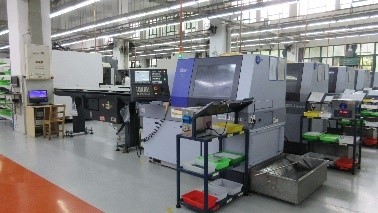
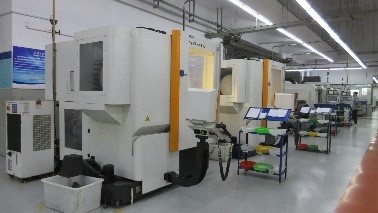
Established with a commitment to innovation and precision manufacturing, Axiora integrates advanced CNC machining, automated production lines, and strict quality management systems to deliver reliable products that meet international standards. Our experienced engineering team continuously develops innovative solutions to support surgeons and healthcare providers worldwide.
With strong OEM and ODM capabilities, we provide customized manufacturing services according to customers' drawings, samples, and technical requirements. From product design and prototyping to mass production and packaging, our integrated manufacturing process ensures consistent quality, competitive pricing, and on-time delivery.
Today, Axiora exports its orthopedic products to customers across Europe, North America, South America, the Middle East, Southeast Asia, and Africa, building long-term partnerships with medical device distributors, brand owners, hospitals, and healthcare organizations around the world.
| Item | Details |
|---|---|
| Company Name | Axiora Medical Technology (China) Co., Ltd. |
| Brand | Axiora |
| Website | www.axioraortho.com |
| Established | 2017 |
| Factory Area | 18,600 m² |
| Annual Export Revenue | USD 26 Million |
| Export Experience | 8 Years |
| Industry Experience | 15 Years |
| Quality Inspection | 100% Finished Product Inspection & Incoming Material Inspection |
| Product Inspection Methods | Coordinate Measuring Machine (CMM), Tensile Testing, Hardness Testing, Surface Roughness Inspection, Salt Spray Testing |
| Quality Control Staff | 48 |
| Business Type | Manufacturer & Exporter (OEM/ODM) |
| Main Markets | Europe, North America, Middle East, Southeast Asia, South America |
| Supply Chain Partners | 1,120 |
| Main Customer Types | Medical Device Brands, Importers, Distributors, Hospitals, Government Procurement Projects |
| R&D Capability | Independent Product Development, Reverse Engineering, OEM & ODM Solutions |
| Customization Options | Logo Printing, Private Label, Custom Packaging, Product Design, Material Selection, Drawing-Based Manufacturing |
| New Products Released Last Year | 126 |
| R&D Engineers | 86 |
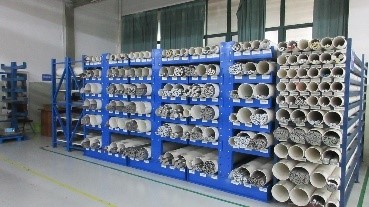
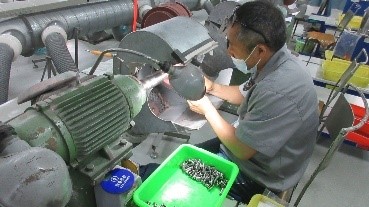
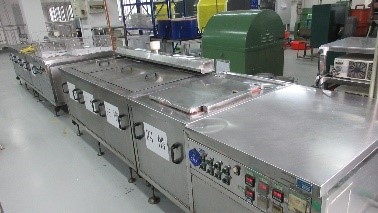
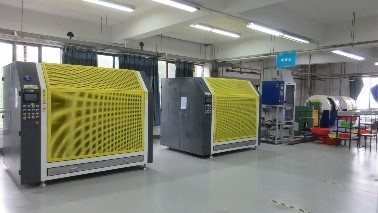
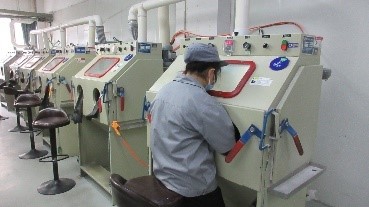
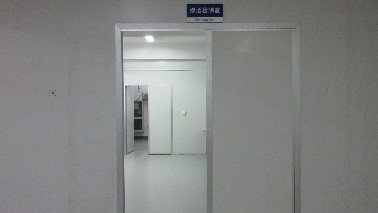
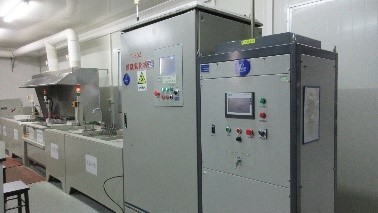
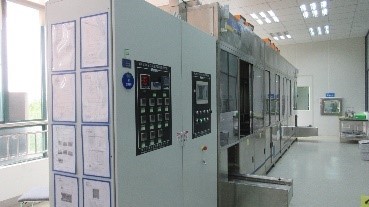
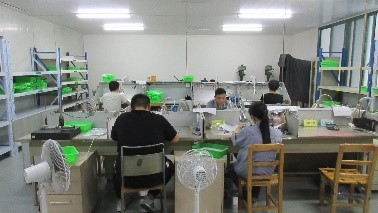
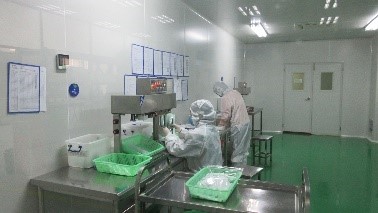
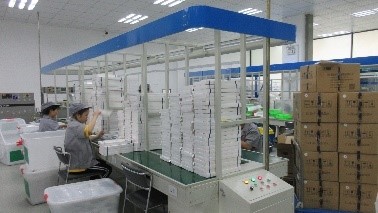
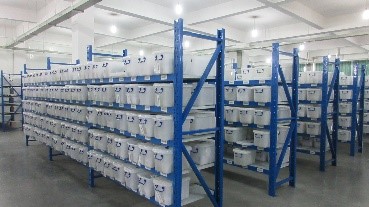
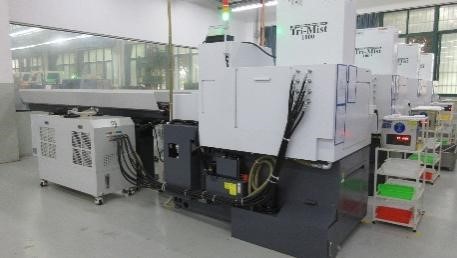
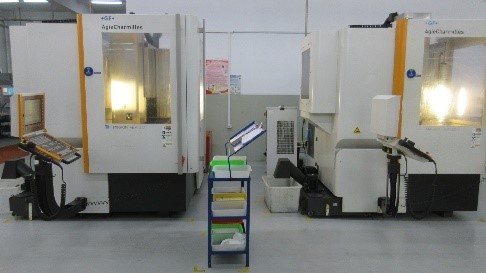
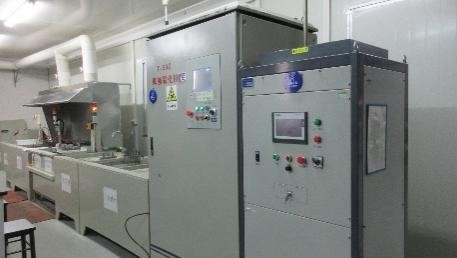
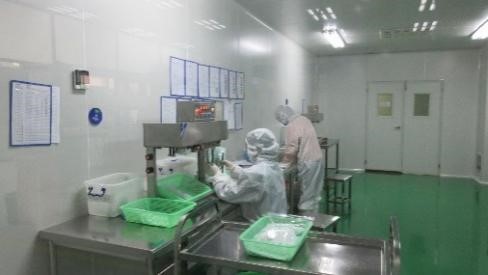
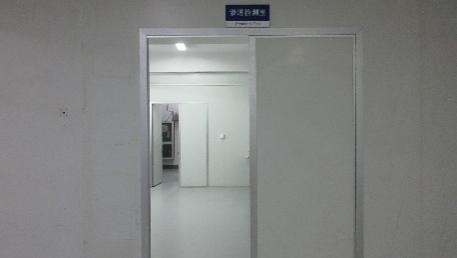
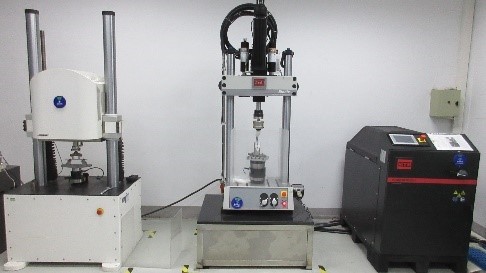
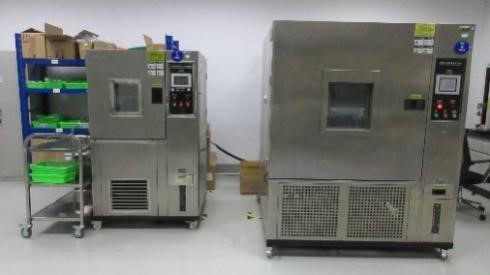
A comprehensive walkthrough of Axiora's fully-traceable orthopedic production pipeline, demonstrating precision manufacturing at every step.
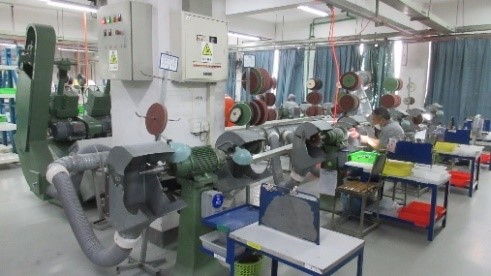
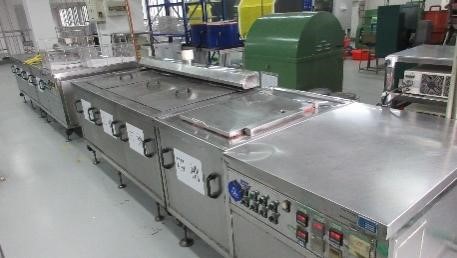
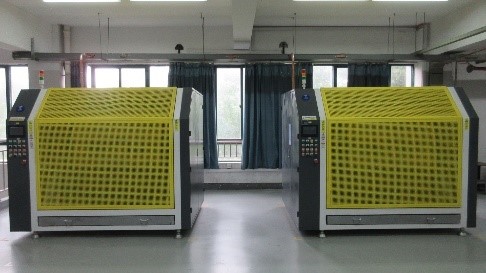
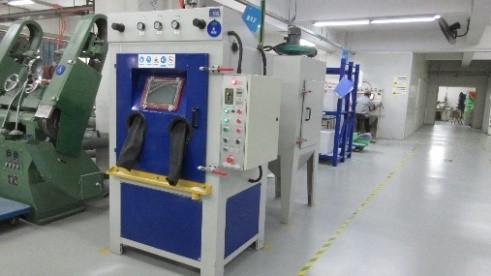
Sourcing medical implants internationally requires navigating a complex environment of shifting national healthcare standards. A mistake in manufacturing compliance can delay product launches by years or lead to costly regulatory actions.
The transition from the European Medical Device Directive (MDD) to the Medical Device Regulation (MDR 2017/745) has significantly raised the validation standards for orthopedic implants. For a patellar component to clear registration, factories must provide exhaustive clinical evaluation reports, post-market clinical follow-up (PMCF) plans, and clean biocompatibility testing per ISO 10993.
In the United States, FDA Class II registration (510(k) pathway) requires demonstrating substantial equivalence to pre-amendment predicate devices, particularly regarding wear debris validation (ISO 14243) and dynamic mechanical testing.
Top trusted suppliers no longer simply ship parts from their loading docks. Reliable manufacturers offer local support services, including:
As clinical technology advances, suppliers are updating their tooling systems to support three major structural trends:
1. Vitamin E Infused Polyethylenes (E-Poly): Mixing Vitamin-E (Alpha-tocopherol) directly with UHMWPE resin provides long-term oxidation protection without compromising mechanical cross-linked strength. This eliminates the need for post-irradiation heat treatments like remelting, which can degrade mechanical properties.
2. 3D-Printed Porous Metal-Backed Insets: Metal-backed patellar implants faced high failure rates in the 1990s due to polyethylene wear and metal contact. Modern designs use additive manufacturing (Electron Beam Melting or Selective Laser Sintering) to create porous titanium structures, promoting direct bone ingrowth and stabilizing the patellar component without bone cement.
3. Patient-Matched Surgical Guidance: Combining customized patellar implants with patient-specific cutting guides (PSG) ensures optimal bone resection height, preventing over-stuffing of the joint space and improving post-operative flexion.
Expert answers addressing materials, supply chains, and manufacturing capabilities.
Explore additional solutions from our comprehensive catalog of surgical instruments, plates, power tools, and dynamic stabilization implants.