Axiora Medical
Axiora Medical
Axiora Medical
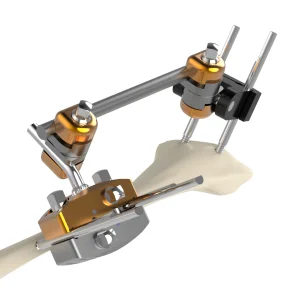
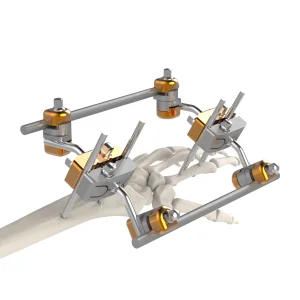
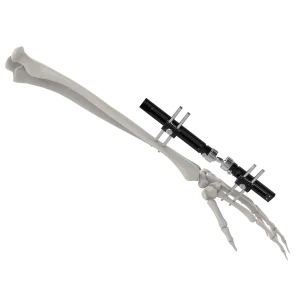
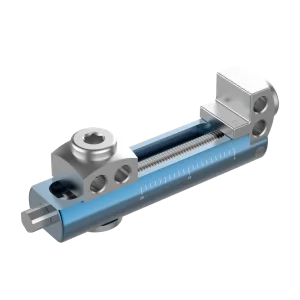
As the primary financial, administrative, and logistical hub of Indonesia, metropolitan Jakarta (Jabodetabek) faces a dual-layer challenge in public health. While rapid urban expansion accelerates the frequency of high-impact trauma cases (e.g., motor vehicle accidents and industrial incidents), the national health coverage system (BPJS Kesehatan) is concurrently driving the universal expansion of healthcare access. Under the strategic guidelines issued by the Indonesian Ministry of Health (Kementerian Kesehatan Republik Indonesia - Kemenkes), public and private hospital groups across Jakarta are continuously restructuring their trauma centers, orthopedic operating theaters, and supply chains to optimize patient outcomes while managing procurement cost efficiency.
External fixation stands as a foundational clinical methodology in this ecosystem. It serves as the primary emergent treatment for open fractures, severe soft-tissue disruptions, poly-trauma stabilization, and complex non-union reconstructive surgeries. Because external fixators remain exposed to both the patient's internal bone structure and the external environment, their mechanical integrity, surface biocompatibility, and biomechanical stability must meet the most rigorous global specifications.
The performance of an external fixation system is intrinsically tied to its mechanical engineering. Modern trauma surgery demands devices that provide absolute stability under physiological loads while minimizing structural weight. To achieve this, leading global manufacturers like Axiora Medical Technology rely heavily on advanced material science:
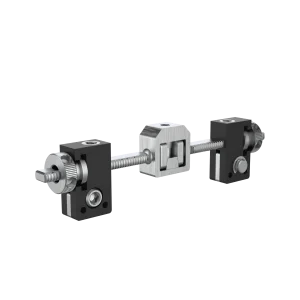
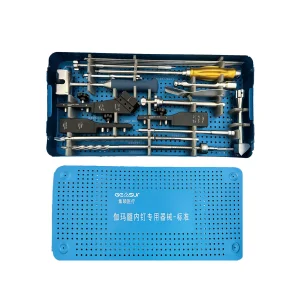
In high-pressure emergency departments at major referral institutions in Jakarta—such as Rumah Sakit Umum Pusat Nasional (RSUPN) Dr. Cipto Mangunkusumo or Rumah Sakit Pusat Angkatan Darat (RSPAD) Gatot Soebroto—trauma teams require systems that can be rapidly configured and deployed. High modularity ensures that a compact instrument tray can adapt to varying anatomical sites, from pediatric small bones to adult multi-fragmentary pelvic fractures. Our engineering team continuously refines clamp designs, implementing universal snapping connectors and jointed couplers that allow surgeons to make micro-adjustments post-reduction, reducing overall surgical duration and exposure to intraoperative radiation.
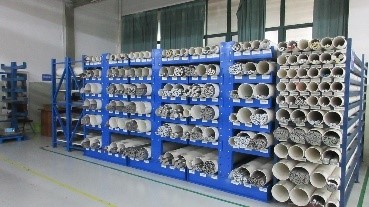
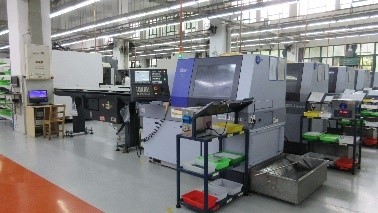
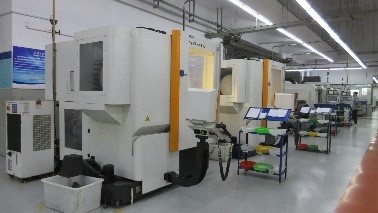
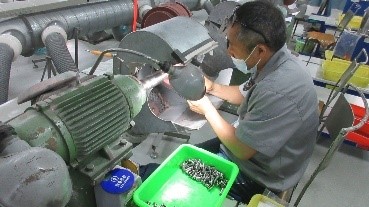
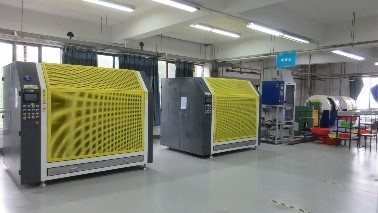
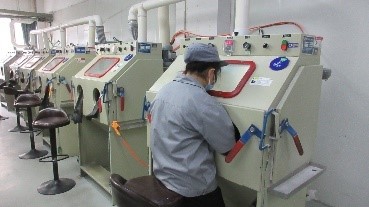
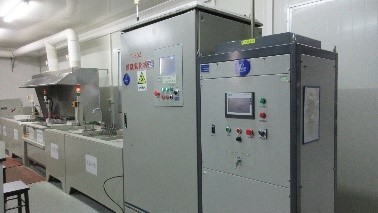
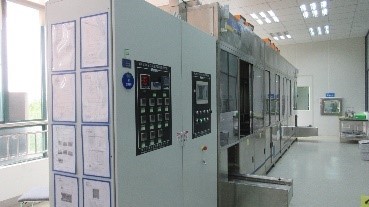
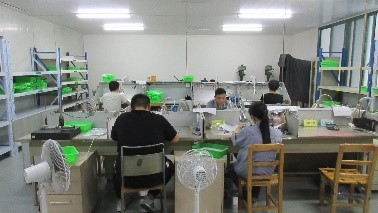
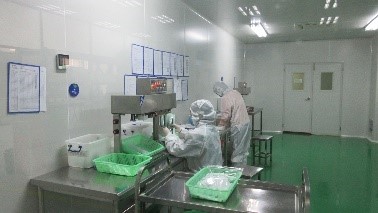
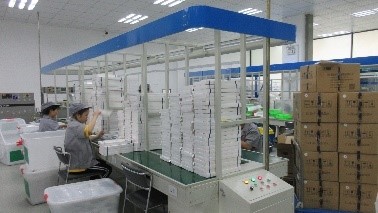
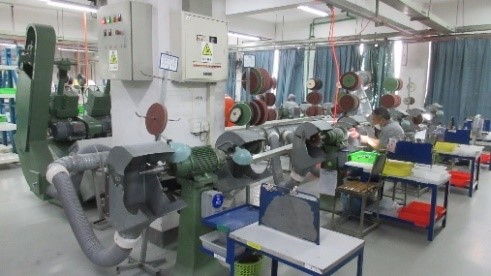
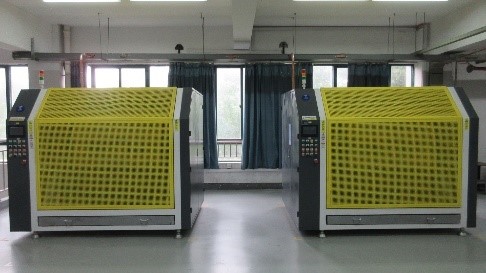
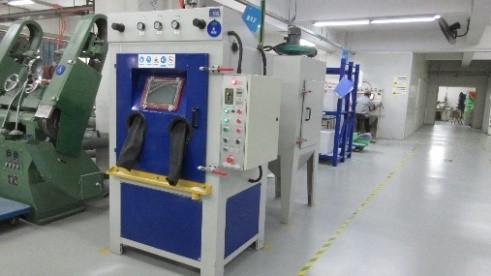
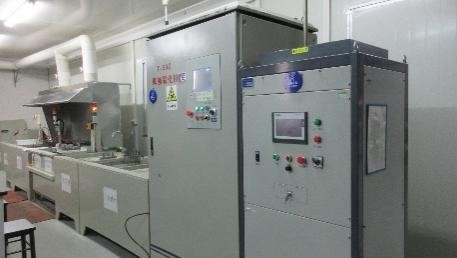
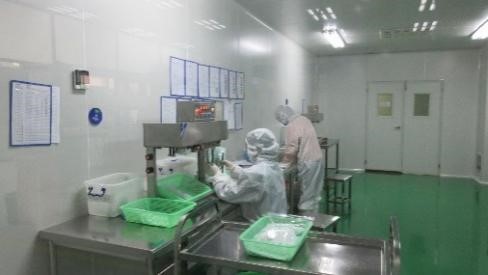
At our advanced 18,600 m² smart production center in China, we have transitioned traditional manufacturing workflows into a fully digitalized Factory 4.0 architecture. This integration ensures that every batch of orthopedic implants, from spinal fixation plates to external palm fixators, is constructed with identical dimensional precision.
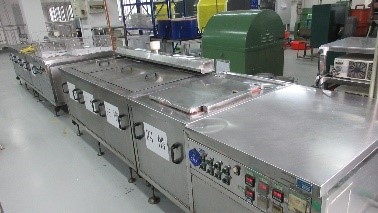
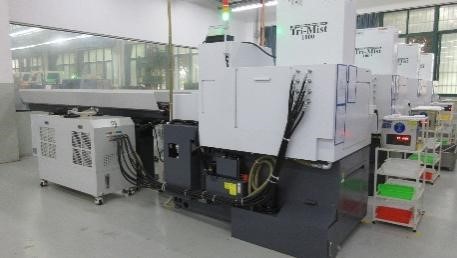
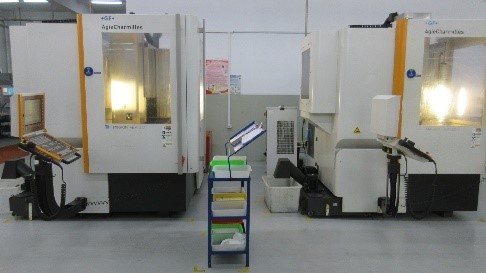
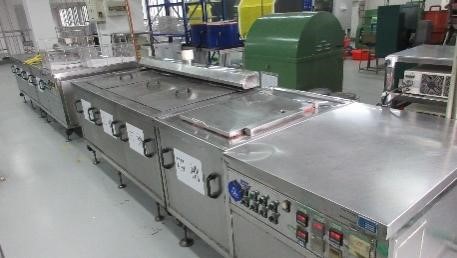
By employing automated Swiss-type longitudinal cutting lathes, multi-axis CNC machining centers, and automated ultrasonic cleaning lines, we achieve physical tolerances under ±5 microns. Such high precision is vital for the mechanical coupling interfaces of external fixators, preventing pin-to-rod slippage under patient weight-bearing loads.
For global procurement officers in Jakarta, this technological capacity resolves two critical bottlenecks: product consistency and lead-time volatility. With an annual export capacity surpassing USD 26 Million and a robust network of 1,120 supply chain partners, we secure rapid raw material sourcing and uninterrupted shipping schedules, ensuring your distribution network remains resilient.
Entering the Indonesian medical device market requires a thorough understanding of the country's strict regulatory guidelines. Under Ministry of Health regulations, any orthopedic implant or surgical tool must obtain an AKL registration number before importation and commercial distribution. The compliance framework is designed to verify that products meet global safety standards while ensuring traceable localized support.
Axiora supports local distributors and hospital groups in Jakarta throughout the entire registration lifecycle. Our quality management system aligns with ISO 13485:2016, and our key surgical instrument sets are CE certified and compliant with FDA standards. We provide complete technical documentation dossiers, including:
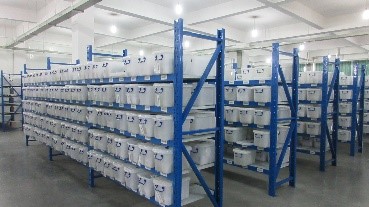
Logistical delays at Tanjung Priok Port can disrupt hospital inventory levels, presenting challenges for elective and trauma surgical lists. Axiora coordinates closely with local Indonesian freight forwarders to provide complete customs paperwork, correct HS code assignments, and customized export packing. This mitigates inspection delays, ensuring orthopedic kits transition directly from factory storage to clinical sterile supply departments (CSSD) across Jakarta.
| Material Class | Composition Standard | Primary Clinical Application | Key Performance Parameter |
|---|---|---|---|
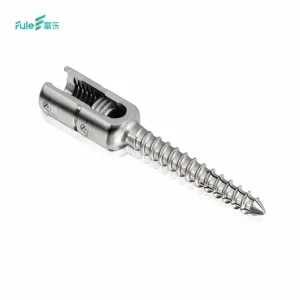
| Titanium Alloy (Gr. 5 / Ti6Al4V ELI) | ASTM F136 / ISO 5832-3 | Pin clamp components, intraosseous pins, locking bolts | Excellent biocompatibility & high fatigue strength |
| Cobalt-Chromium-Molybdenum | ASTM F75 / ISO 5832-4 | Arthroplasty prosthetic joint components | High wear resistance under articulation loads |
| Carbon Fiber Composite | Medical Grade Radiolucent | External fixator stabilization rods | Radiolucency for unimpeded radiographic monitoring |
| Ultra-High Molecular Weight PE | ISO 5834-2 | Joint prosthesis inserts and bearing liners | Low coefficient of friction and minimal wear debris |
| Parameters & Operational Metrics | Detailed Manufacturer Specifications |
|---|---|
| Company Name | Axiora Medical Technology (China) Co., Ltd. is a professional manufacturer specializing in the research, development, production, and global supply of high-quality orthopedic implants and surgical instruments. Our product portfolio covers trauma fixation systems, spinal implants, joint reconstruction solutions, sports medicine products, and related orthopedic surgical instruments. |
| Brand & Website | Axiora | www.axioraortho.com |
| Established | 2017 (With a commitment to innovation and precision manufacturing) |
| Factory Area & Location | 18,600 m² Modernized Industrial Manufacturing Zone |
| Annual Export Revenue | USD 26 Million (Serving international markets with strong supply chains) |
| Export & Industry Experience | 8 Years Export Experience | 15 Years Professional Industry Experience |
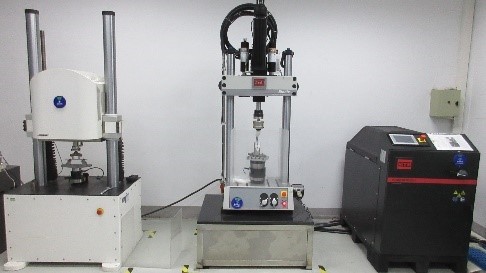
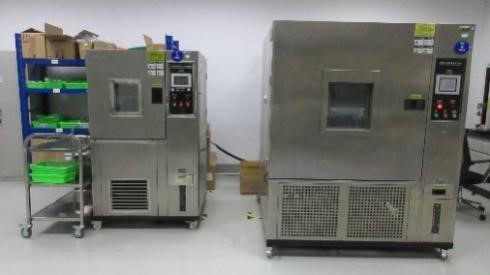
| Quality Inspection & Methods | 100% Finished Product Inspection & Incoming Material Inspection. Utilizing Coordinate Measuring Machine (CMM), Tensile Testing, Hardness Testing, Surface Roughness Inspection, Salt Spray Testing. |
| Quality Control Staff | 48 Quality Control Professionals |
| Business Type & Markets | Manufacturer & Exporter (OEM/ODM). Serving Europe, North America, Middle East, Southeast Asia, South America. |
| Supply Chain Partners | 1,120 Partner Network |
| Main Customer Types | Medical Device Brands, Importers, Distributors, Hospitals, Government Procurement Projects |
| R&D Capability & Output | Independent Product Development, Reverse Engineering, OEM & ODM Solutions. 86 R&D Engineers. 126 New Products Released Last Year. |
| Customization Options | Logo Printing, Private Label, Custom Packaging, Product Design, Material Selection, Drawing-Based Manufacturing |
The field of external fixation is rapidly transitioning from passive stabilization constructs to smart, biologically active mechanical systems. Axiora's engineering laboratories are currently researching and prototyping several next-generation solutions aimed at reducing surgical complexity and post-operative infection risks in trauma environments:
Pin-tract infection remains one of the most common complications in external fixation. Our technical team is developing titanium pins coated with silver-doped hydroxyapatite (HA). This coating not only provides a high degree of antibacterial protection at the skin-implant interface but also facilitates optimal osseointegration within the cortical bone, reducing the risk of pin loosening over extended clinical courses.
Clinical studies show that micro-motion at the fracture gap, when controlled within a physiological window, stimulates bone healing through distraction osteogenesis. Our upcoming biomechanical fixator line incorporates flexible elastomers and adjustable mechanical springs within the main rod body. This design will allow surgeons to gradually change the frame's load-sharing dynamics as the callus matures, transition from rigid fixation to controlled mechanical loading, and accelerate patient rehabilitation.
For complex pediatric bone corrections and post-trauma limb-lengthening surgeries in Jakarta's specialty clinics, we are developing software tools that allow orthopedic teams to simulate surgical procedures in virtual environments. Utilizing CT scan data, surgeons can calculate exact pin placement paths and pre-assemble fixator configurations. This approach shortens operating times and reduces intraoperative errors.