Axiora Medical
Axiora Medical
Axiora Medical
Analyzing global manufacturing metrics, materials science integrity, and localized integration within the Malaysian orthopedic healthcare ecosystem.
Intramedullary (IM) nailing remains the gold standard for stabilizing long bone fractures of the lower and upper extremities. In Malaysia, urban expansion, industrialization, and high traffic volumes have historically sustained elevated orthopedic trauma workloads in public hospitals like Hospital Kuala Lumpur (HKL), Hospital Selayang, and private healthcare networks such as Pantai and KPJ Healthcare. According to recent epidemiological evaluations of regional trauma units, femoral shaft and tibial diaphyseal fractures constitute a substantial percentage of emergency admissions.
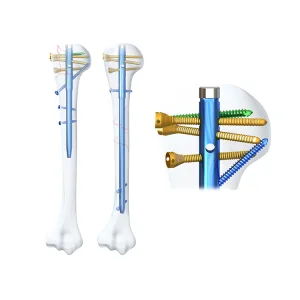
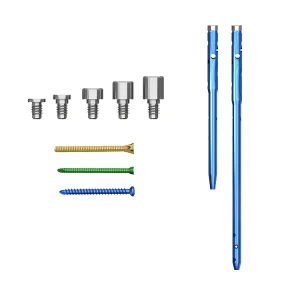
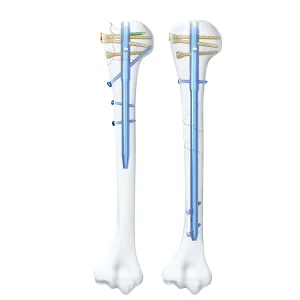
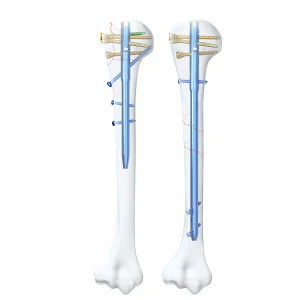
From a biomechanical standpoint, the intramedullary nail behaves as a load-sharing device. Unlike eccentric plating systems, the axially aligned intramedullary implant sits closer to the mechanical axis of the bone, minimizing bending moments and structural strain. In osteoporotic patients across older demographics in Malaysia, the implementation of locking systems, specifically Proximal Femoral Nail Antirotation (PFNA) devices with helical blades, has revolutionized clinical outcomes. The helical blade compacts the cancellous bone structure rather than removing it, dramatically increasing resistance to "cut-out" failures compared to traditional lag screws.
Modern intramedullary devices are subjected to intense cyclical loading patterns. At Axiora Medical, we construct our implant arrays using medical-grade Titanium Alloy (Ti-6Al-4V ELI) conforming to ASTM F136 specifications, as well as high-tensile Cobalt-Chromium (Co-Cr) formulations. Standard Ti-6Al-4V contains higher levels of interstitial elements like oxygen, nitrogen, and carbon, which decrease ductility. By selecting the Extra Low Interstitial (ELI) grade, we secure significantly enhanced fracture toughness and fatigue resistance—essential physical attributes for load-bearing skeletal structures.
Furthermore, titanium’s low modulus of elasticity (approximately 110 GPa, compared to 200 GPa of stainless steel) sits closer to that of cortical bone (around 10-30 GPa). This closer alignment substantially mitigates the risk of "stress shielding," a pathological phenomenon where rigid metal implants bear all mechanical loads, causing the surrounding bone to resorb due to lack of physiological stress.
Importing orthopedic implants into Malaysia requires strict compliance with the Medical Device Act 2012 (Act 737). The Medical Device Authority (MDA) of Malaysia classifies orthopedic implants, including intramedullary nails, under Class C or Class D high-risk categories. Any manufacturing partner supplying these items must present complete technical files, clean clinical evaluation reports, and valid foreign manufacturer documentation.
Axiora Medical Technology’s production facility operates in strict alignment with ISO 13485 (Medical Devices - Quality Management Systems). We routinely supply comprehensive technical dossiers including mechanical fatigue tests (complying with ASTM F382 or ASTM F1264 guidelines), biocompatibility profiles (ISO 10993 series), and sterilization validation studies (for sterile products). This level of documentary rigor ensures that local Malaysian importers and distributors can execute their MDA product registration and submit competitive tenders to the Ministry of Health (MOH) Malaysia with complete confidence.
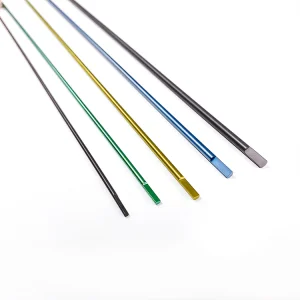
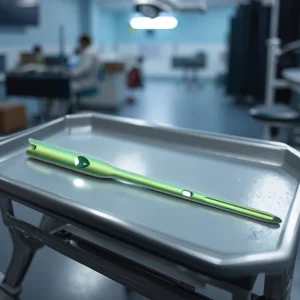
Inside Axiora Medical's state-of-the-art facility: From raw titanium alloy to certified orthopedic trauma implants.
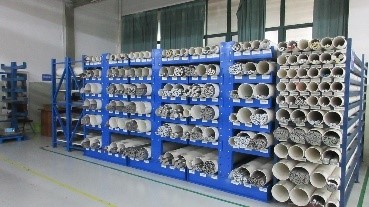
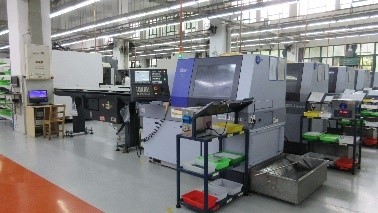
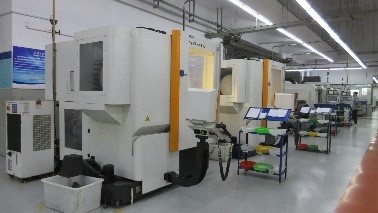
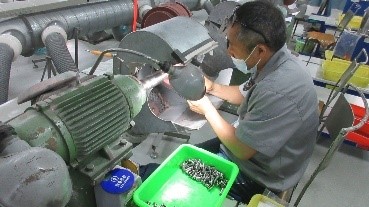
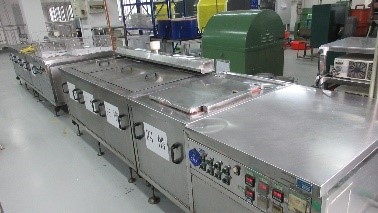
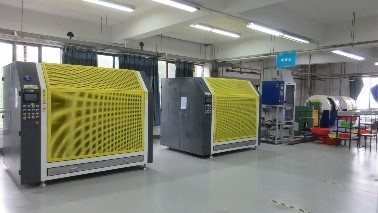
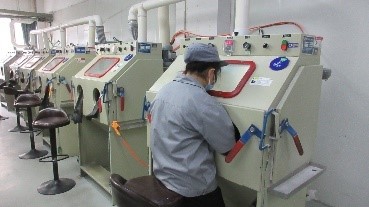
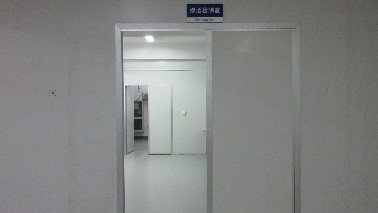
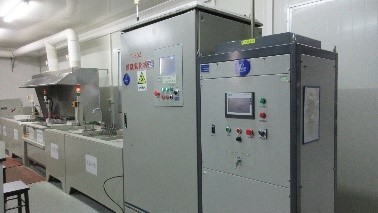
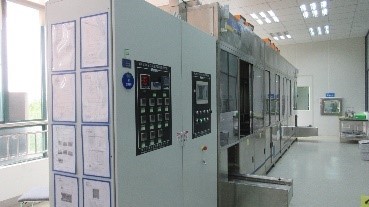
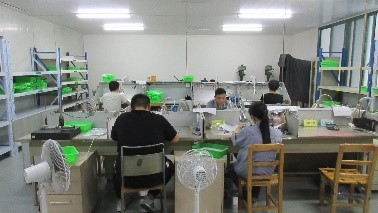
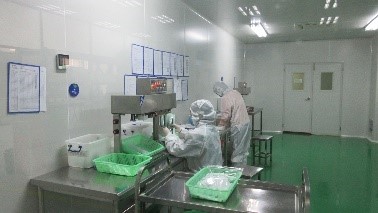
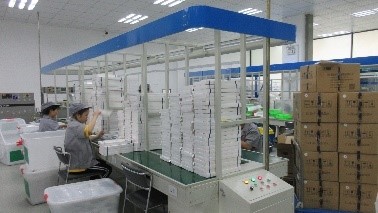
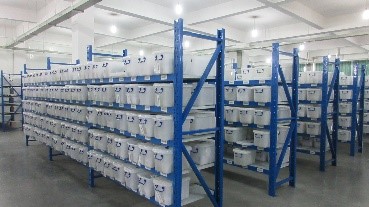
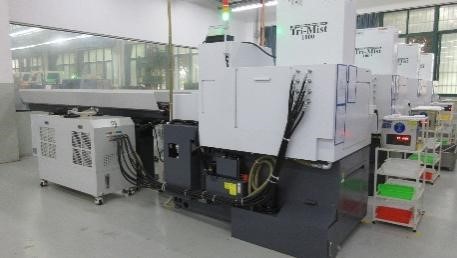
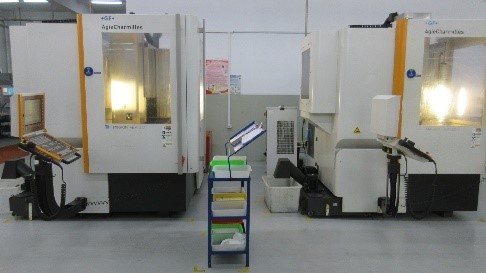
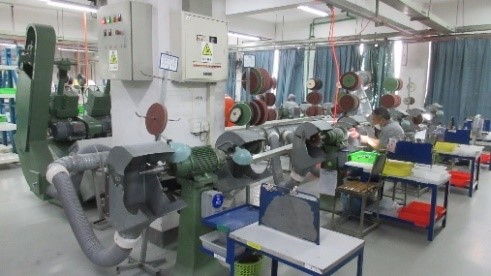
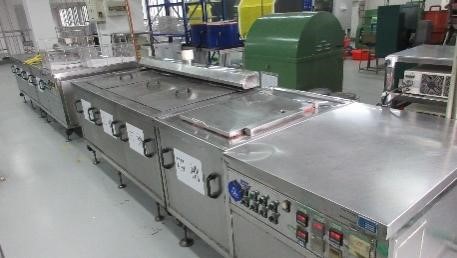
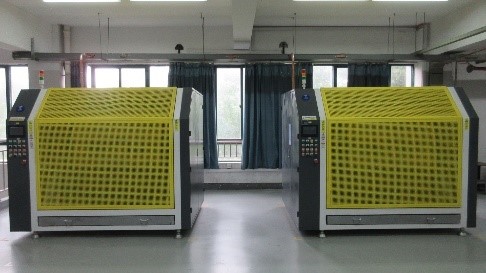
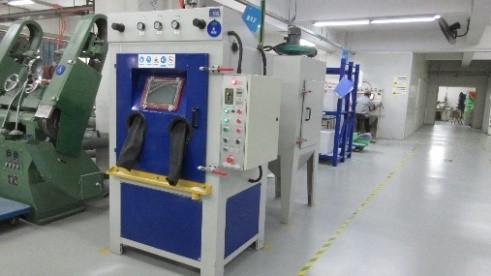
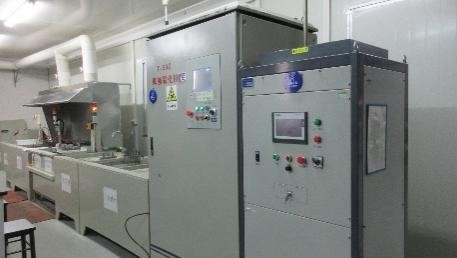
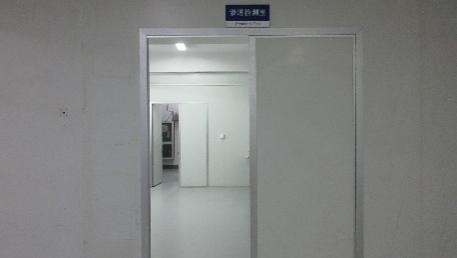
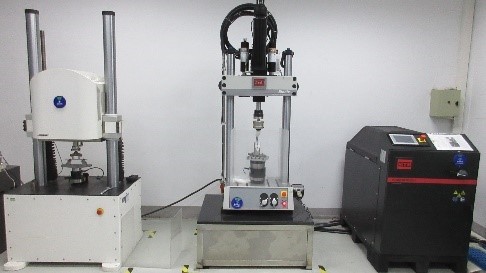
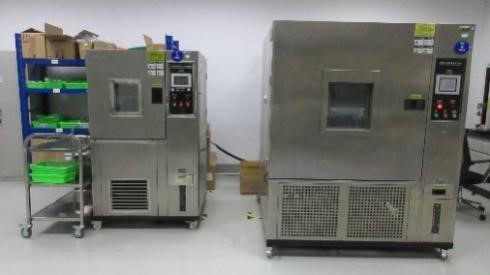
For hospital procurement networks and orthopedic device distributors in Penang, Selangor, Johor Bahru, and East Malaysia, selecting an overseas manufacturing hub represents a trade-off between scale economies and clinical agility. The raw economics favor China's orthopedic manufacturing clusters due to their comprehensive steel/titanium supply chains, automated Swiss-type sliding head stock lathes, and integrated anodizing capabilities.
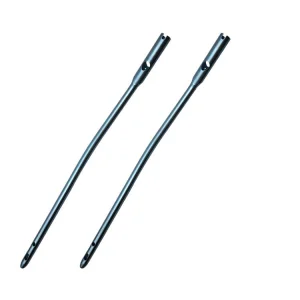
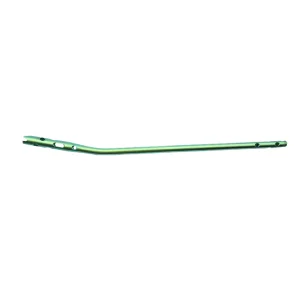
At Axiora, we combine this volume efficiency with precision customization (OEM/ODM). We acknowledge that anatomical dimensions can differ across demographics. A generic Western-designed intramedullary nail might present radii of curvature or lengths unsuitable for smaller Asian skeletal structures. Our engineering unit uses CAD/CAM modeling to optimize curvature profiles (e.g., standardizing a smaller anterior bowing radius for femoral nails) to prevent distal anterior cortex impingement during insertion in Malaysian patients.
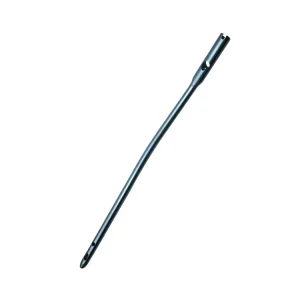
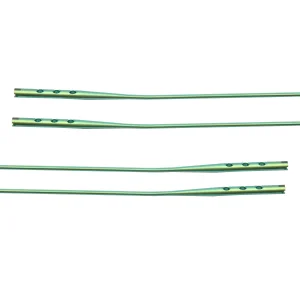
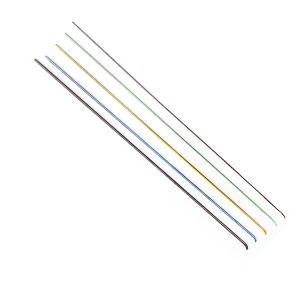
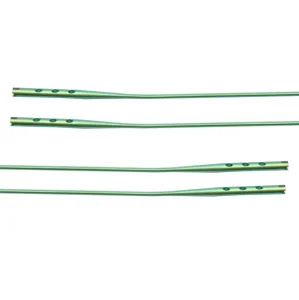
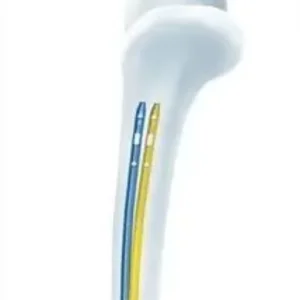
Malaysian trauma centers require specialized designs to address distinct clinical indications. High-velocity motor vehicle accidents frequently result in segmented fractures, demanding multi-lock interlocking designs that ensure rotational stability. In contrast, pediatric trauma cases are managed via Elastic Stable Intramedullary Nails (ESIN) which promote secondary healing through micro-motion at the fracture site while preserving the growth plate (physeal protection).
Furthermore, geriatric hip fracture management requires rapid mobilization to avoid pulmonary and cardiovascular complications. The PFNA system, with its antirotation design and single helical blade, provides immediate postoperative stability, permitting early weight-bearing. Having access to a complete catalog of implants that address pediatric, adult, and osteoporotic-geriatric patient groups allows B2B buyers to centralize their vendor relationships and reduce operational costs.
Partnering with hospitals, distributors, and brand owners globally under ISO 13485 guidelines.
Axiora Medical Technology (China) Co., Ltd. is a specialized manufacturer focused on the development, precision production, and global supply of high-grade orthopedic implants and surgical instruments. Our extensive product portfolio covers trauma fixation systems, spinal implants, joint reconstruction devices, sports medicine systems, and associated instrument kits. Our integrated manufacturing workflow spans from raw titanium sourcing to cleanroom packaging, establishing a robust defense against contamination and micro-defects.
| Item Details | Value & Specification Parameters |
|---|---|
| Company Name | Axiora Medical Technology (China) Co., Ltd. |
| Brand | Axiora |
| Established | 2017 |
| Factory Area | 18,600 m² (Equipped with Class 10,000 Clean Packaging Rooms) |
| Annual Export Revenue | USD 26 Million |
| Export Experience | 8 Years (Serving South East Asia, Europe, Middle East, and South America) |
| Industry Experience | 15 Years in Medical Engineering |
| Quality Inspection Protocols | 100% Finished Product Inspection & Strict Incoming Raw Material Inspection |
| Product Inspection Methods | Coordinate Measuring Machine (CMM), Tensile Testing, Hardness Testing, Surface Roughness Inspection, Salt Spray Corrosion Testing |
| Quality Control Staff | 48 Dedicated Quality Assurance Specialists |
| Business Models | Manufacturer & Exporter (Supporting OEM, ODM, and Private Labeling) |
| Main Target Markets | Southeast Asia (Malaysia, Thailand, Vietnam, Philippines), Europe, North America, Middle East |
| Supply Chain Partners | 1,120 Registered Global Distributors and Agencies |
| OEM/ODM Customization Options | Logo Laser Engraving, Private Labeling, Custom Sterile Packaging, Drawing-Based Anatomical Customization |
| R&D Engineers | 86 Senior Mechanical and Biomechanical Engineers |
Important logistics, trade, and commercial insights to streamline your importing workflow from China to Malaysia.
One of the core financial advantages for Malaysian medical device importers sourcing from China is the ASEAN-China Free Trade Area (ACFTA) agreement. By providing a valid Certificate of Origin (Form E), importers in Malaysia can secure preferential import tariff rates—often reducing the standard import duty to 0% on specific orthopedic implant classifications. Axiora Medical regularly issues export documentation, including Form E, commercial invoices, and packing lists, ensuring trouble-free customs clearance at Port Klang or Penang Port.
Trauma implants must be supplied under either sterile packaging or in non-sterilized configurations that require autoclaving before surgical use. For sterile implants, we execute sterilization validation using Gamma Irradiation or Ethylene Oxide (EO) gas, complying with ISO 11137 and ISO 11135 standards. For non-sterilized configurations, the packaging must allow sterilizing gases or steam to penetrate effectively.
Post-market surveillance is another critical aspect under Malaysia’s MDA guidelines. A foreign manufacturer must coordinate with their local authorized representative (LAR) to log complaints, handle adverse event reporting, and coordinate corrective actions if needed. Axiora maintains a dedicated customer support unit that coordinates directly with LARs in Malaysia to resolve documentation audits, provide lot number trace records, and address hospital inquiries.
Technical, regulatory, and commercial insights for professional medical buyers in Malaysia.