Axiora Medical
Axiora Medical
Axiora Medical
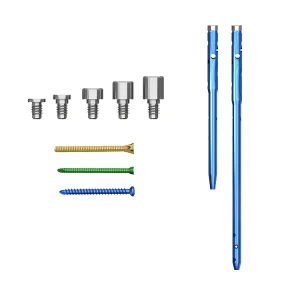
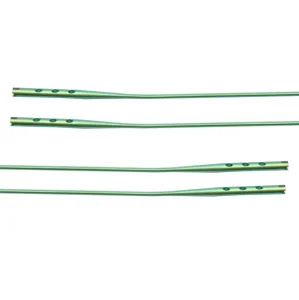
Top-tier clinical-grade intramedullary nails engineered for biomechanical stability and accelerated osseointegration.
An authoritative analysis of biomechanics, market demands, and strategic sourcing.
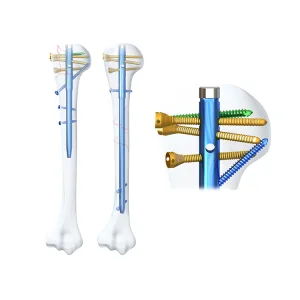
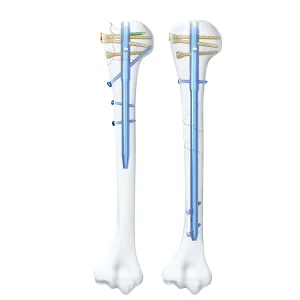
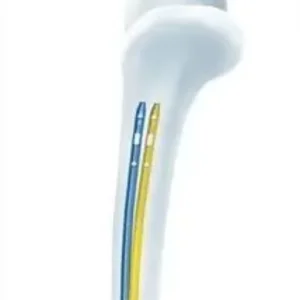
Intramedullary (IM) nailing remains the gold standard for the fixation of diaphyseal fractures of long bones. By acting as a load-sharing device, IM nails offer biomechanical superiority over plate-and-screw constructs, which act as load-bearing structures. The alignment of the nail within the neutral axis of the bone allows for controlled micro-motion under weight-bearing conditions, which dynamically accelerates secondary bone healing through callus formation.
Advanced titanium alloys (Ti6Al4V ELI) feature a modulus of elasticity closer to that of cortical bone compared to stainless steel. This key mechanical characteristic limits the occurrence of stress shielding—a phenomenon that can result in localized osteopenia and implant loosening. Modern interlocking configurations and proximal anti-rotation geometries have expanded the therapeutic range of these devices, allowing secure fixation in complex metaphyseal and osteoporotic fractures.
Reducing the structural mismatch between metal implants and living skeletal tissues is critical. The integration of proximal femoral anti-rotation (PFNA) blades instead of traditional dual screws reduces shear stresses, boosting construct stability within the femoral head. This design feature minimizes the risk of implant cut-out, especially in geriatric patients.
The San Francisco Bay Area, encompassing key trauma centers like the San Francisco General Hospital (Zuckerberg SFGH) and academic hubs like UCSF and Stanford Medical Center, is at the forefront of clinical trials in biomechanical fixation. The regional demand is characterized by an emphasis on minimally invasive surgery (MIS) options, fast-track rehabilitation protocols, and materials science that mitigates surgical site infections (SSI).
Surgeons in the San Francisco market prioritize implants that seamlessly interface with surgical navigation and robotic-assisted alignment systems. The presence of global tech clusters drives local clinical expectations toward high precision, digital inventory management, and traceable manufacturing origins that conform strictly to FDA regulations.
Compliance with strict procurement standards requires medical device suppliers to provide robust clinical evidence, materials validation reports (ASTM F136), and a reliable supply line. This setup minimizes inventory shortages in level-1 trauma rooms.
Why Axiora's integrated industrial model delivers cost optimization and precision engineering.
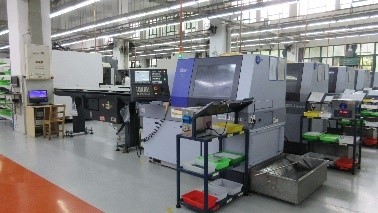
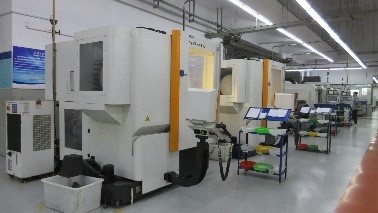
Axiora utilizes high-precision Swiss longitudinal cutting lathes and multi-axis CNC centers. This setup enables sub-micron tolerances for complex interlocking geometries and thread pitches. The resulting system ensures smooth lock screw placement, minimizing intraoperative delays.
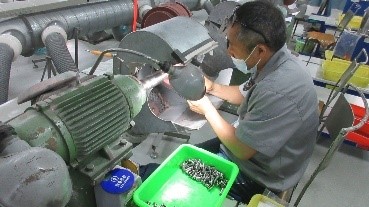
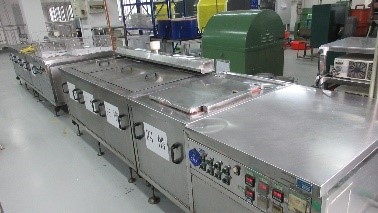
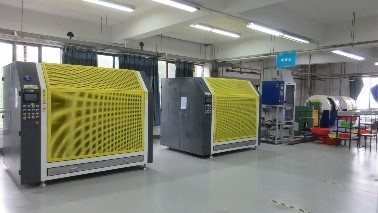
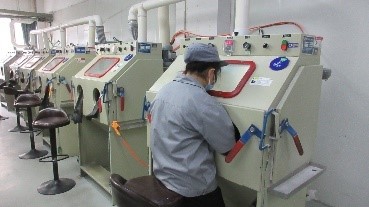
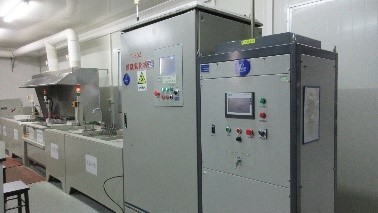
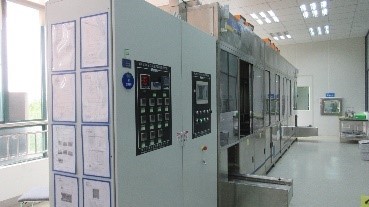
Our automated surface treatment lines feature Type II anodization and controlled sand-blasting. This increases fatigue resistance, creates a bio-inert barrier, and improves the visibility of components under fluoroscopic imaging.
Operating under ISO 13485 protocols, our 48-member Quality Assurance department oversees 100% finished product inspections. We use coordinate measuring machines (CMM), tensile testers, and surface roughness profilers to guarantee quality.
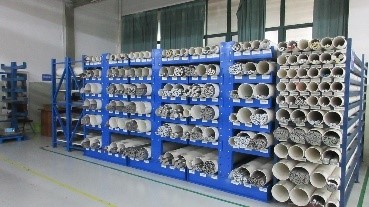
By operating inside China's primary medical manufacturing zone, Axiora benefits from a highly integrated supply chain. We procure premium medical-grade titanium directly from certified raw material suppliers, cutting down lead times. Our annual capacity supports large-scale hospital orders, municipal tenders, and custom OEM partnerships, providing a stable supply line for international distributors.
Established manufacturing benchmarks driving global orthopedic standards.
Axiora Medical Technology (China) Co., Ltd. is a professional manufacturer specializing in the research, development, production, and global supply of high-quality orthopedic implants and surgical instruments. Our product portfolio covers trauma fixation systems, spinal implants, joint reconstruction solutions, sports medicine products, and related orthopedic surgical instruments.
Established with a commitment to innovation and precision manufacturing, Axiora integrates advanced CNC machining, automated production lines, and strict quality management systems to deliver reliable products that meet international standards. Our experienced engineering team continuously develops innovative solutions to support surgeons and healthcare providers worldwide.
With strong OEM and ODM capabilities, we provide customized manufacturing services according to customers' drawings, samples, and technical requirements. From product design and prototyping to mass production and packaging, our integrated manufacturing process ensures consistent quality, competitive pricing, and on-time delivery.
| Item / Parameter | Axiora Operational & Engineering Specifications |
|---|---|
| Company Name | Axiora Medical Technology (China) Co., Ltd. |
| Brand Name & IP | Axiora Ortho Systems |
| Year of Establishment | 2017 (Industry experience spanning 15+ years) |
| Factory Footprint | 18,600 m² state-of-the-art facility |
| Annual Export Revenue | USD 26 Million |
| Quality Inspection | 100% Finished Product Inspection & Incoming Material Inspection |
| Product Testing Methods | Coordinate Measuring Machine (CMM), Tensile Testing, Hardness Testing, Surface Roughness Inspection, Salt Spray Testing |
| R&D Engineers | 86 Specialized Biomedical & Mechanical Engineers |
| OEM & ODM Scope | Custom implants, reverse engineering, private label packaging, custom design runs |
| Key Markets Served | North America (specifically the San Francisco Bay Area), Western Europe, Middle East, Southeast Asia |
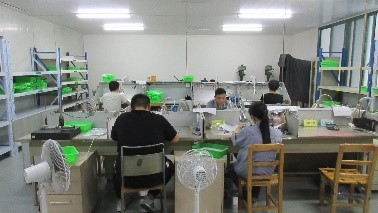
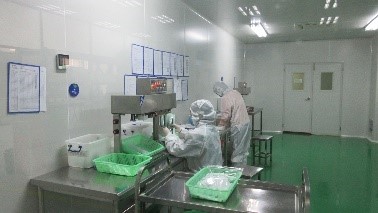
Take a virtual tour of our cleanrooms, machining bays, and mechanical test labs.
Matching anatomical requirements with global distribution and logistics protocols.
Global procurement teams must balance unit costs with regulatory compliance. Key concerns include supply chain continuity, material tracing, and import/export documentation. Axiora addresses these needs by providing transparent manufacturing records and certificates of analysis (CoA) for every production run, simplifying customs clearance in US ports.
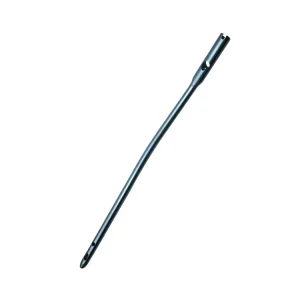
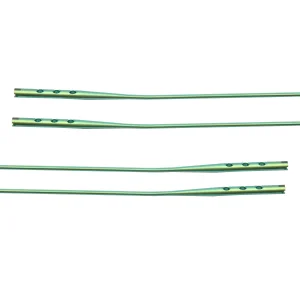
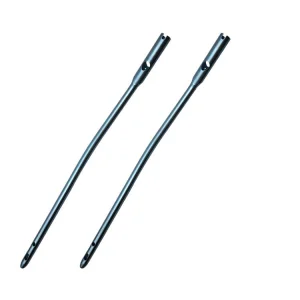
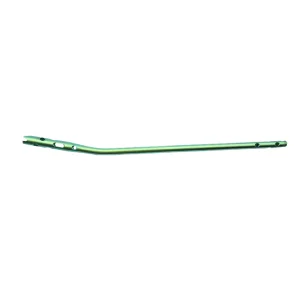
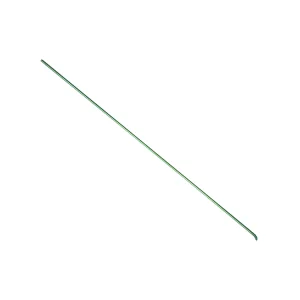
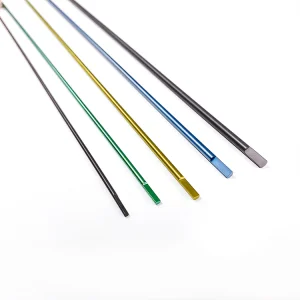
Full inventory of titanium locking nails, pediatric elastic implants, and trauma systems.
Answers to critical questions regarding compliance, metallurgy, logistics, and customized clinical engineering.
Request material specification sheets, chemical validation certs, or customized volume pricing for your distribution network.
Send Inquiry Now