Axiora Medical
Axiora Medical
Axiora Medical
High-performance intramedullary solutions optimized for rapid mobilization and clinical success in complex osteosynthesis.
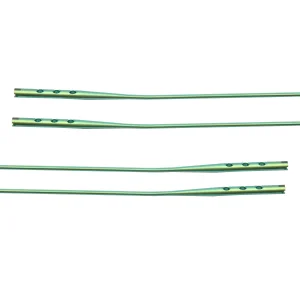
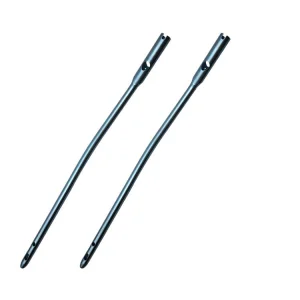
An analysis of clinical demands, import regulatory environments, and structural updates in Iraqi reconstructive surgery.
Over the last decade, Iraq’s healthcare framework has transitioned rapidly from emergency trauma stabilization to advanced long-term reconstructive orthopedics. Government initiatives managed by the Iraqi Ministry of Health (MOH), alongside growing investments in private healthcare facilities across Baghdad, Erbil, Basra, and Mosul, have accelerated the demand for high-integrity titanium implants. High rates of road traffic accidents (RTAs) and blast-related complex fractures demand immediate access to reliable load-sharing intramedullary fixation systems.
Historically, external fixators were heavily relied upon in local emergency contexts due to soft-tissue complications. With improved operation room sterility standards and the expansion of modern laminar airflow theaters across major Iraqi teaching hospitals, orthopedic surgeons are increasingly prioritizing intramedullary nailing (IMN) as the definitive golden standard. The biological advantages of preserving the periosteal blood supply and permitting early weight-bearing are driving high procurement volumes of PFNA and interlocking humeral/tibial nails.
Exporting orthopedic surgical devices to Iraq requires strict compliance with registration pathways regulated by the Kimadia (State Company for Marketing Drugs and Medical Appliances) and the Ministry of Health. For global manufacturers and suppliers, securing CE certifications, ISO 13485:2016 Medical Devices Quality Management System standards, and reliable raw material certificates (ASTM F136 or ISO 5832-3 implant-grade titanium alloys) is absolutely mandatory to bid successfully on public tenders and private healthcare supply frameworks.
Evaluating structural integrity, surface anodization, and anti-rotation mechanics of modern intramedullary nails.
In modern trauma orthopedics, the implant's biomechanical behavior is determined by its design geometry and raw material composition. Proximal Femoral Nail Antirotation (PFNA) systems utilize helical blades instead of standard locking screws, enhancing structural resistance to rotation and varus collapse, particularly in osteoporotic or elderly bone beds. This innovation is critical for Iraqi geriatric healthcare sections managing complex hip fractures.
Implant-grade Titanium Alloy (Ti-6Al-4V ELI) features a lower elastic modulus than stainless steel, closely mimicking cortical bone. This reduces the risk of stress shielding, promotes early micromotion for callus formation, and guarantees excellent biocompatibility.
Applying Type II anodization to intramedullary implants forms a stable bio-inert titanium oxide film. This layer increases corrosion resistance, prevents metal ion release, and decreases bacterial adhesion rates on the implant's surface.
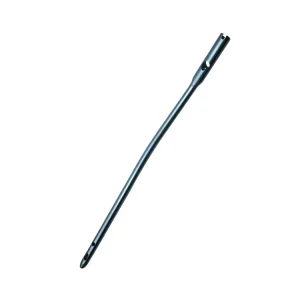
Modern distal targeting devices enable dynamic or static locking choices. This flexibility allows surgeons to adapt to patients' specific fracture patterns, ensuring rotational and axial stability.
Axiora Medical Technology (China) Co., Ltd. - A Trusted Partner in Global Orthopedic Supply Chains
Axiora Medical Technology (China) Co., Ltd. is a professional manufacturer specializing in the research, development, production, and global supply of high-quality orthopedic implants and surgical instruments. Our product portfolio covers trauma fixation systems, spinal implants, joint reconstruction solutions, sports medicine products, and related orthopedic surgical instruments.
Established with a commitment to innovation and precision manufacturing, Axiora integrates advanced CNC machining, automated production lines, and strict quality management systems to deliver reliable products that meet international standards. Our experienced engineering team continuously develops innovative solutions to support surgeons and healthcare providers worldwide.
With strong OEM and ODM capabilities, we provide customized manufacturing services according to customers' drawings, samples, and technical requirements. From product design and prototyping to mass production and packaging, our integrated manufacturing process ensures consistent quality, competitive pricing, and on-time delivery. Today, Axiora exports its orthopedic products to customers across Europe, North America, South America, the Middle East, Southeast Asia, and Africa, building long-term partnerships with medical device distributors, brand owners, hospitals, and healthcare organizations around the world.
| Specification / Item | Details |
|---|---|
| Company Name | Axiora Medical Technology (China) Co., Ltd. |
| Brand | Axiora |
| Website | www.axioraortho.com |
| Established | 2017 |
| Factory Area | 18,600 m² |
| Annual Export Revenue | USD 26 Million |
| Export Experience | 8 Years |
| Industry Experience | 15 Years |
| Quality Inspection | 100% Finished Product Inspection & Incoming Material Inspection |
| Product Inspection Methods | Coordinate Measuring Machine (CMM), Tensile Testing, Hardness Testing, Surface Roughness Inspection, Salt Spray Testing |
| Quality Control Staff | 48 Professionals |
| Business Type | Manufacturer & Exporter (OEM/ODM) |
| Main Markets | Europe, North America, Middle East, Southeast Asia, South America |
| Supply Chain Partners | 1,120 Globally Integrated Partners |
| R&D Capability | Independent Product Development, Reverse Engineering, OEM & ODM Solutions |
| R&D Engineers | 86 Experts |
Step-by-step documentation of our advanced, state-of-the-art orthopedics manufacturing line.
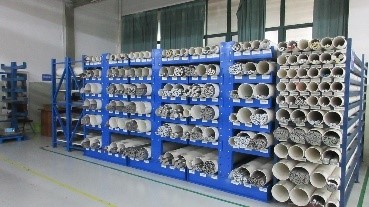
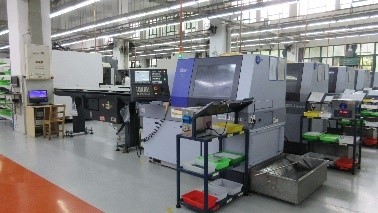
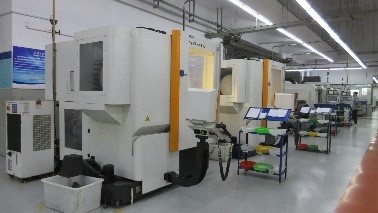
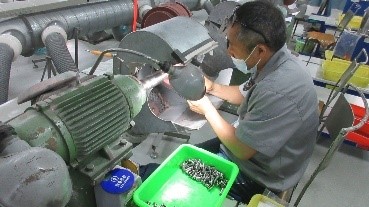
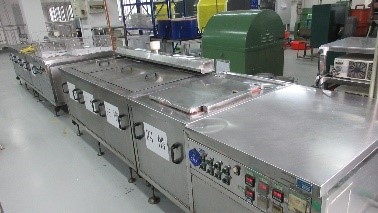
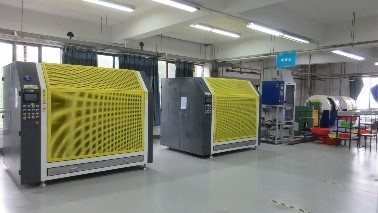
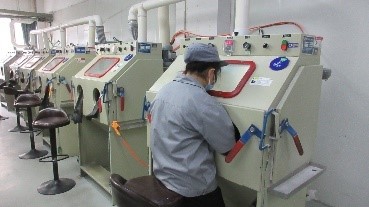
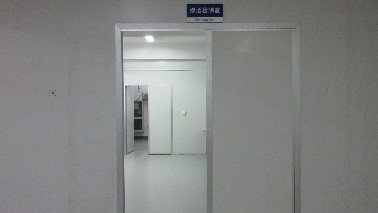
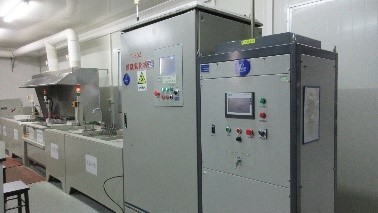
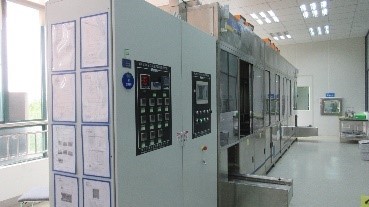
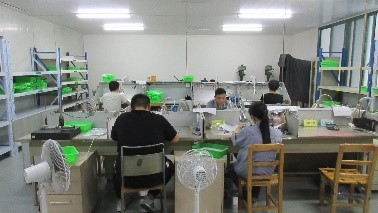
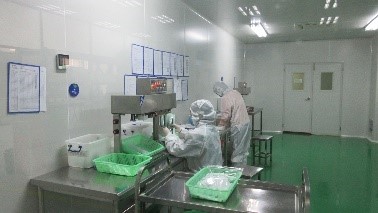
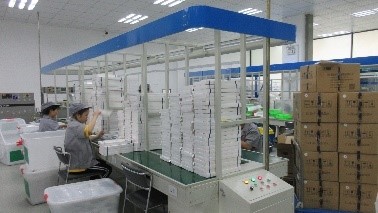
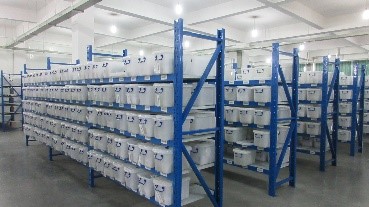
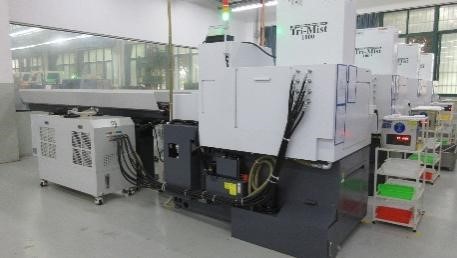
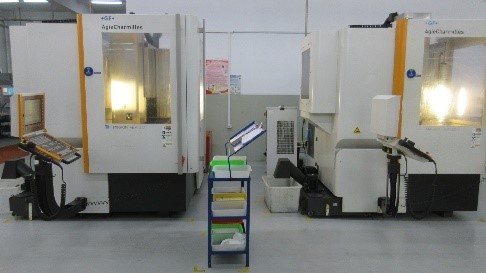
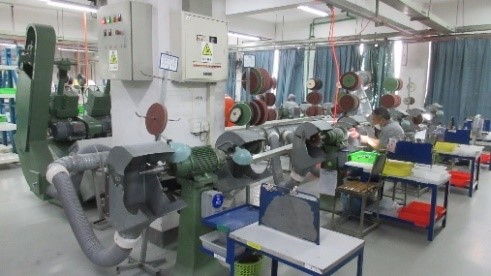
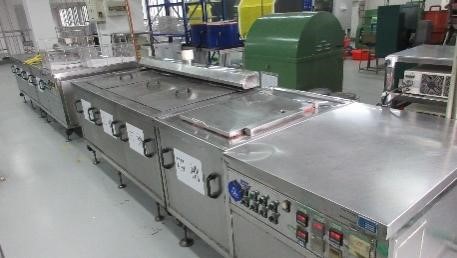
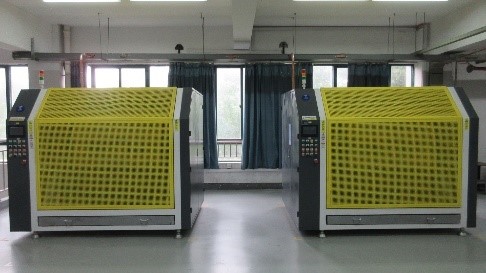
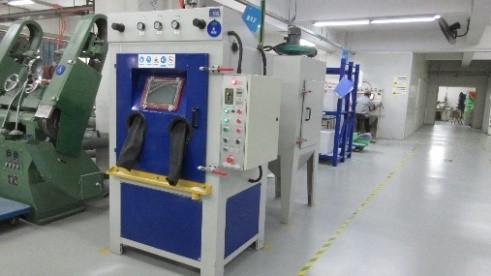
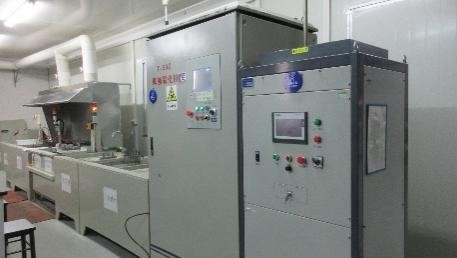
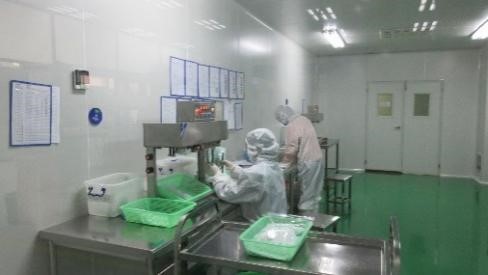
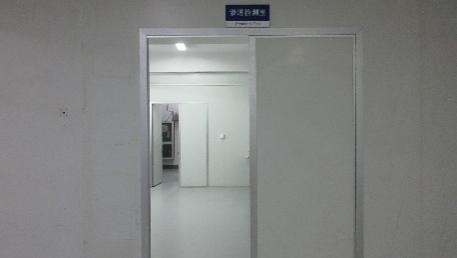
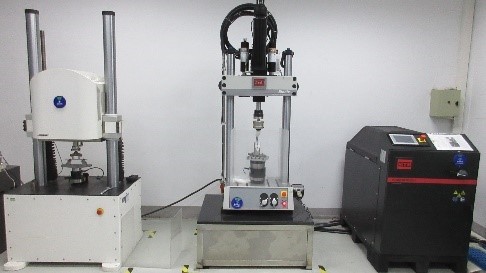
Equipped with high-precision Coordinate Measuring Machines (CMM) and specialized aging testers to guarantee clinical compliance for every batch.
How our intramedullary nails resolve practical surgical challenges in urban hospitals and remote clinics.
Due to crowded roadways and intense transport logistics in Iraq’s major metropolitan regions, emergency rooms regularly receive patients with high-energy fractures. The Geasure Proximal Femoral Antirotation Nail (PFNA) acts as an optimized load-sharing device, enabling surgeons to achieve immediate stable anatomical reduction. The dynamic locking option allows postoperative compression, promoting physiological union even under compromised clinical recovery conditions.
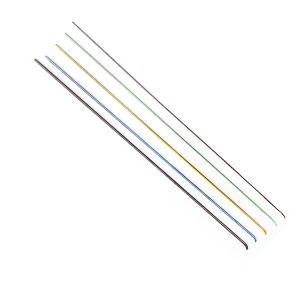
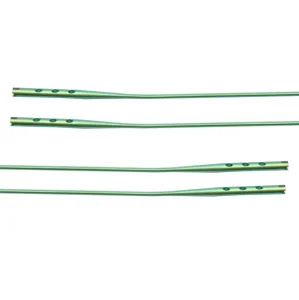
Paediatric long bone trauma requires extreme precision to protect epiphyseal plates and maintain optimal growth potential. Using our Pediatric Spinal Titanium Alloy Intramedullary Elastic Nails or the Orthopedic Elastic Intramedullary Nail Implant for Child Trauma, pediatric orthopedic units can perform minimally invasive internal splinting. This ensures micro-instability while safeguarding peri-implant tissues, reducing recovery times for younger patients.
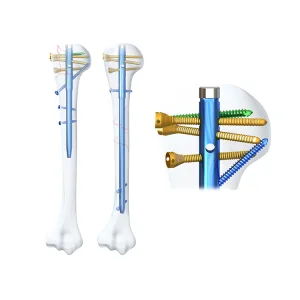
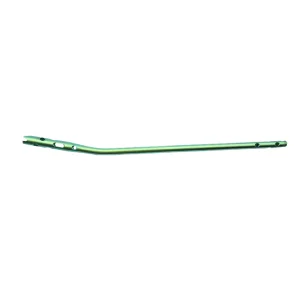
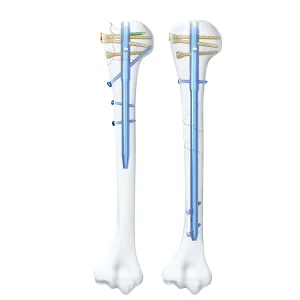
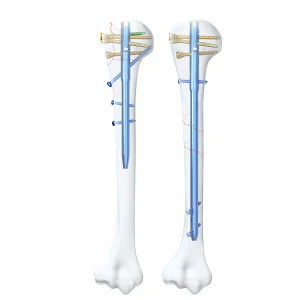
With an aging demographic in stable provincial regions, surgeons frequently handle subtrochanteric fractures in osteoporotic bone. The Geasure Stock Orthopedic Surgical Humeral Nail for Osteoporotic Bone Fixation is specifically engineered to mitigate screw cut-out risks. The multi-angle locking configurations optimize bone purchase, reducing failures in poor-quality cancellous bone.
Request a quote for customized OEM/ODM options, complete technical drawings, or certified regulatory documentation tailored for the Iraqi market.
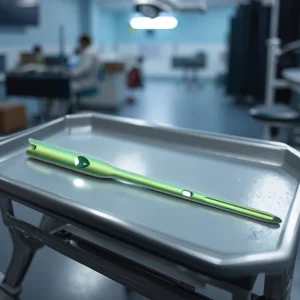
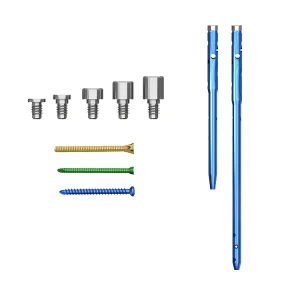
Explore our full line of surgical intramedullary implants, screws, and interlocking nails designed for global trauma systems.
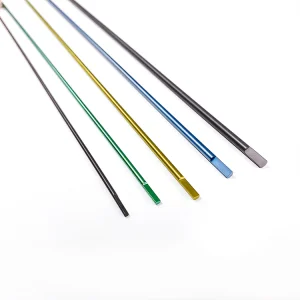
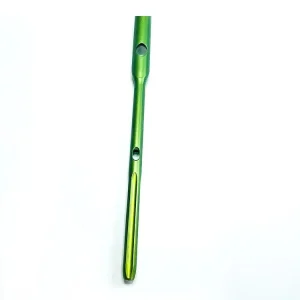
Key insights into procurement, customs clearance, and raw material engineering for Iraqi medical distributors.
Yes. We supply comprehensive regulatory dossiers, including CE certification, ISO 13485:2016 declarations, and certificates of analysis (COA), which are crucial for obtaining import permits from the Iraqi Ministry of Health (MOH) and State Company for Marketing Drugs and Medical Appliances (Kimadia).
We use premium implant-grade Titanium Alloy (Ti-6Al-4V ELI) that complies with international ASTM F136 / ISO 5832-3 standards. This ensures high fatigue life, reliable biocompatibility, and biomechanical elasticity comparable to human cortical bone structures.
Yes, Axiora offers extensive OEM/ODM manufacturing. We customize nail lengths, distal locking configurations, laser markings, and instrumentation kits according to specific tender technical specifications or provided customer drawings.
Standard configurations in stock ship within 7–10 days. Customized orders or high-volume tender shipments typically require 30–45 days for manufacturing, followed by air freight directly to Baghdad (BGW) or sea transport via Umm Qasr Port.
Our products are processed in an ISO Class 8 (Class 100,000) aseptic packaging facility. Multi-stage ultrasonic cleaning and final double-PE packaging protect the implants from particulate contamination prior to hospital sterilization.